
The iconic sake of Miyagi Prefecture that defines July for nihonshu fans: DATE SEVEN.

It was July 7, 2026. I turned on my camera to film a video.
The working title of the video was “The Last Sake I’ll Drink in Fukuoka.”
Since I was scheduled to move to Okinawa on July 11, I wanted to film a video about choosing the sake I would drink before leaving.
Before making my choice, I set a few criteria.
- It had to be delicious.
- It had to be easy to drink.
- It had to be something I could find nearby.
- Ideally, it would be a sake that meant something to me.
With those criteria in mind, I thought about what to choose.
The first sake that came to mind was Nichinichi, brewed in Kyoto.
With an exceptionally low alcohol content of around 11–13%, it has an incredibly smooth style that goes down almost like water.
I had also tried it before after it was recommended by a chef I worked with in Korea, and I remembered how much I loved its subtle fruity flavor.
As it happened, it was available at Sumiyoshi Shuhan near my home, so I headed to the shop.
(It was unbelievably hot.)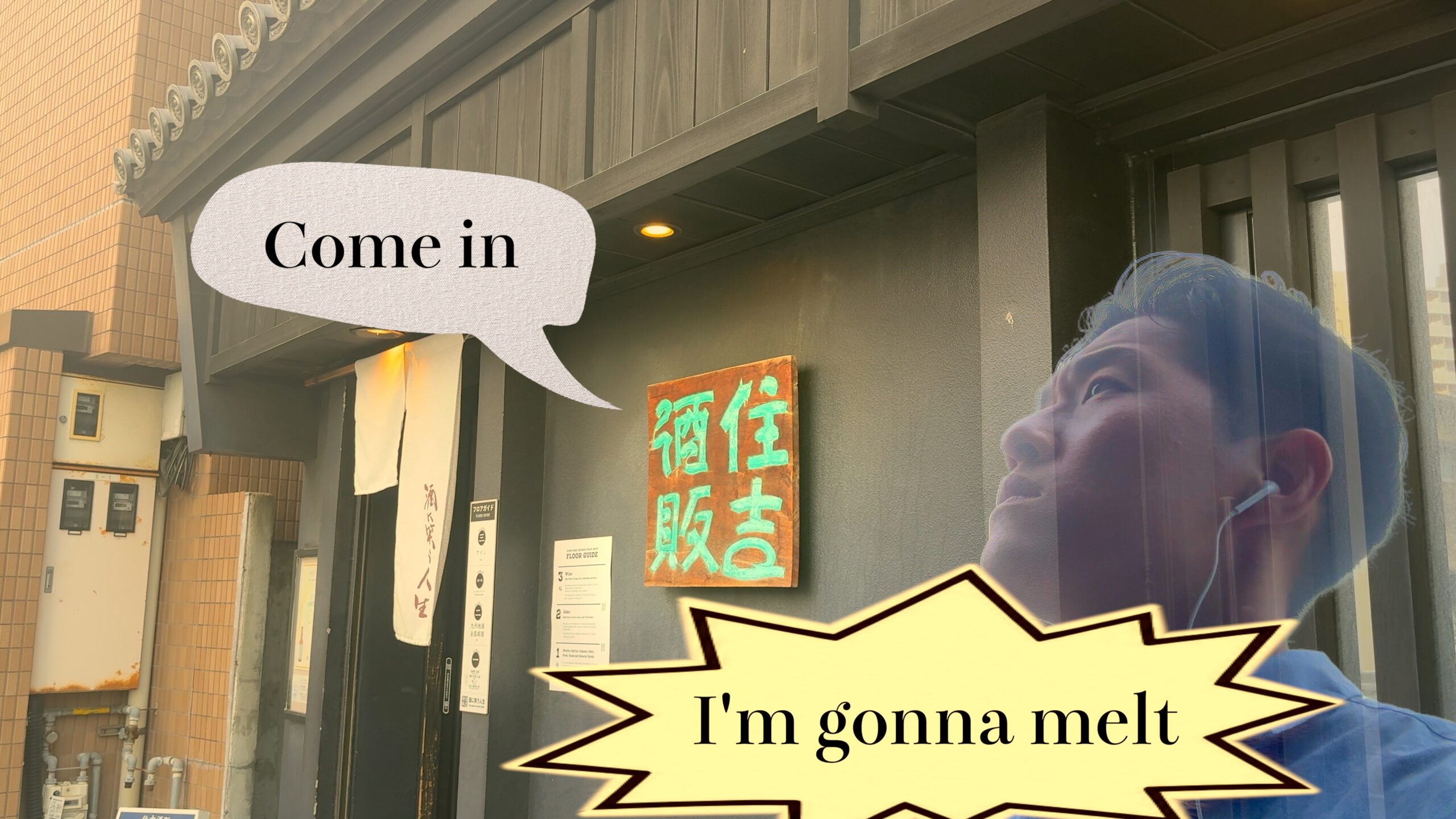
There were several appealing sake candidates that were low in alcohol, easy to drink, and delicious.
They included Nichinichi, which I had originally planned to buy, as well as Mimuro Sugi, Kaze no Mori, Abe, and others.
Nichinichi was even available in its premium “Library Selection” line, so I was debating which one to buy.
If I remember correctly, there were three options: Yamadanishiki, Akitsuho Yamadanishiki, and Library Selection.
(By the way, the Library Selection is a version of Nichinichi that has been aged at a low temperature for one year.)
However, despite all of these outstanding candidates, there was one sake that I picked up the moment I saw it. It was the “DATE SEVEN” that I’ll be introducing today.
It is a sake named after “DATE SEVEN,” a collaborative team formed by seven breweries in Miyagi Prefecture, and is a limited-edition sake released only on Tanabata (July 7).
Today, let’s take a closer look at DATE SEVEN.
History of Date Seven
1. Date seven season 1
In September 2014, Mr. Sato of Hagino Brewery in Miyagi Prefecture suggested, “Why don’t we all share information before we start brewing?” This marked the beginning of the group.
The idea was shared with breweries across Miyagi Prefecture, and seven people agreed with the concept.
They went on to become the members of DATE SEVEN Season 1 (there have been two seasons in total).
The following are the breweries that made up Season 1.
——
Niizawa Brewery (the brewery behind Hakurakusei)
Katsuyama Brewery (the brewery behind Katsuyama)
Kanbai Brewery (the brewery behind Miyakanbai, a sake I personally enjoy)
Hagino Brewery (the brewery behind Haginotsuru)
Yamawa Brewery (the brewery behind Yamawa)
Kawakei Shoten (the brewery behind Koganesawa)
Suminoe Brewery (the brewery behind Suminoe)
——
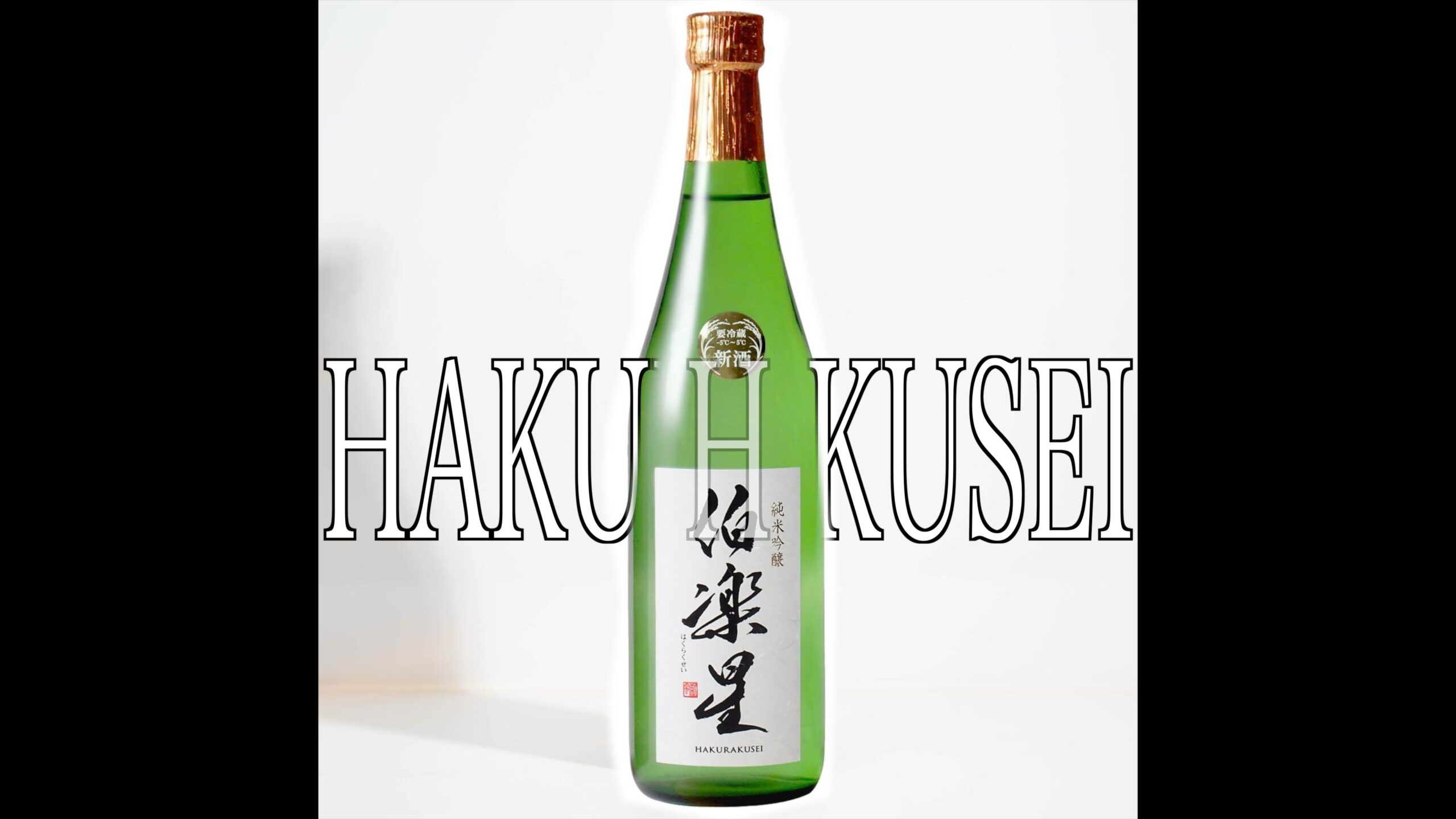
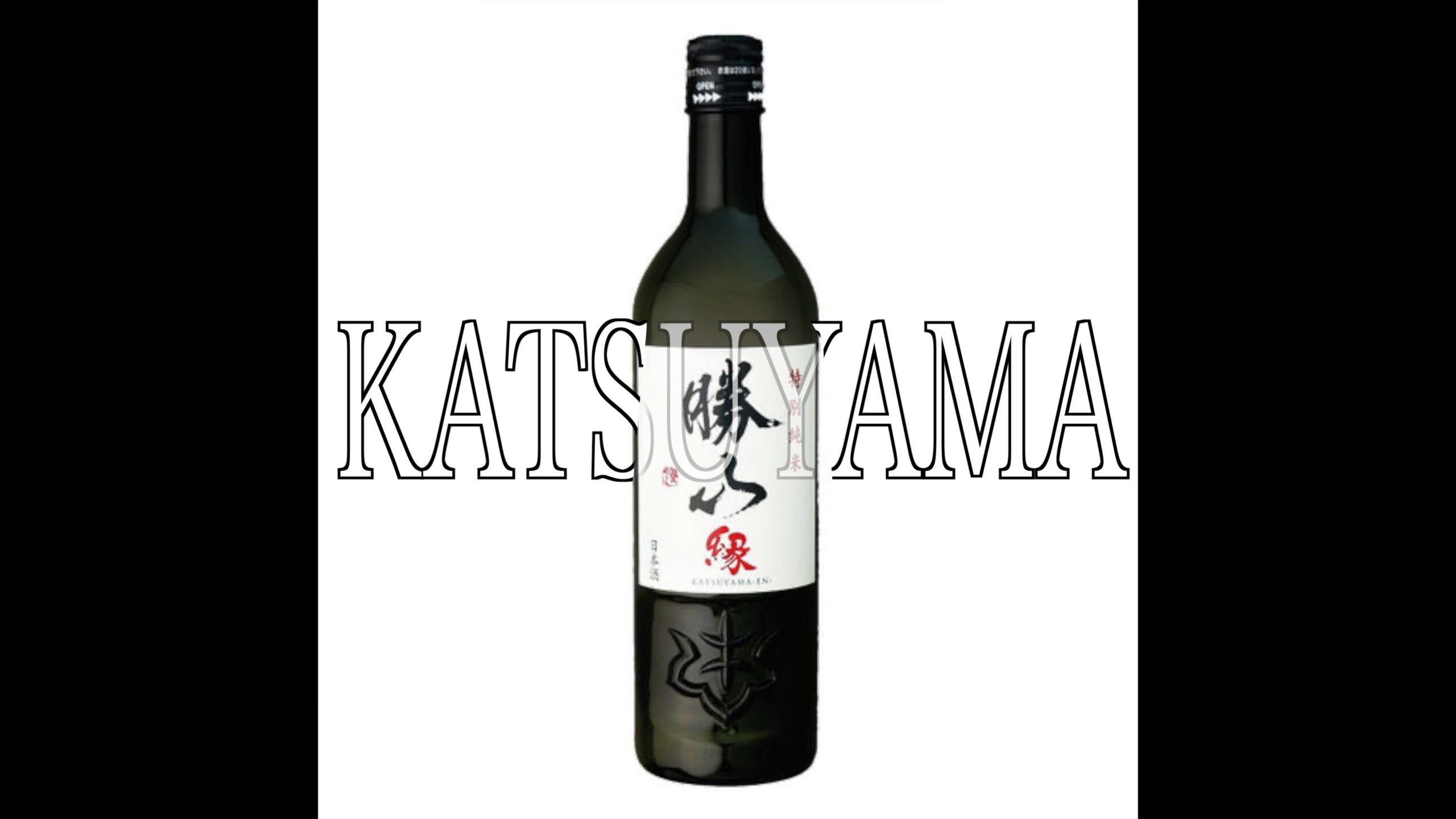
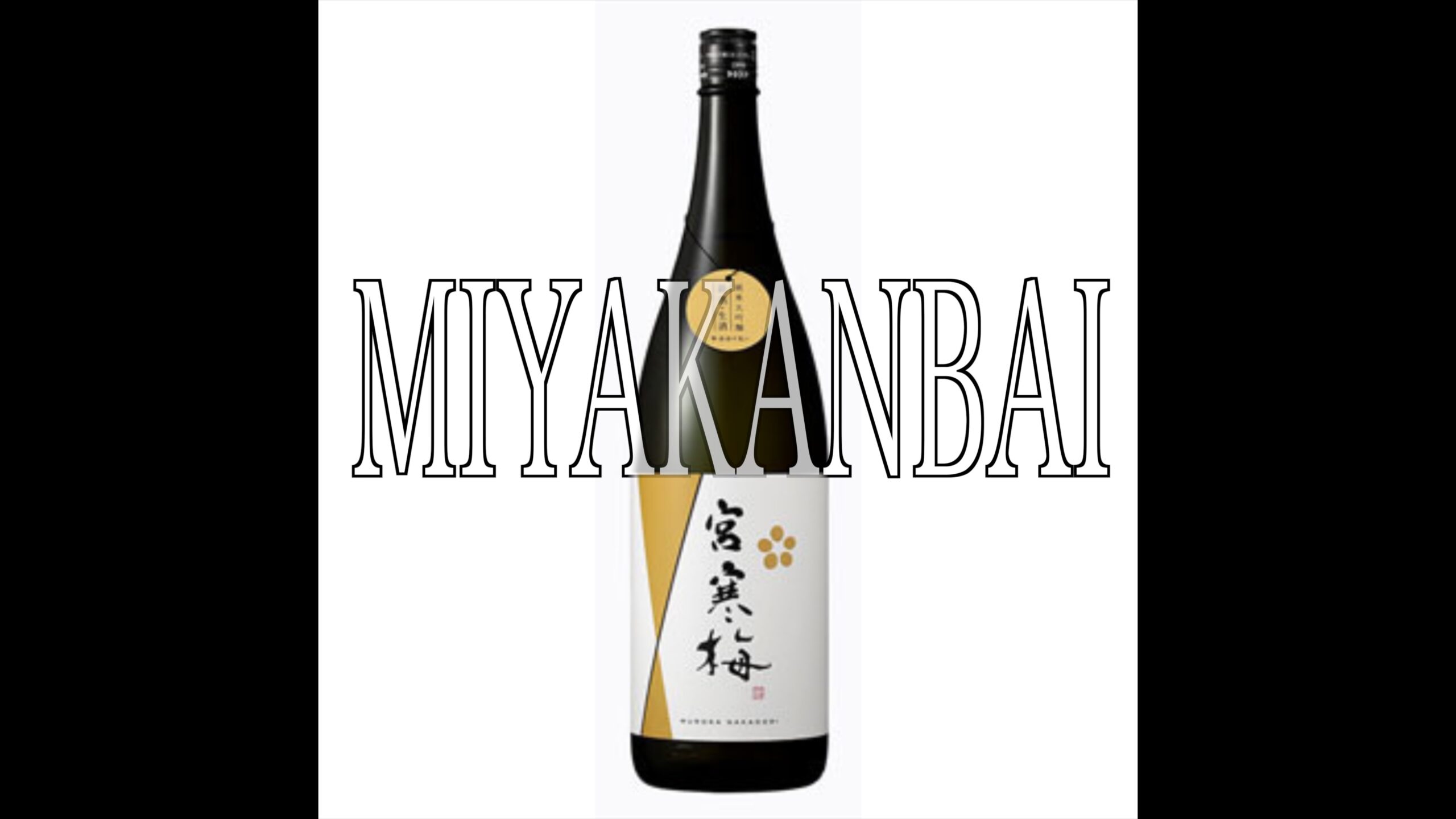
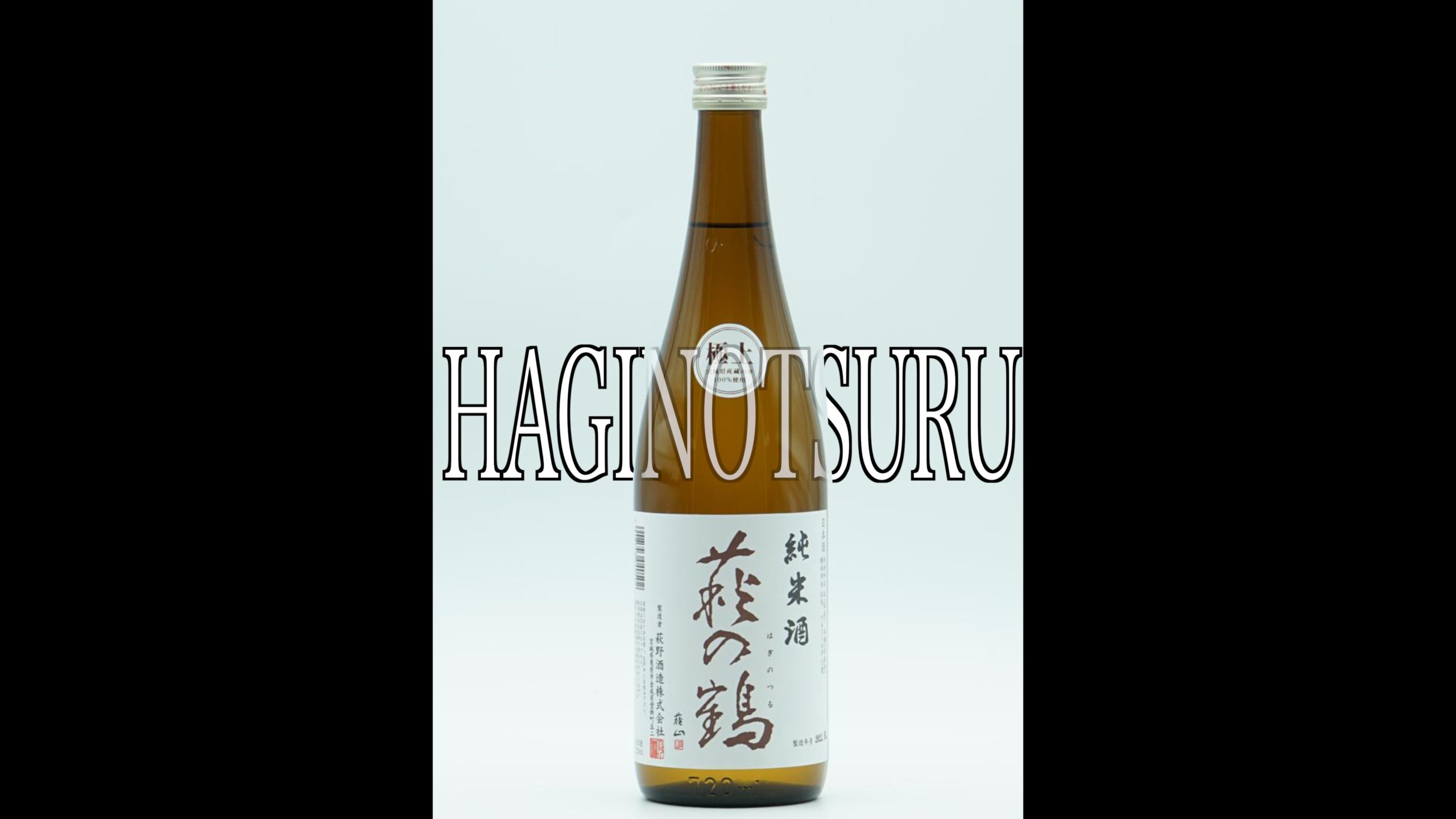
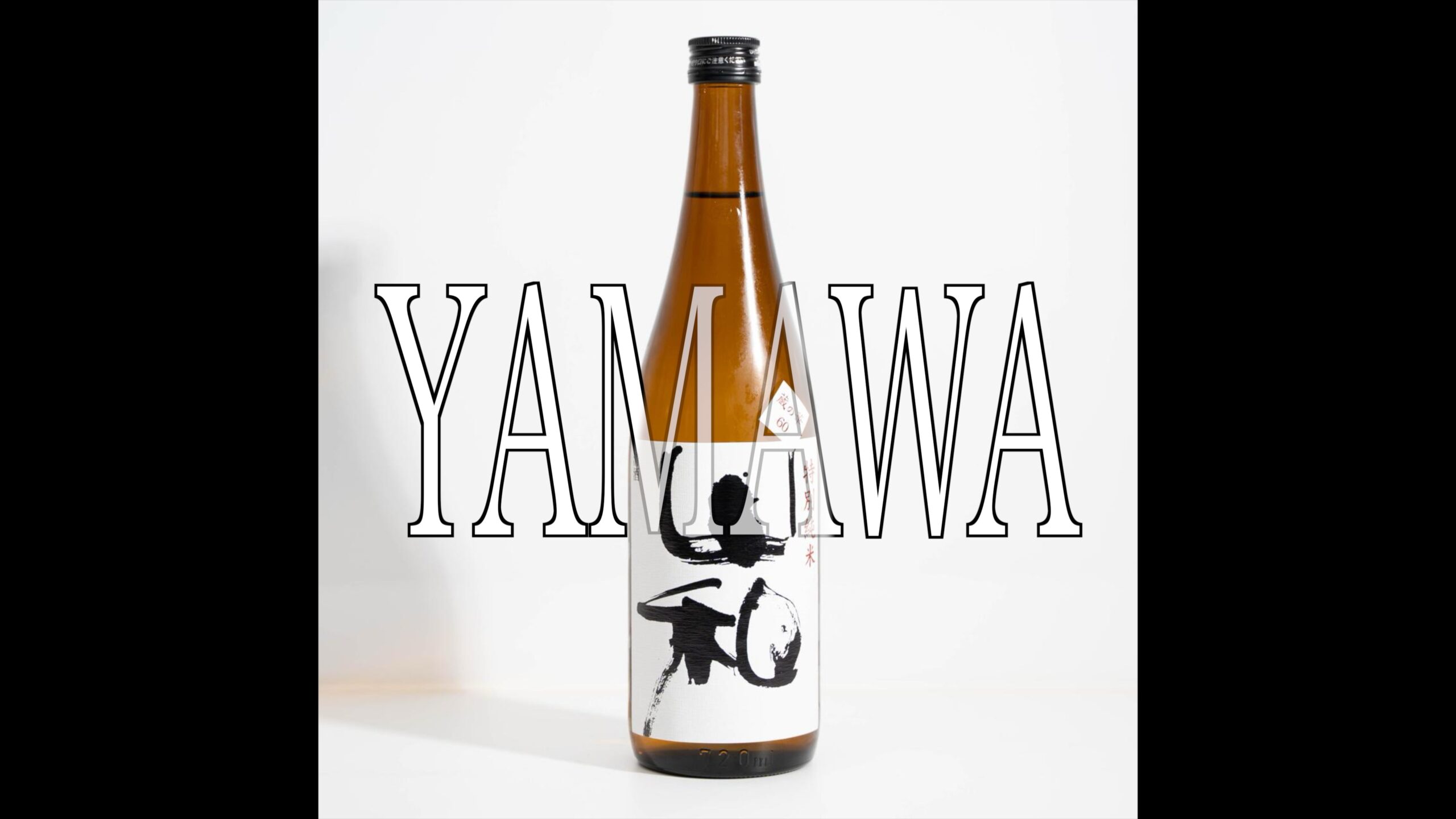
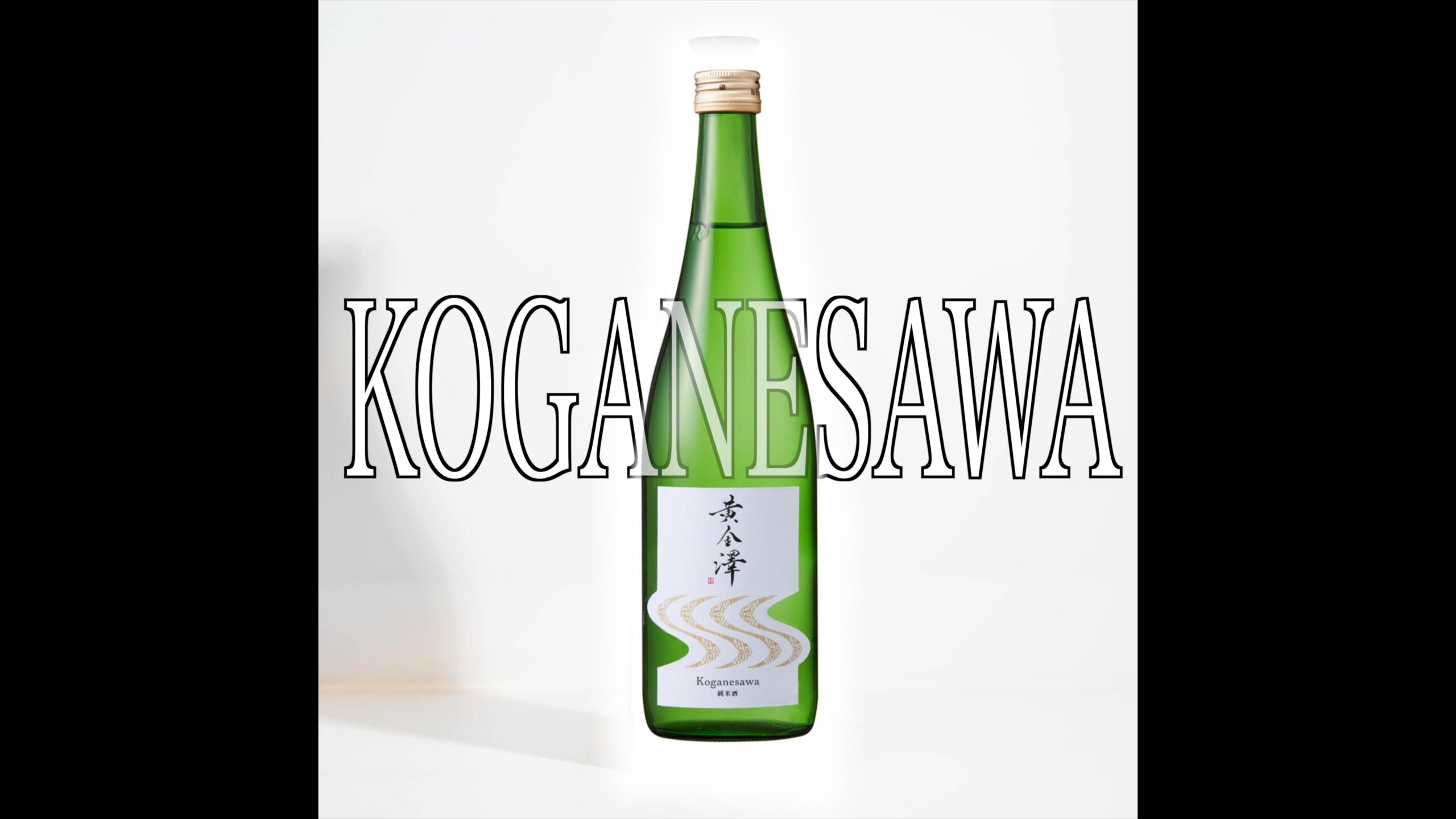
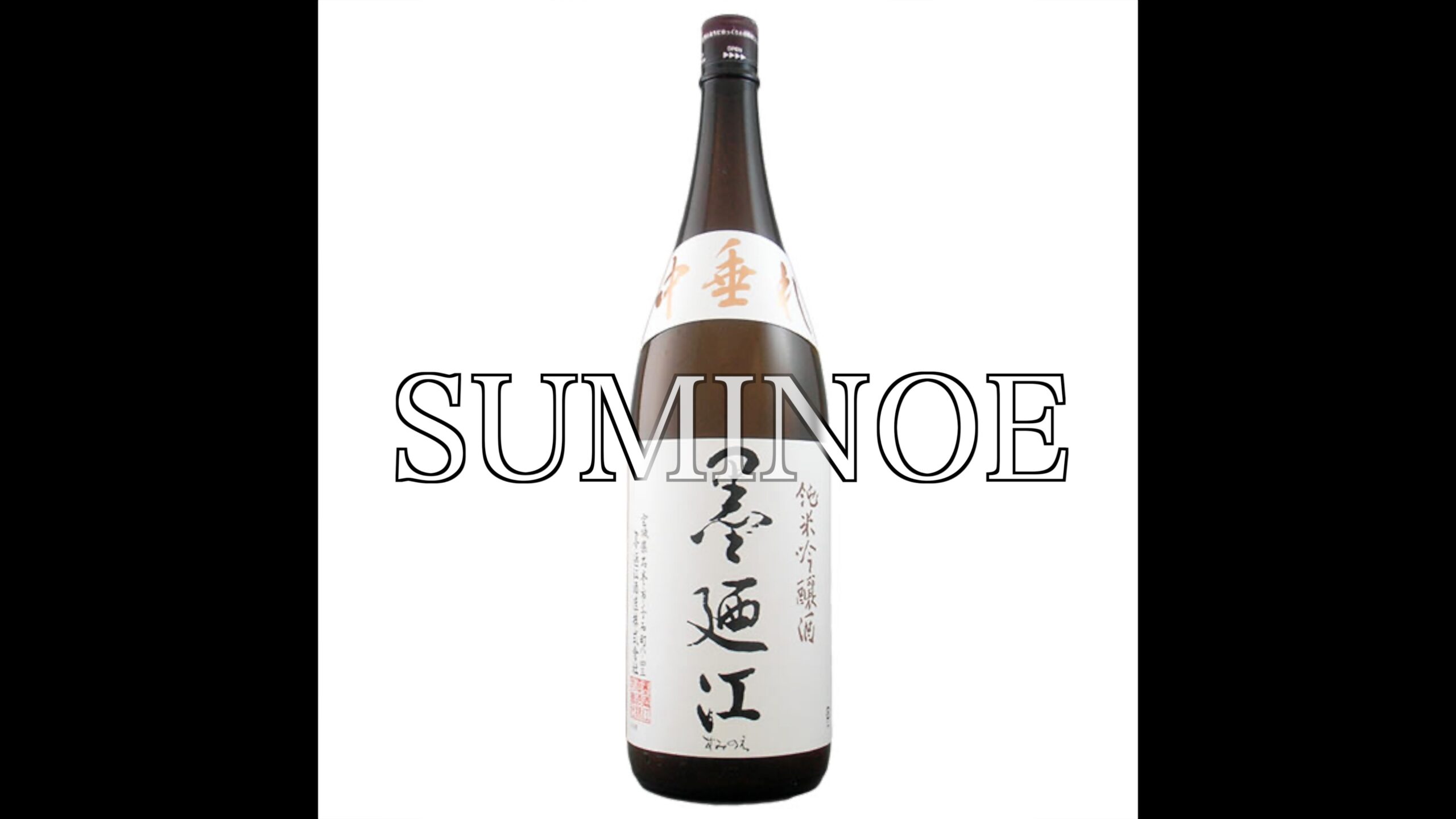
At the time, Akita Prefecture had a group called NEXT 5, in which five breweries came together to produce sake. It had become extremely popular, and the breweries in Miyagi Prefecture thought it would be great to create a sake collective that could represent Miyagi as well.
The following are the breweries that make up NEXT 5.
Aramasa Brewery (the brewery behind Aramasa)
Akita Jozo (the brewery behind Yuki no Bijin)
Yamamoto Brewery (the brewery behind Yamamoto)
Kuribayashi Brewery (the brewery behind Harukasumi)
Fukurokuju Brewery (the brewery behind Ippaku Suisei)
Behind the scenes: Since the idea of multiple breweries collaborating to make a single sake was essentially the same, they decided not to launch it out of the blue. Instead, they first visited NEXT 5 as a kind of formal greeting and said, “Let’s challenge them with our sake this year!”—a friendly challenge rather than a real rivalry.(In reality, they simply brought a small gift and told NEXT 5 that they were going to make sake in a similar way. NEXT 5 even gave them a tour of their breweries, and the whole visit was carried out in a very friendly atmosphere.)
The seven breweries then each took on their own roles and contributed to the brewing of the sake.
——
The roles were assigned as follows.
Leader, rice polishing, raw material processing, koji making, yeast starter (shubo) preparation, moromi (fermentation mash) management, and pressing.
——
Thus, in 2015, the first sake created by the seven breweries, DATE SEVEN, was born. It gradually gained recognition among sake enthusiasts,
and each year a new sake was released under a different theme. (The theme for 2026 is “Challenging the World with All of Miyagi.”)
DATE SEVEN Season 1, which began in 2015, came to a close in 2021 after each brewery had taken a turn serving as the lead brewery.
However, a devoted fan base began calling for an encore, and in response, DATE SEVEN Season 2 was launched in 2022.
There was also a change in the lineup: Kanbai Brewery, one of my personal favorites, left the group, and Urakasumi joined in its place.
2. Date Seven Season 2
The updated lineup of breweries is as follows.
——
Niizawa Brewery (the brewery behind Hakurakusei)
Katsuyama Brewery (the brewery behind Katsuyama)
Saura Co., Ltd. (the brewery behind Urakasumi)
Hagino Brewery (the brewery behind Haginotsuru)
Yamawa Brewery (the brewery behind Yamawa)
Kawakei Shoten (the brewery behind Koganesawa)
Suminoe Brewery (the brewery behind Suminoe)
——
Starting with Season 2, DATE SEVEN adopted a more entertaining format by selecting two lead breweries each year and releasing two different sakes.
One of the great pleasures of sake is comparing different bottles side by side, and this new format has made DATE SEVEN even more enjoyable to experience.
Both breweries use the same rice, yeast, alcohol content, and rice polishing ratio. However, each brewery’s own brewing techniques, temperature control, management of the fermenting mash (moromi), fermentation process, and bottling methods are different.
In other words, the only variables come from the breweries’ own techniques, and that’s what makes DATE SEVEN Season 2 so fascinating.
I think it’s one of the best lineups for anyone who has become interested in sake and wants to learn more by tasting and comparing.
3. What is DATE SEVEN like in 2026?
This year, Yamawa Brewery and Kawakei Shoten served as the lead breweries, resulting in the release of two different sakes. The one I bought was the sake produced by Yamawa Brewery.
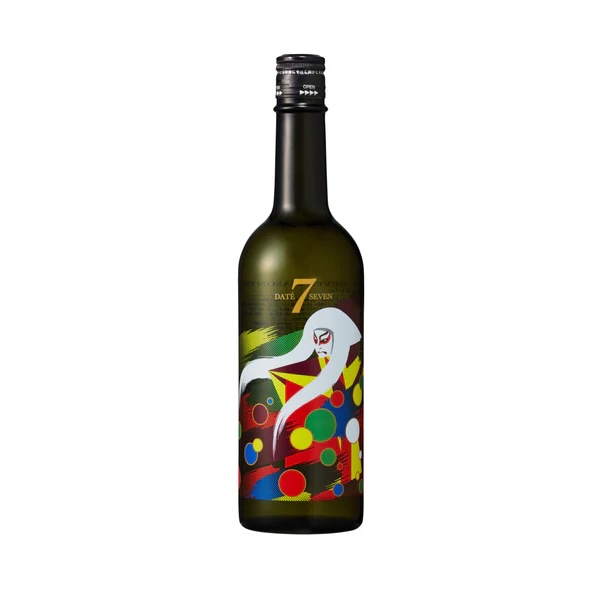
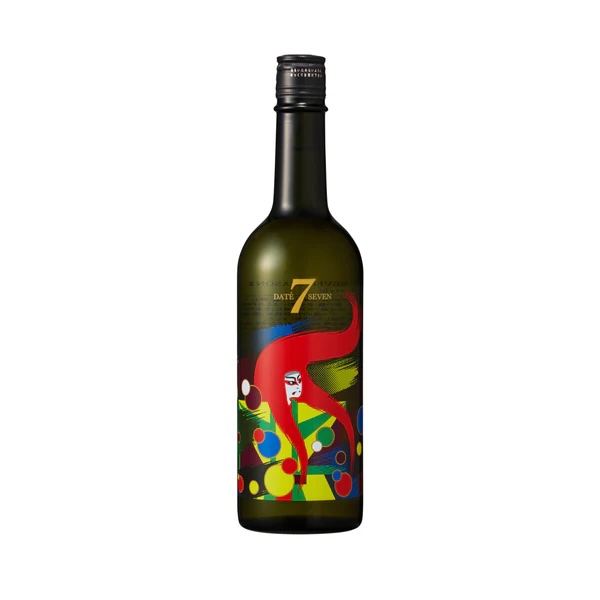
The Yamawa Style is similar to Nichinichi Yamadanishiki, offering an exceptionally smooth texture that goes down almost like water, with a subtle hint of melon on the nose.
I haven’t had the chance to try the Koganesawa Style, but I’ve heard that it is built around aromas and flavors of apple, along with notes of melon. Compared to the Yamawa Style, it has a richer flavor profile, making it a good match for heavier or more strongly seasoned dishes.
Its alcohol content is 15%. Since this year’s theme is “Introducing Miyagi to the world using only ingredients from Miyagi Prefecture,” two types of rice were used.
One is Gin no Iroha, a rice variety developed in Miyagi Prefecture, which is used for making koji. (It accounts for about 20–25% of the total rice used.)
The kakemai (the main rice used for brewing sake) is also a Miyagi-developed variety called Kura no Hana.
The yeast is from Miyagi Prefecture as well.
In any case, one thing is certain: both are the kind of sake I love—sake that I can happily keep drinking even without any food.
4. What does the "DATE" in DATE SEVEN mean?
As mentioned in my article about Urakasumi Brewery, “Date” was the name of the powerful clan that once ruled what is now Miyagi Prefecture.
Because the Date clan placed great importance on Shinto shrines, they invested heavily in the sake offered to the shrines, making a significant contribution to the development of sake brewing techniques in Miyagi Prefecture.
Conclusion (My Personal Thoughts)
Thank you to everyone around the world who loves Nihonshu and has visited Sakagura Miyamoto. Sakagura Miyamoto was created to make Nihonshu more than just a drink with good taste and aroma — but something that lives in your memories. For those who want to turn Nihonshu from a simple alcoholic beverage into a medium that brings back moments and stories, and for those who want to describe Nihonshu in a deeper, more dimensional way, we invite you to join the Sakagura Miyamoto membership. The content below is for members only. Thank you.