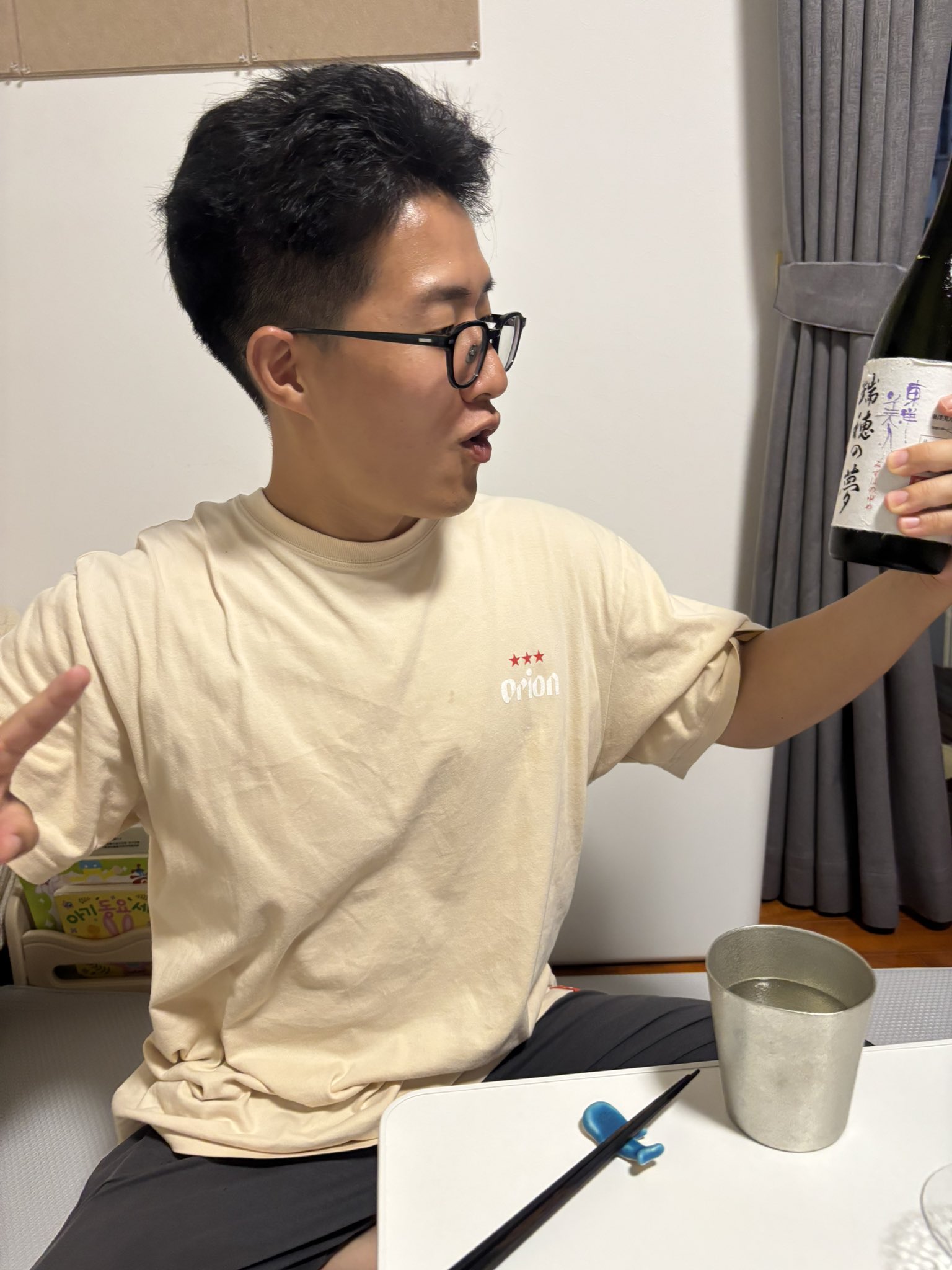
A masterpiece born from the burning passion that burned away 10kg and meticulous design. Toyobijin (東洋美人)
Recently, I bought four bottles of sake.
Murayu from Niigata Prefecture
Miyakanbai from Miyagi Prefecture
Toyobijin from Yamaguchi Prefecture
Kankiku from Chiba Prefecture
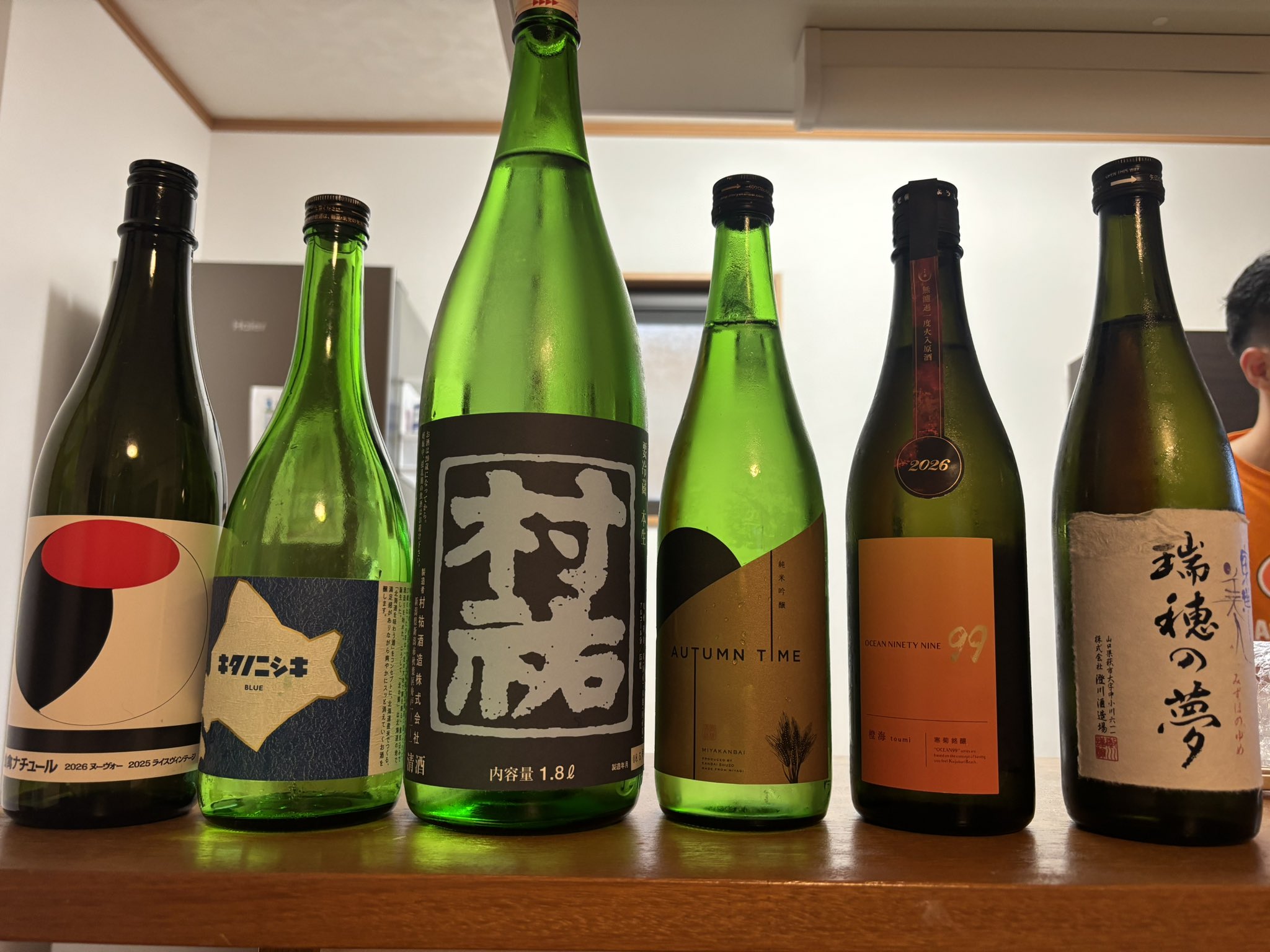
All four were the kind of sake I love—sake that goes down smoothly without needing any food to go with it.
Well, Murayu is the kind of sake whose charm really explodes when you pair it with food.
Today, I’m going to talk about the brewery that makes the sake I enjoyed the most out of these four bottles.
A sake with a rich grape aroma and an incredible umami that rises gently and smoothly.
That sake is called Toyobijin. And among the Toyobijin lineup, Mizuho no Yume (瑞穂の夢), made by polishing rice that was originally developed for sushi down to 35%, became the reason I decided to write today’s article.
So, from here, let’s take a look at Sumikawa Shuzo, the brewery in Yamaguchi Prefecture that makes Toyobijin.
History
1. Toyobijin’s Long History—and the Spirit of Pure Love
In 1921, Sumikawa Shuzo was founded in Hagi City, located in the northern part of Yamaguchi Prefecture—a place that is quite difficult to reach without a car.
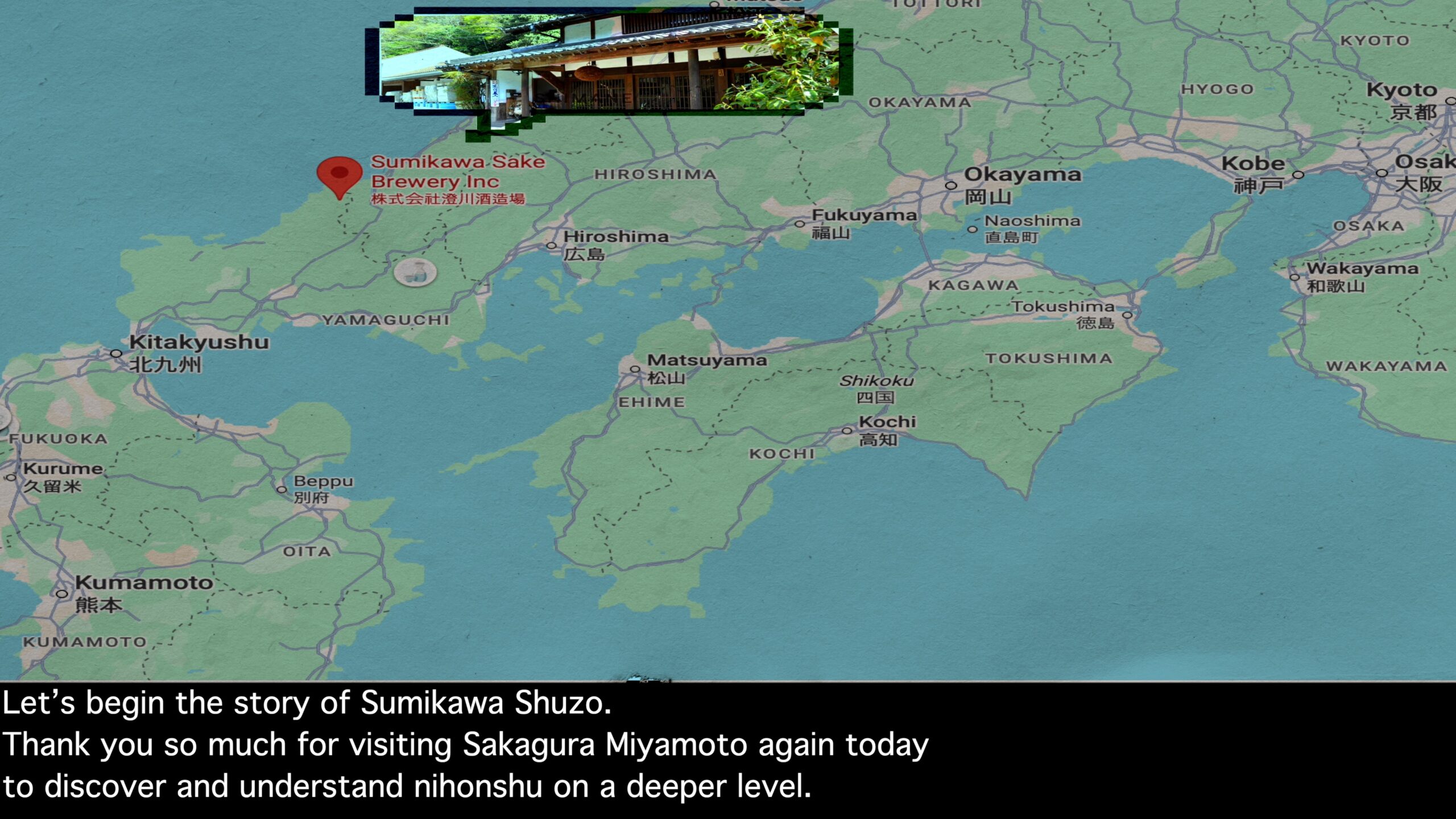
Toyobijin was the first label released when the brewery was founded, and its history has continued for more than 100 years.
There is something especially meaningful about a label with over a century of history producing a trendy style of sake in the current flow of the Japanese sake market—what we might call “modern sake” or “umakuchi”—and even captivating fans overseas.
Many classic sake brands have continued their legacy for 100 years, and some for 200 or even more than 300 years. But among them, it is not easy to find a sake that occupies the position of being easy to drink.
(For example, Hakutsuru, Kenbishi, and Gekkeikan are classic-style sake brands with long histories.)
That is because many of the sake brands that are recognized globally today were newly created around the 1970s at the earliest.
Toyobijin has a long history, yet it has followed a different path from many other old labels. And because of that, we can feel something in the meaning behind the name itself.
And that something is the spirit of pure love…
The name Toyobijin is said to have originated when the first kuramoto named the sake “Toyobijin,” meaning “a beautiful woman of the East,” as a tribute to his late wife.
A label carrying such an incredible power of pure love, don’t you think…? I certainly do. 🥰
However! Apparently, it wasn’t a sake that strongly supported the brewery from the very beginning.
It was a sake sold only within the local area, and sales were not particularly high. The current kuramoto and toji, Takafumi Sumikawa, says that he often saw his father going out to make sales from early in the morning until late at night, or making deliveries himself.
Toyobijin, carrying the spirit of pure love, began to shine toward the wider world after the current kuramoto and toji, the fourth-generation kuramoto Takafumi Sumikawa, joined the brewery.
2. The Rise of Toyobijin (1) — Fourth-Generation Kuramoto and Toji: Takafumi Sumikawa Takes Over
In 1998, Takafumi Sumikawa graduated from Tokyo University of Agriculture and returned to the family brewery.
Before that, however, there was a short but intense period that changed Sumikawa’s entire perspective on sake. It began when he met Tatsugoro Takagi of Takagi Shuzo during an off-campus practical training program at the university.
Today, it is fairly common for a kuramoto to also serve as the toji—the person ultimately responsible for the sake-making process. But in the early 2000s, the roles of kuramoto and toji were completely separate, and the toji held enormous authority when it came to brewing.
However, Tatsugoro Takagi, who had successfully established Juyondai from its very beginning, completely changed that paradigm through his role as both kuramoto and toji.
Under Takagi, Sumikawa learned how to make sake, and was deeply influenced by his attitude toward brewing, the way he approached his work, and the direction of flavor he believed sake should pursue.
After learning about sake brewing at Takagi Shuzo for less than a month, Sumikawa returned to his family brewery and asked the toji, who had been considering retirement, to postpone his retirement for one more year.
During that year, the veteran toji and Sumikawa worked together at the brewery day and night. They learned, experimented, applied what they had learned, and went through countless trials and errors.
There were times when all Sumikawa could say was “Yes!” But having been a member of a sports club during his school years, he was already accustomed to a strict hierarchy. He spent that one year in a tight, intensely concentrated environment, learning the techniques of sake brewing directly from the toji.
Then, in 1999, the toji retired as planned.
Now, Sumikawa was left with the most difficult task of all: as both kuramoto and toji, he had to carry on the brewery his ancestors had maintained for more than 100 years—and successfully send its only sake label, Toyobijin, out into the world.
The hardest part was just beginning.
When he brewed sake for the first time, he reportedly lost around 10 kg in weight.

And so, Takafumi Sumikawa’s first Toyobijin was released into the world.
To introduce his sake to liquor stores, Sumikawa chartered an overnight bus, loaded it with his sake, and headed for Tokyo.
3. The Rise of Toyobijin (2) — Fourth-Generation Kuramoto and Toji: Takafumi Sumikawa’s Challenge
he first place Sumikawa headed was Hasegawa Saketen, a sacred place for sake known for hosting the Sake Competition.
He also visited various other liquor stores, beginning his first sales campaign to secure business relationships and introduce Toyobijin across Japan—and eventually to the rest of the world.
After finishing his sales rounds, he returned to Yamaguchi Prefecture. But apparently, not a single place ever got back to him.
His first creation wasn’t loved by everyone. But we already know how this sake’s story would eventually turn out.
Rather than becoming discouraged, Sumikawa continued to refine his senses and sharpen his brewing skills.
And within just a few years, Toyobijin gradually began to earn recognition from more and more liquor stores, steadily building its reputation among sake fans as well.
(The first Toyobijin was apparently quite different from the one we know today, with a strong alcohol aroma that rose prominently from the glass.
It was completely different from today’s Toyobijin, which is smooth on the palate and centered around layers of umami and fruity aromas. Through its flavor, we can taste the effort Sumikawa put into transforming the sake and bringing it to where it is today.)
At the age of 25, Sumikawa also traveled around famous restaurants in Ginza with Mr. Todoroki of Todoroki Saketen, a well-known specialty liquor store in Fukuoka, studying how food and sake worked together while training his palate.
*I included this story because I thought it was pretty cool that the owner of a liquor store I often visited when I lived in Fukuoka happened to appear in the story.
4. The Rise of Toyobijin (3) — The Miracle That Happened with the Heavy Rains in Yamaguchi in 2013
In 2013, just as Toyobijin was building recognition across Japan, starting from Tokyo, heavy rains struck Yamaguchi Prefecture.

The heavy rain reached all the way into the brewery, flooding various facilities in an instant and leaving them unusable.
When Sumikawa, who was in Singapore at the time, heard the news, he immediately returned to Japan. But even getting to the brewery was not easy, as landslides had paralyzed transportation along the way.
What he finally returned to was a brewery covered in mud, along with sake that had been in the middle of brewing and machinery that could no longer be used.
Toyobijin had been growing rapidly at the time, so the sudden and devastating damage inevitably brought a massive financial blow.
But perhaps the world refused to betray the passion Sumikawa had poured into sake all these years.
Every day, 30 to 40 volunteers from liquor stores and breweries across Japan took turns coming to help with the recovery. With the support of more than 1,500 people, the brewery was able to stand on its feet again.
Although the rebuilding process meant purchasing new equipment and taking on ¥500 million in debt to rebuild and expand the brewery, Toyobijin continued to thrive.
After all, Sumikawa had an intense passion for sake brewing, and the sake he aspired to create was Juyondai, considered one of the finest sake brands of the time. Even with ¥500 million in debt on his shoulders, Toyobijin continued its remarkable rise.
Sumikawa’s Brewing Style
Quantification
Sumikawa is the kind of brewer who focuses more on numbers than intuition.
He says that what you need for sake brewing is physics, chemistry, and biology.
Rather than relying on intuition, he draws on academic disciplines that belong more to the realm of logic.
Quantifying as much as possible in the brewing process and reducing variables as much as possible.
That is what Sumikawa considers important in his approach to brewing.
Rice
Sumikawa describes nihonshu as “water that has passed through rice.”
That is why his nihonshu carries the different umami characteristics that each type of rice possesses.
Maybe that is why the umami in the “Toyobijin Mizuho no Yume” I drank this time was so outstanding.
Rather than explaining it, the fastest way is simply to taste it yourself.
So if you happen to find a bottle, I highly recommend that you buy it and give it a try!
One and Only: Sakagura Miyamoto’s Top Pick!?!?
Out of all the labels in the Toyobijin lineup, if I had to pick just one bottle to recommend, I would overwhelmingly choose the “Mizuho no Yume” I drank this time.
I’ve had bottles of the most basic “Jundo Ichizu,” which really shows Sumikawa’s philosophy toward sake, as well as “Zipangu” and several other labels.
At izakayas, I’ve also tried collaboration Toyobijin releases and limited editions by the glass. But when it comes to accessibility and price, the one that stood out the most was Mizuho no Yume.
Of course, the taste itself was a big factor, but I also gave it major bonus points for using rice originally developed for sushi to brew a sake with such a distinctive character.