A sake brewed by a brewery owner and master brewer who breaks through the obstacles he faces. Nifudazake (荷札酒).
Niigata Prefecture is undeniably one of the places that comes to mind when people think of nihonshu. It is known for tanrei karakuchi (淡麗辛口): a gentle dry style that is easy to drink and especially well suited to pairing with food.
When I had only recently started drinking nihonshu, the sake from Niigata that I tried was Kubota Senju. Back then, I had no idea what tanrei karakuchi would taste like just from hearing the words. Kubota Senju showed me what it meant more intuitively and accurately than anything else, and it taught me what Niigata sake was like.
Then, one day, some time later, a coworker recommended Nifudazake to me. They said it was one of the Niigata sakes gaining considerable popularity, one of the sakes on the rise.
Out of touch with trends in nihonshu, I immediately thought of the taste of Kubota Senju when I heard it was from Niigata. But I soon had to overturn that thought, along with my whole idea of what Niigata sake was like.
Nifudazake was far from tanrei karakuchi. And the brewery owner who also served as its master brewer was a young toji with a burning passion, still pouring his youth into his sake even now, in 2026.
Yes. The nihonshu we’re looking at today is Nifudazake (荷札酒), made in Niigata Prefecture, and the brewery behind it, Kamonishiki Brewery (加茂錦酒造).
History
1. From the brewery’s founding to the birth of Nifudazake
Kamonishiki Brewery was founded in 1893 in Kamo City, Niigata Prefecture.
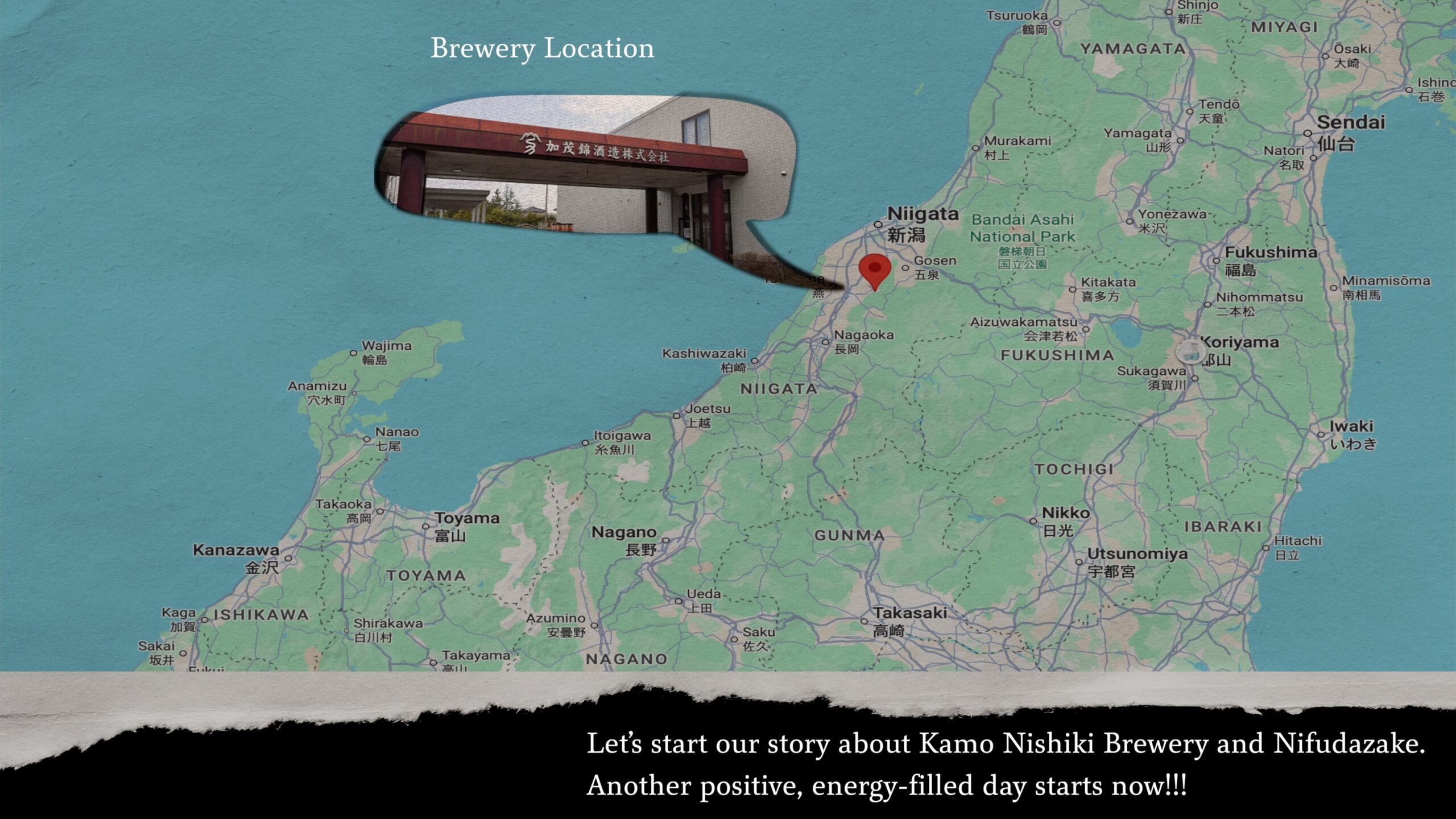
In fact, Kamonishiki did not begin as a family business founded by the Tanaka family, who run the brewery today. It began as a relative’s family business.
Despite a history of more than 100 years, the brewery ran into financial difficulties in 2007, and the owner at the time handed it over to his relative, Yasuhisa Tanaka.
The person who took over the brewery was the father of Yuichi Tanaka, the man who would create Nifudazake and the main figure in today’s story.
But there was a problem: neither Yuichi nor his father, Yasuhisa, had originally enjoyed drinking nihonshu.
If someone who couldn’t drink coffee opened a café, no one would expect it to last long. In the same way, someone who dislikes nihonshu cannot make a sake that draws people in, or build a brewery that continues making it for years.
Perhaps Yasuhisa knew this.
After entering the sake industry, he began tasting different kinds of nihonshu every night, hoping to develop the palate to recognize good nihonshu and to make delicious nihonshu himself.
His son Yuichi, the main figure in today’s story, was also made to join these nightly tastings.
In interviews from 2018 and 2026, Yuichi recalled those tastings as quite painful. (But the experience he gained from tasting so many different sakes would later become an important foundation for Nifudazake’s successful debut.)
At the time, the brewery had no toji, so Yasuhisa developed his brewing skills through firsthand experience. Along the way, he decided that new techniques or equipment could reduce the labor and time required for parts of the process, and suggested that Yuichi build a new koji bed(Koji-doko).
Both father and son had studied science or engineering at university. So instead of buying commercial equipment that cost several million yen, they began drawing up their own plans, buying materials, and building it themselves. This marked the start of Yuichi’s direct involvement in the brewery’s work.
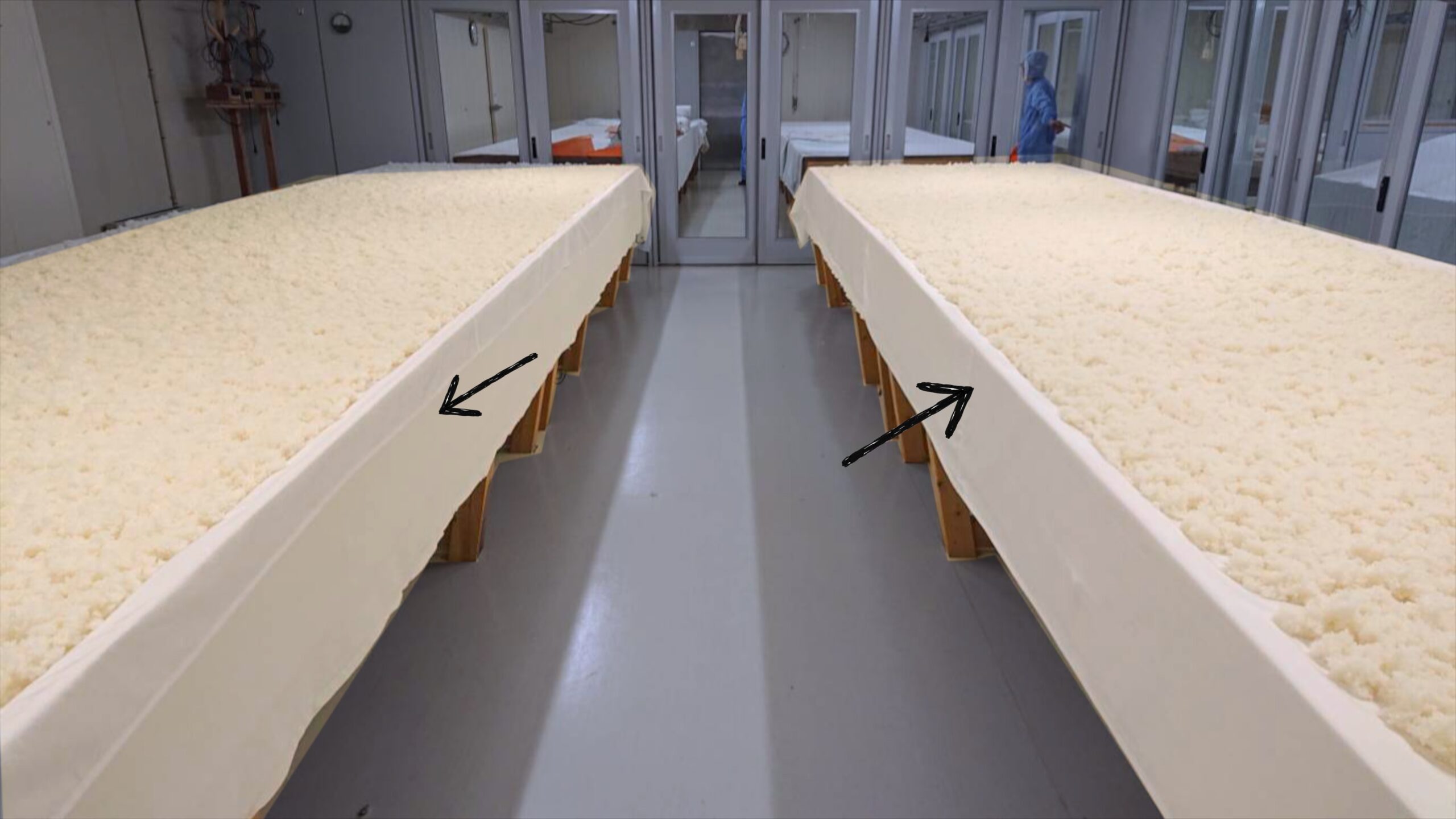
(They also made it possible to adjust the temperature and humidity needed while growing the koji from a smartphone, and used an IC chip to handle the draining required after washing the rice.)
Father and son tackled things firsthand. Whenever they hit a wall, they worked out how to break through it and kept going.
Even when another wall stood beyond the one they had struggled to overcome, they did what they had done before: worked out how to get past an even bigger wall.
All while tasting nihonshu night after night.
2. The birth of Nifudazake — the impact of Juyondai and Dassai
Through the events described above and the nightly nihonshu tastings, Yuichi found himself becoming more and more drawn to nihonshu.
Along the way, he encountered Dassai and Juyondai. Those two sakes led him to throw himself fully into the world of nihonshu.
When he tasted Dassai, its flavor and level of craftsmanship amazed him. It helped him understand why it had become the most famous nihonshu in the world. Juyondai shocked him in every respect, from its umami and aroma to its flavor. From then on, he came to admire Takagi Brewery, which makes Juyondai, and looked to it as a model.
At the time, he was studying information engineering at Niigata University. Perhaps his passion for brewing burned hotter than his desire to stay at a good university. In the end, Yuichi told his parents that he would leave university and work in sake brewing.
Parents opposing their child’s decision: it is a familiar scene in shōnen manga. From a parent’s point of view, it makes sense to object when a child leaves a stable path for a difficult one. But overcoming that opposition is another familiar part of the story.
His father, Yasuhisa, gave Yuichi an assignment: get his own sake onto the shelves at Hasegawa Saketen within a year.
Hasegawa Saketen is one of Japan’s best-known sake retailers, with shops in central Tokyo, including Omotesando. Getting a sake he had made for the first time into a shop like that was clearly no easy assignment. Especially within a year.
A year was a short time, but we should remember that Yuichi was the kind of person who, when faced with a wall, searched for a way over it.
With no toji at the brewery and no teacher to show him how to brew, he read magazines, books, interviews, and other material that might help him, then tried what he learned for himself.
He studied the graphs and figures shown in videos, tried applying them, and made adjustments.
He studied footage of Dassai frame by frame to learn about its brewing methods, and repeatedly watched a documentary about Takagi Brewery to pick up brewing techniques.
With a few bottles of the first Nifudazake he had made, he headed for Hasegawa Saketen in Tokyo.

He feared that if he showed up unannounced, he might not even get a chance to speak to anyone. Fortunately, he had an opportunity to talk with someone at the shop and made a determined pitch for his sake. Later, word came from the shop: they would carry it.
After that, he also secured deals with major Tokyo sake retailers, including Koyama Saketen, Aji no Machidaya, and Shuho Masaruya. Other sake shops began carrying his sake as well, bringing his debut to a successful close.
What drew the retailers to him was the effort he had put into making sake at such a young age, together with his firsthand experience of tasting a great many sakes. Through these, they could see how sincere Yuichi was.
3. What happened after his successful debut
Having fulfilled his promise to his father to secure a deal with Hasegawa Saketen in one year and two months, Yuichi continued honing his brewing skills. He admired Juyondai from Takagi Brewery and Akitsuna Takagi, who was then its brewery owner and master brewer, and set Juyondai as his goal.
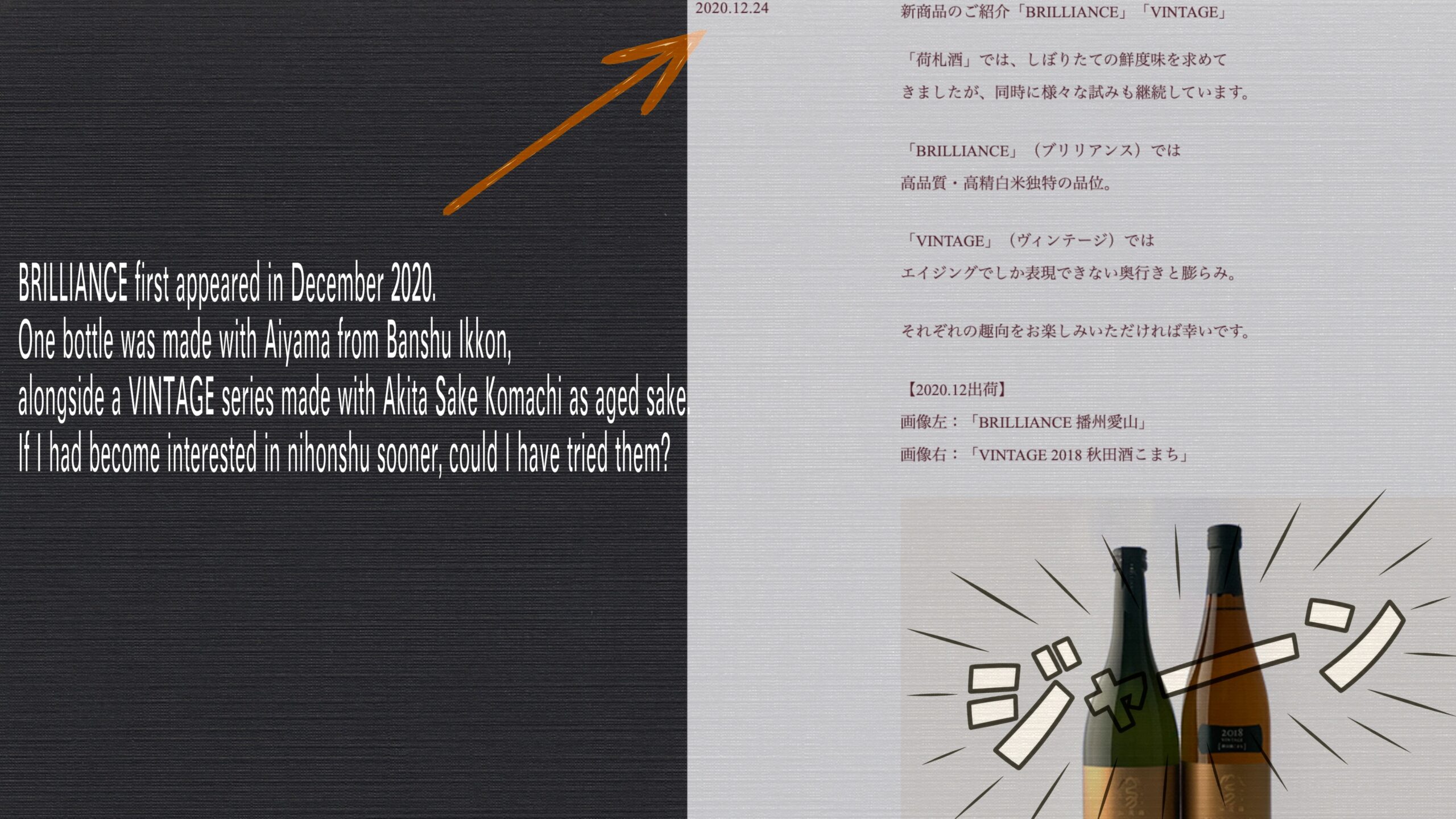
Then, in 2020, BRILLIANCE, Nifudazake’s premium lineup, was born. It uses well-known rice from different regions, polished to a high degree, to make high-quality sake.
Nifudazake was also featured in a documentary broadcast in 2020 as a sake recommended by Akitsuna Takagi. The two later met at brewery gatherings and various events. In this way, Yuichi formed a personal connection with the person who had inspired him to start brewing and whom he respected most in the sake industry.
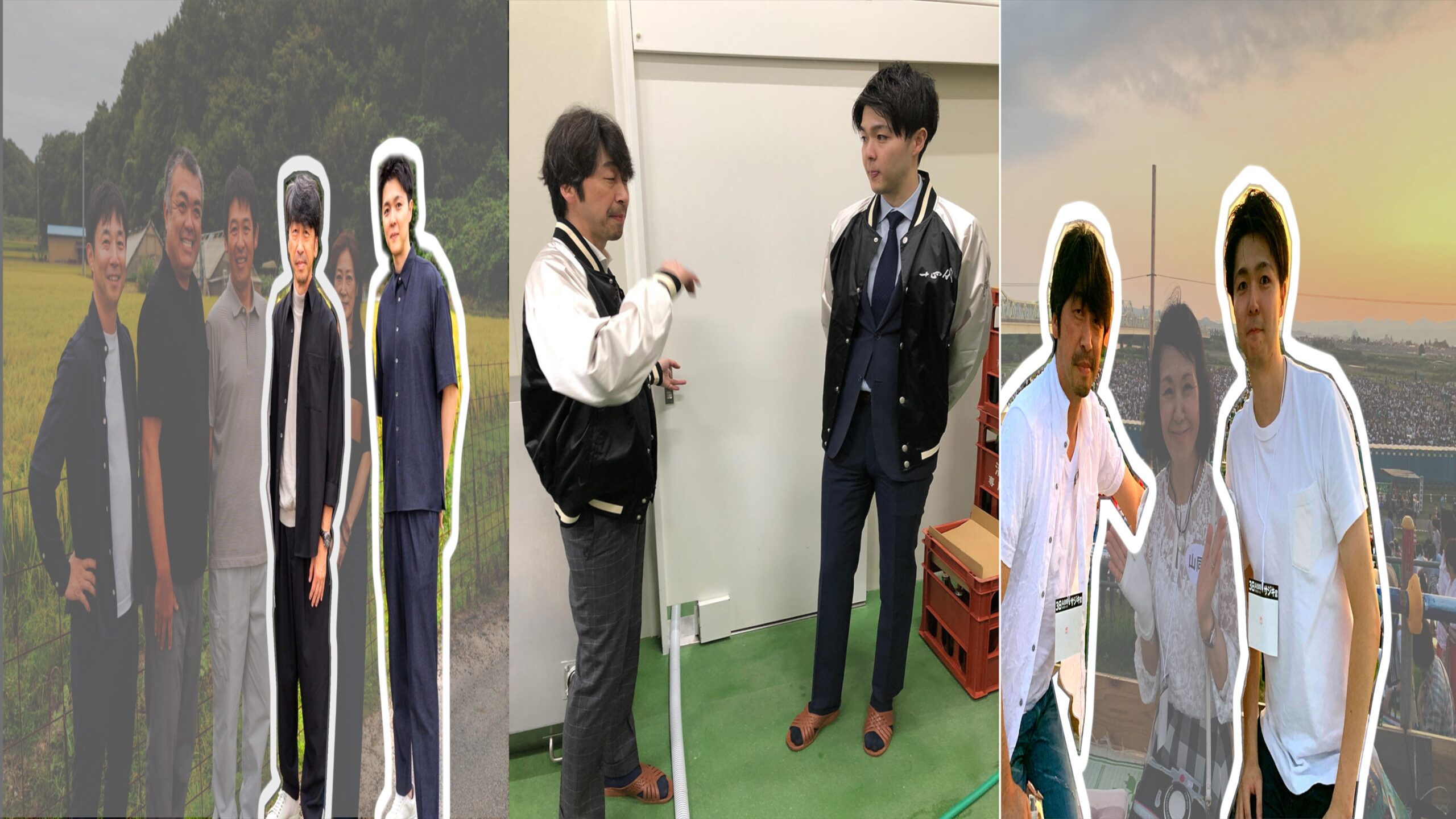
Yuichi released his first sake in 2015. By 2026, his nihonshu was on the shelves of sake shops across Japan, and the person he looked up to had recommended it in a documentary. It took about ten years to reach that point.
And Yuichi is still only 34.
The height and weight of the walls ahead of him will depend on the future he chooses to pursue. Whatever their size, I personally believe he will find his own way to break through them and keep moving forward.
The strength Yuichi has within himself
I’d like to share a short personal story.
When I became interested in nihonshu, I decided to make videos and build and run a website.
I had been a nurse, so I had never learned about video production or building websites—not in elementary school, and not at any point before graduating from university.
As soon as I set that goal, I hit a wall.
I believed that hitting a wall meant the path I had chosen lay in that direction. If I could get over it, I would surely move one step forward along that path.
I use Final Cut Pro for my videos and services from Hostinger, a domain provider, for my website. For the site’s design, I use the well-known WordPress and Elementor.
There wasn’t much information in Korean, so I learned everything in English. At first, there was so much I didn’t know. AI has advanced, but even now, in 2026, it still cannot reliably find accurate information. Using it to find things out and try them for myself helped to a degree, but it often sent me the long way around. (Sometimes it used very old sources or cited posts that had been deleted. When I asked about Final Cut Pro, it explained editing tools in Premiere Pro—something that happened almost every day.)
Still, for nearly six months, I searched for information and put it into practice every day. When something was wrong, I fixed it. Other times, I worked within the limits I faced and found a workable middle ground. I did this dozens of times.
That is how I built the website I have now and learned to shoot and edit videos.
Of course, if I look back at my website or videos a year from now, I’ll see things that still need work. But when I compare them with what I made a year ago, I can see how much I’ve improved. I’m proud of how many walls I’ve overcome along the way.
Yuichi and I have different dreams, so we’re moving in different directions. But I felt that the way we move forward is the same, or at least very similar.
With no toji at the brewery, he began learning to brew alongside his father.
Neither father nor son had enjoyed nihonshu at first. They started by tasting many different sakes in painful sessions night after night, developing their palates. Money was another obstacle when it came to brewery equipment, but they used what they had studied to build their own automated equipment.
And in just one year and two months, Yuichi got his sake onto the shelves of one of Japan’s best-known sake retailers.
During that time, he must have made his way past countless walls, large and small. I believe that is why he can still bring out appealing sakes that improve year after year.
Closing thoughts and My private Tongue Diary
Thank you to everyone around the world who loves Nihonshu and has visited Sakagura Miyamoto. Sakagura Miyamoto was created to make Nihonshu more than just a drink with good taste and aroma — but something that lives in your memories. For those who want to turn Nihonshu from a simple alcoholic beverage into a medium that brings back moments and stories, and for those who want to describe Nihonshu in a deeper, more dimensional way, we invite you to join the Sakagura Miyamoto membership. The content below is for members only. Thank you.