Location: Yamaguchi Prefecture
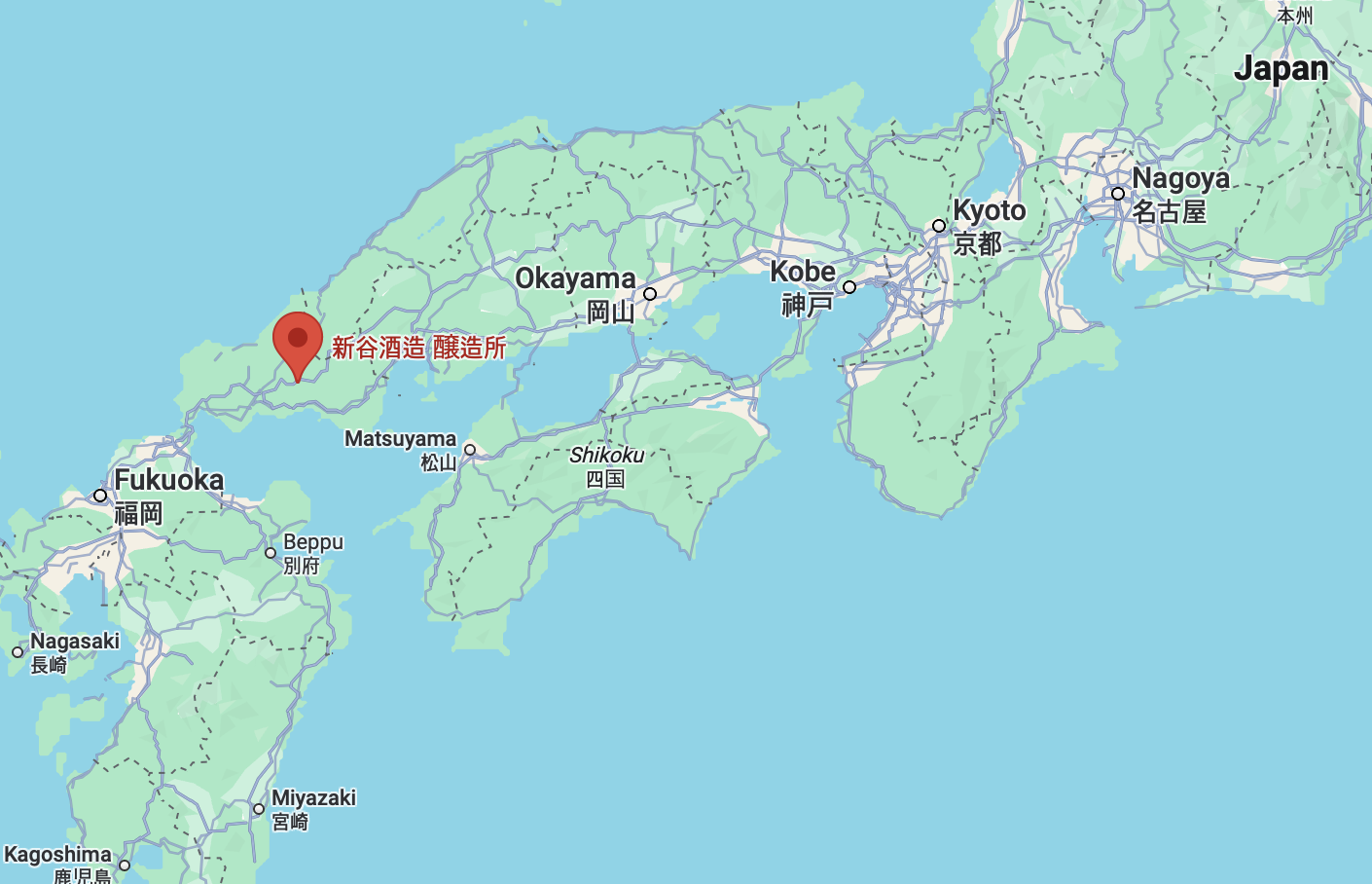
A small but formidable brewery from Yamaguchi Prefecture, which is also known as the home of Dassai. Here, I would like to introduce Wakamusume.
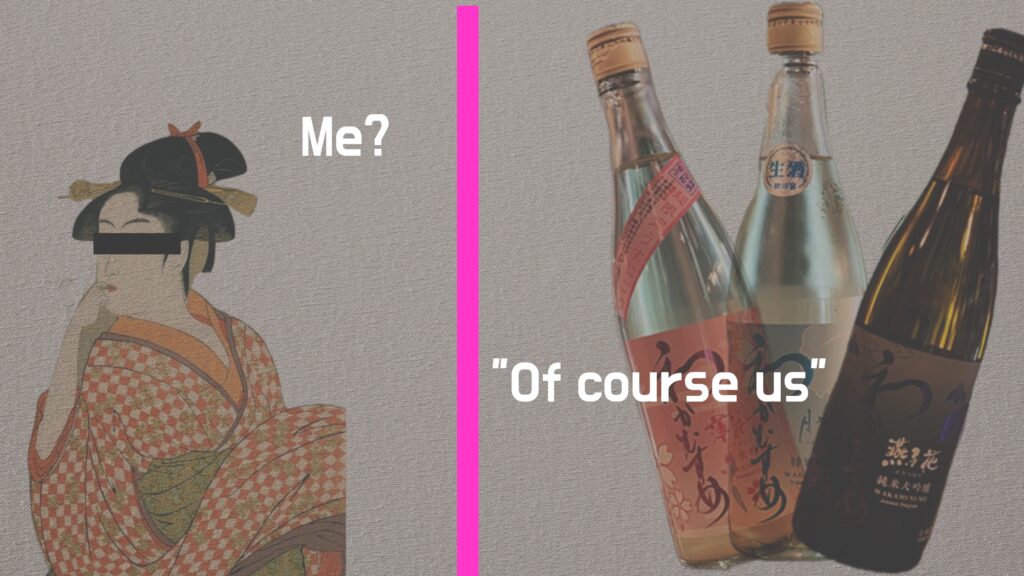
Wakamusume can also be found in Fukuoka, and it is a sake that appears frequently in sake shops throughout Yamaguchi Prefecture. For those who can read Japanese, it is easy to misunderstand the name as 若娘, meaning “young daughter” (as I once did). However, the actual kanji is 和可娘, which evokes the image of a young girl reciting waka(和歌), Japan’s traditional form of poetry.
(it’s different kanji but, anyway)
Waka poetry often expresses the delicate and subtle changes of Japan’s seasons. Reflecting this sensibility, the labels developed by Wakamusume are named after seasonal flowers such as Tsukikusa (dayflower), Usuhana-zakura (pale cherry blossom), and Kakitsubata (Japanese iris).
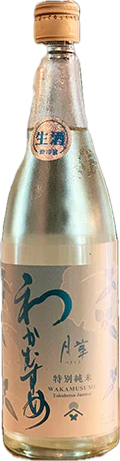
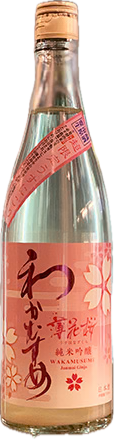
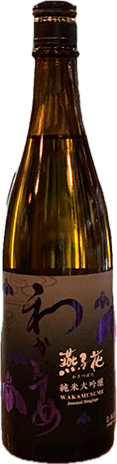
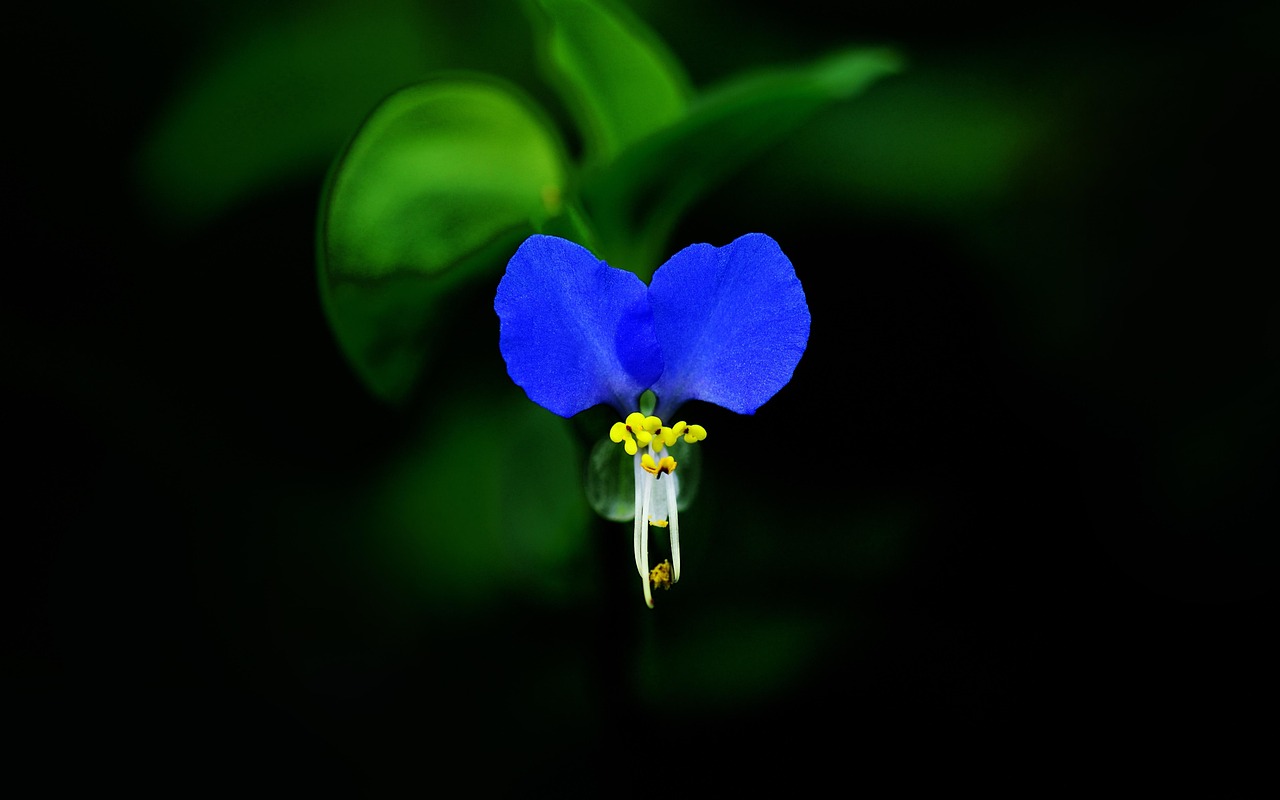
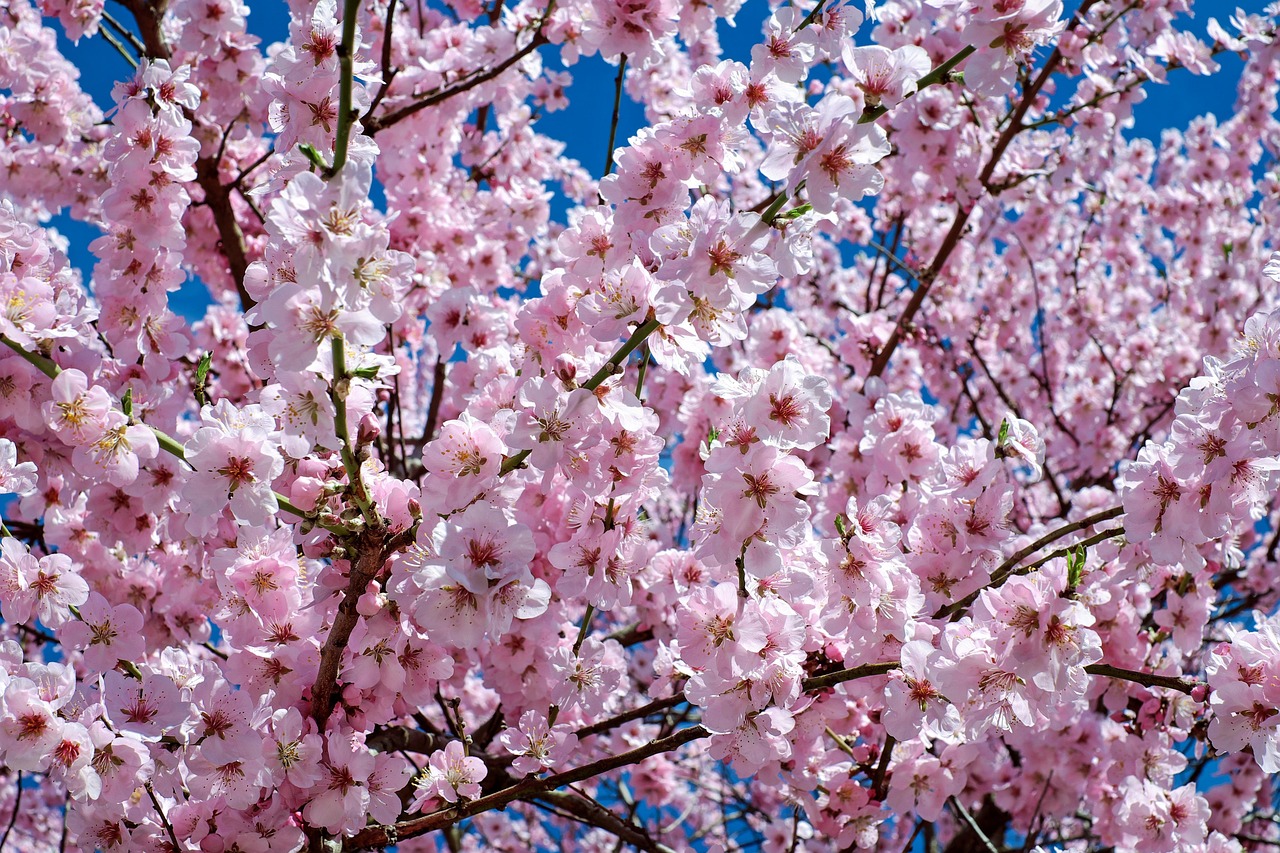
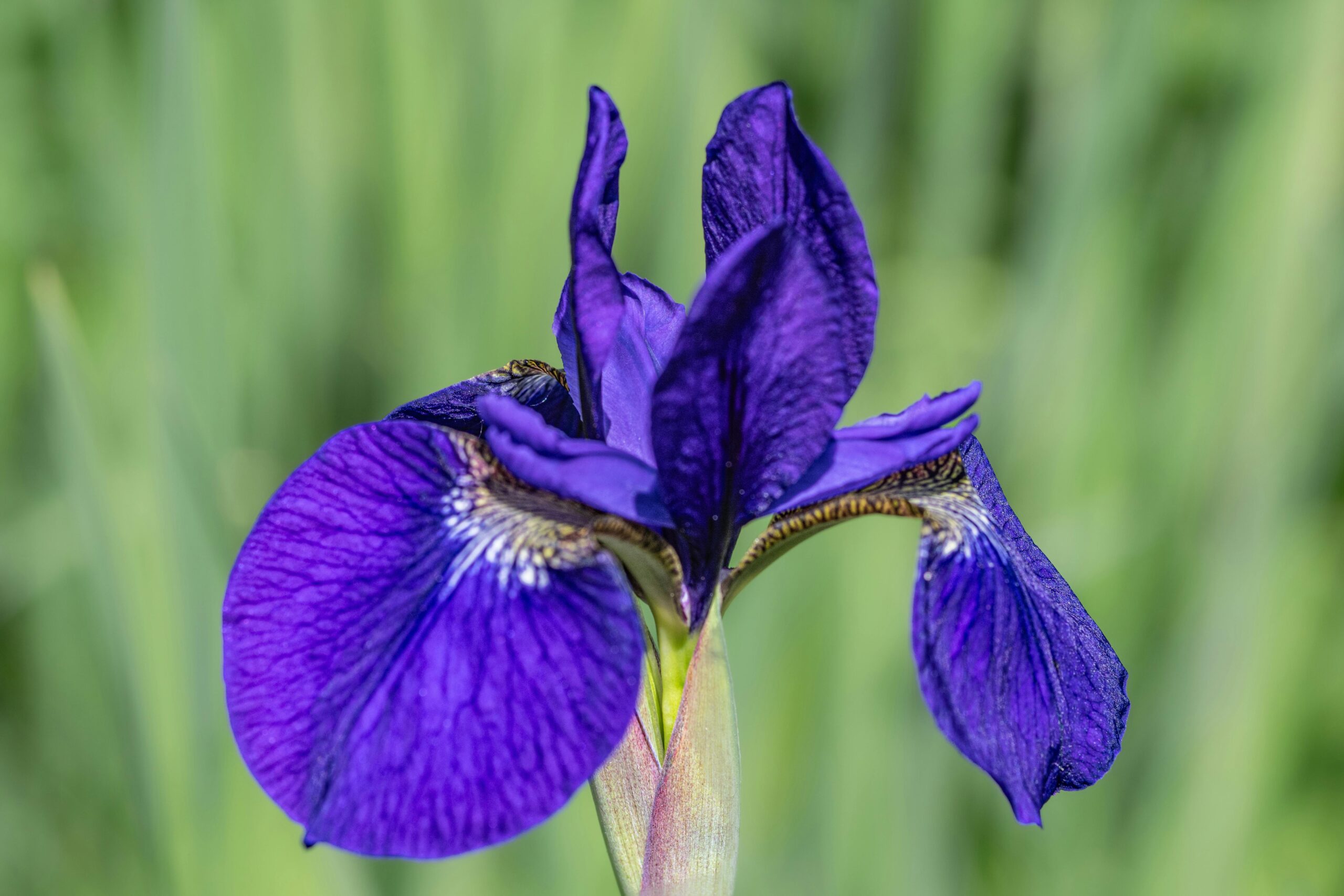
When you look at photographs of the actual flowers and then at the labels, the harmony between the naming, the design, and the real flowers comes together naturally.
The story of the brewery goes back to 1927, making this year its 99th anniversary. Wakamusume began when the founder, Kumayoshi Shintani, acquired a closed brewery in Yamaguchi Prefecture and started anew.
As time passed, the second-generation kuramoto took over the brewery, and from that point on, Wakamusume became widely loved within Yamaguchi Prefecture.
However, that period of stability did not last forever. When the time came to pass the brewery on to the third generation, there was no clear successor. Eventually, the grandson inherited the position of kuramoto, but the toji — the master brewer who had long been responsible for Wakamusume’s brewing — retired due to old age. This placed the brewery in serious financial danger and brought it to the brink of bankruptcy.
One important point to understand here is that Shintani Shuzo is a small brewery.
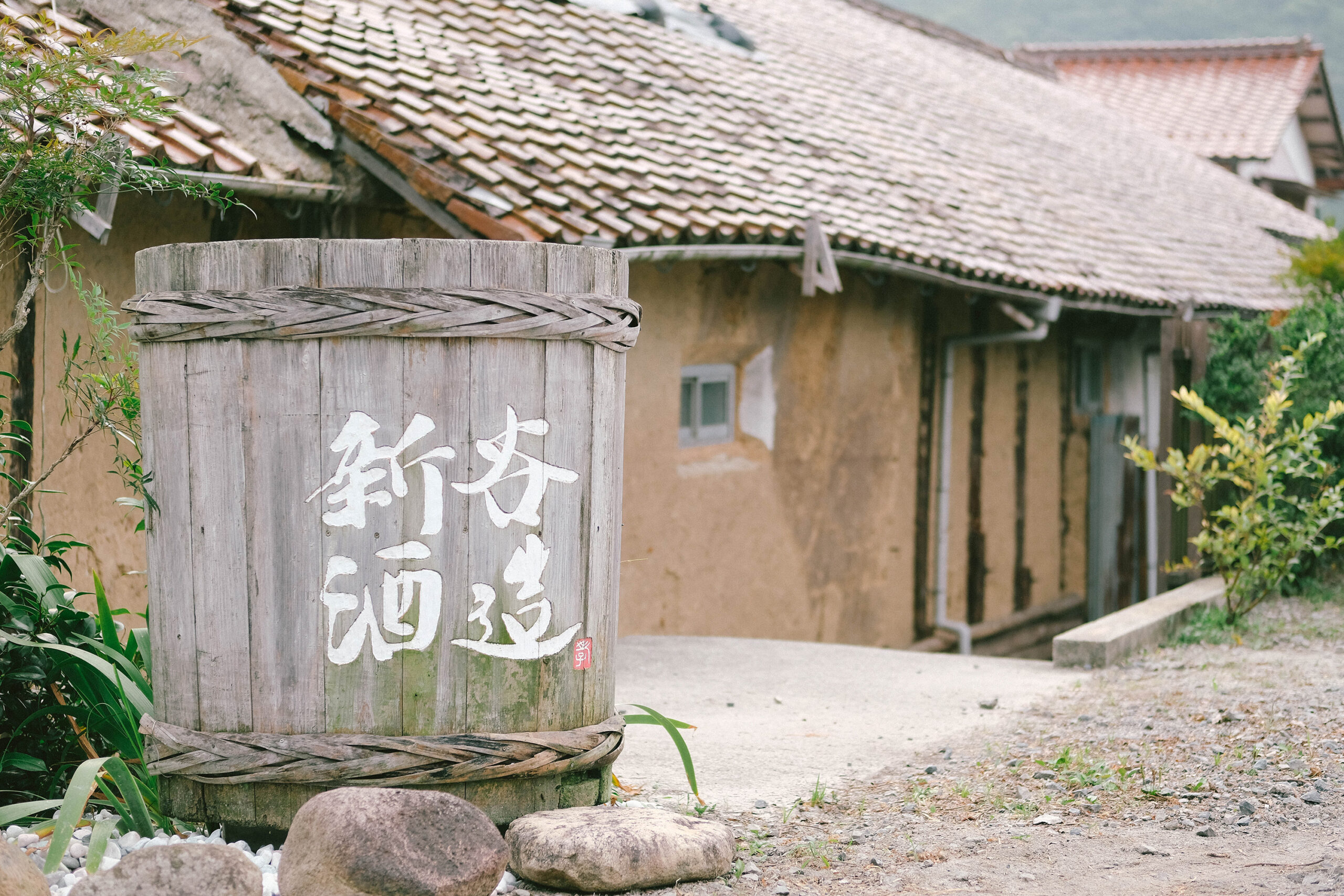
In a small brewery like this, especially several decades ago — a time without today’s easy access to information or shared knowledge — changes in the flavor of the sake were almost inevitable once the toji, who had been fully responsible for brewing, retired. Those changes quickly became management problems, eventually pushing the brewery to the brink of bankruptcy.
From that moment, the brewery began operating under a joint management system led by the kuramoto and his wife.
In Heisei 19 (2007), the third-generation kuramoto took on both roles: president of the brewery and toji, assuming full responsibility not only for the sake itself but also for the management of the business. Ten years passed in this way.
According to the third-generation kuramoto, those ten years went by in the blink of an eye. During that time, the flavor of Wakamusume gradually moved closer to the expression the brewery truly wanted to achieve, and among nihonshu fans, Wakamusume began to gain recognition as a genuinely delicious sake.
However, the good times did not last uninterrupted. The main beam supporting the brewery’s roof was damaged, putting the entire structure at risk of collapse and once again bringing the brewery close to bankruptcy. After relocating the brewery, brewing eventually resumed.
…
With time, Shintani Shuzo — a small brewery in Yamaguchi Prefecture — has gone on to receive awards at international competitions and is now recognized among sake enthusiasts in Japan as producing excellent sake. It has also become a well-known name among nihonshu fans in Korea.
The following text was written directly by the brewery’s toji, who is also the wife of the kuramoto. If you have the time, it is worth reading in full. Words written by someone who has overcome hardship together with others carry a certain weight, and for that reason, rather than summarizing it myself, I have translated and presented the original text as it is.
I grew up freely in the countryside, surrounded by rice fields. During my elementary school years, the boys called me “Bunko,” while my homeroom teacher gave me the nickname “Bun-chan.”
Spending evenings with my father, who loved to drink, and sneaking bites of food prepared for his sake became part of my daily life.
After graduating from junior college, I found work as an assistant in the sales department of a general company. In my second year, I was selected as the company’s first female employee to enter a comprehensive career-track position since its founding.
While visiting hospitals and care facilities to promote software developed to improve safety for dementia patients, I developed a desire to work in the medical field myself. I entered nursing school, completed four years of study, obtained my nursing license, and began working at a hospital.
Later, I met my current husband. Fortunately, I had always enjoyed sake, and after our marriage, I married into the sake brewery.
That same year, the brewery achieved its long-awaited first gold prize at the National New Sake Awards. My mother-in-law joyfully called me “a bride who brings good fortune.” When I tasted that sake myself, I was deeply moved by how delicious it was.
The following year, I was blessed with the birth of my first daughter.
However, soon afterward, the toji suddenly left the brewery due to illness. One by one, the brewery workers and office staff also left, and only the aging brewery and the two of us remained.
Faced with the possibility of closing the business, my husband resolved to continue brewing sake alone. In Heisei 19 (2007), part of the brewery was renovated into a four-season brewing facility, allowing sake to be produced year-round, but our livelihood remained difficult.
While returning to work as a nurse, I carried my child on my back and continued commuting to the brewery. For about eight years, I lived a double life, balancing nursing and sake brewing.
Then, in Heisei 28 (2016), a young man knocked on the brewery’s door, bringing a turning point.
“I don’t need anything in return. I just want to train here in sake brewing. One day, I want to make sake in Italy.”
These words deeply moved both my husband and me. Inspired by this encounter, I decided to leave nursing and dedicate myself fully to sake brewing. (The young man later trained at the Noguchi Naohiko Sake Institute and has since returned to Italy to prepare for brewing sake there.)
However, just as I committed myself fully to brewing, another crisis struck. The beam of the refrigerated brewing facility was damaged and came close to collapse. Once again facing the threat of closure, I stood frozen, unable to accept reality, as time passed.
Was this truly the end? Was there no path forward? After repeatedly asking myself these questions, I reached a conclusion:
to reexamine everything about our sake brewing and challenge international competitions one more time. If that failed, I would give up.
With that resolve, we poured our entire body and soul into brewing.
The result was a Gold Prize in the Junmai category at the French sake competition Kura Master, and the highest Platinum Prize in the Junmai category at the Brussels International Competition SAKE Selection.
It was still too early to give up. Not before trying everything we truly wanted to do. Together with my husband, I decided to relocate the brewing facility. In Heisei 30 (2018), we made a new start, and at the same time, I inherited the role of toji from my husband.
Now, as the fourth-generation toji, I hold the weighty baton firmly in my hands and continue moving forward toward my dreams.
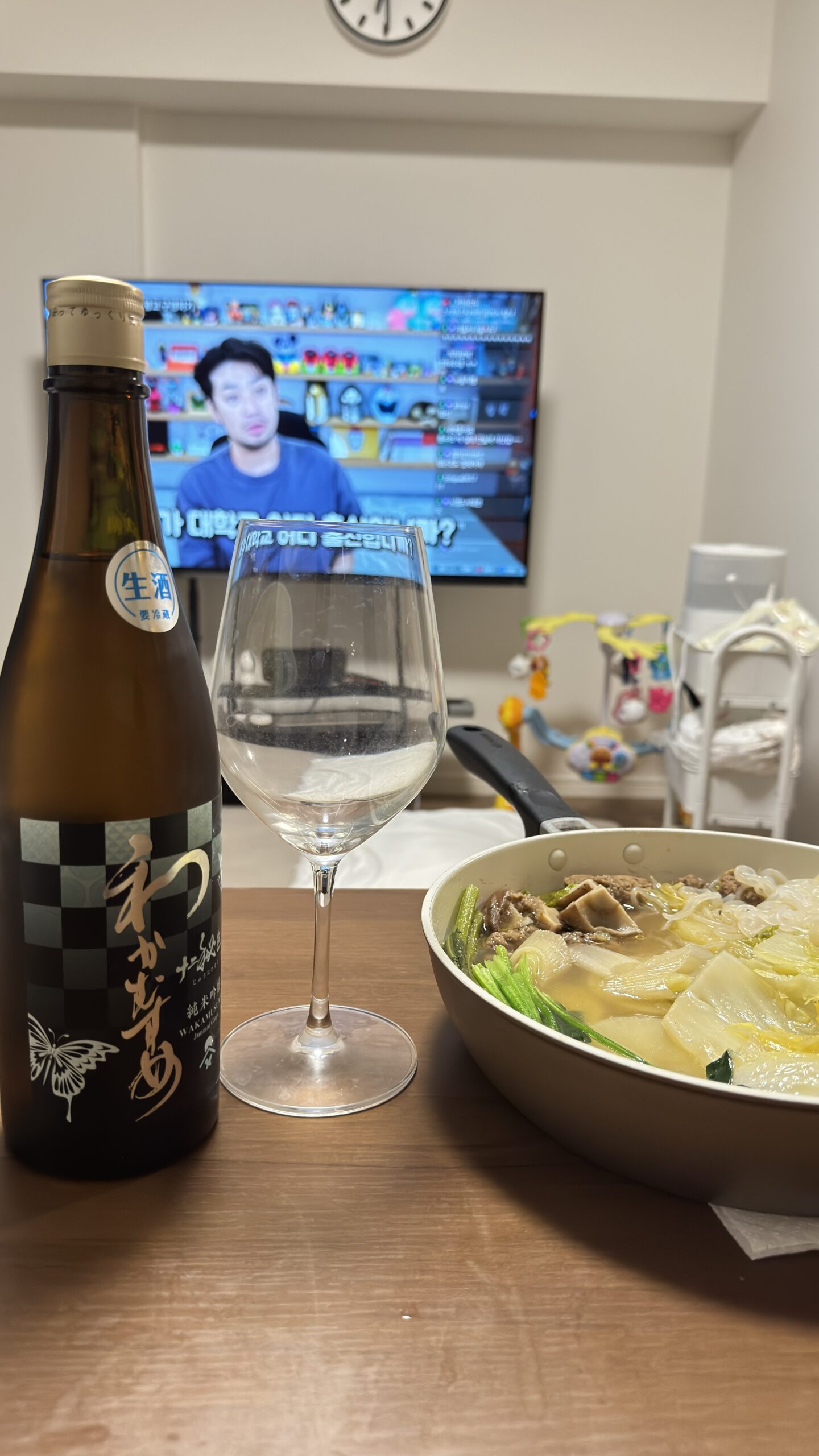
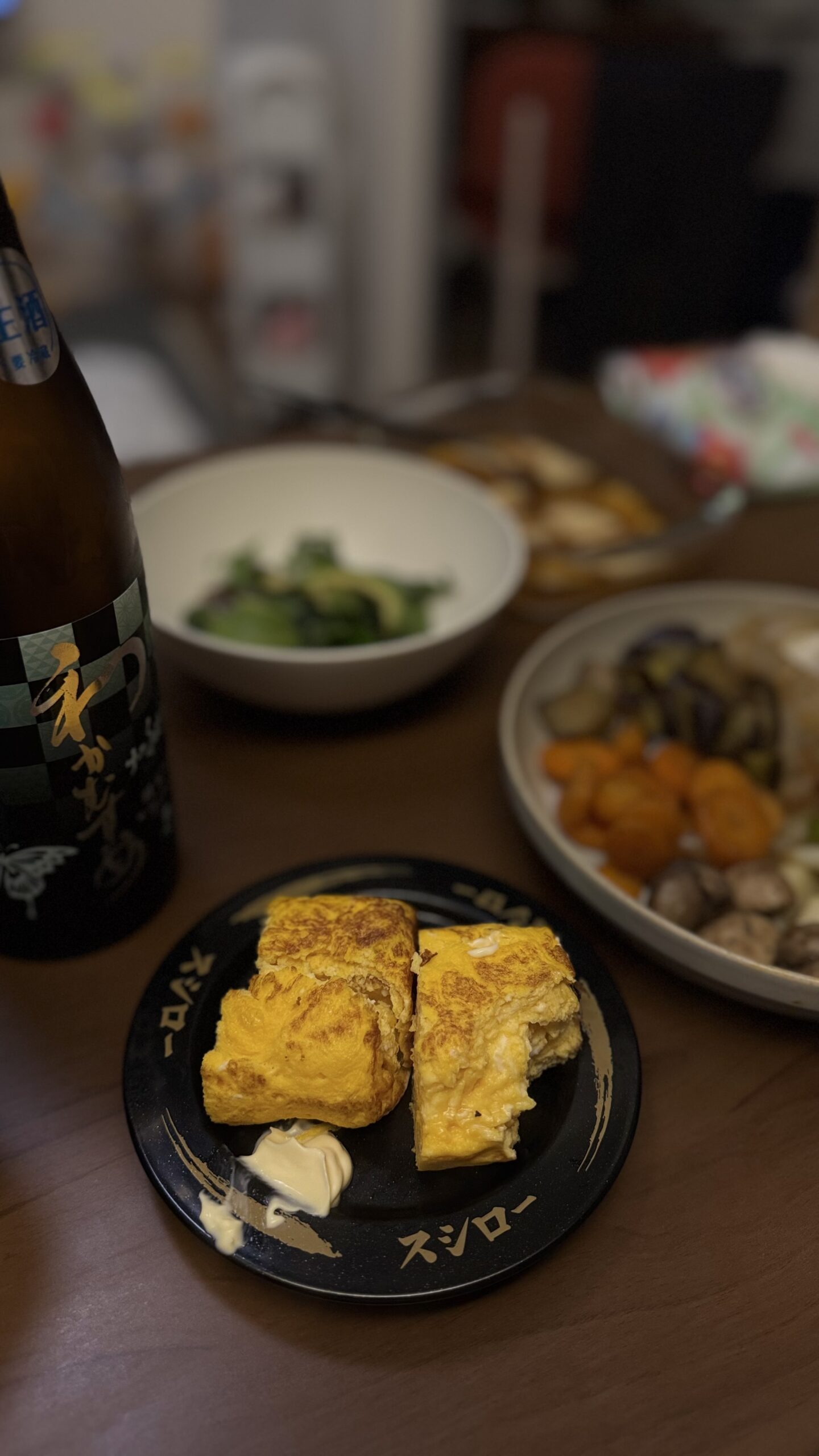
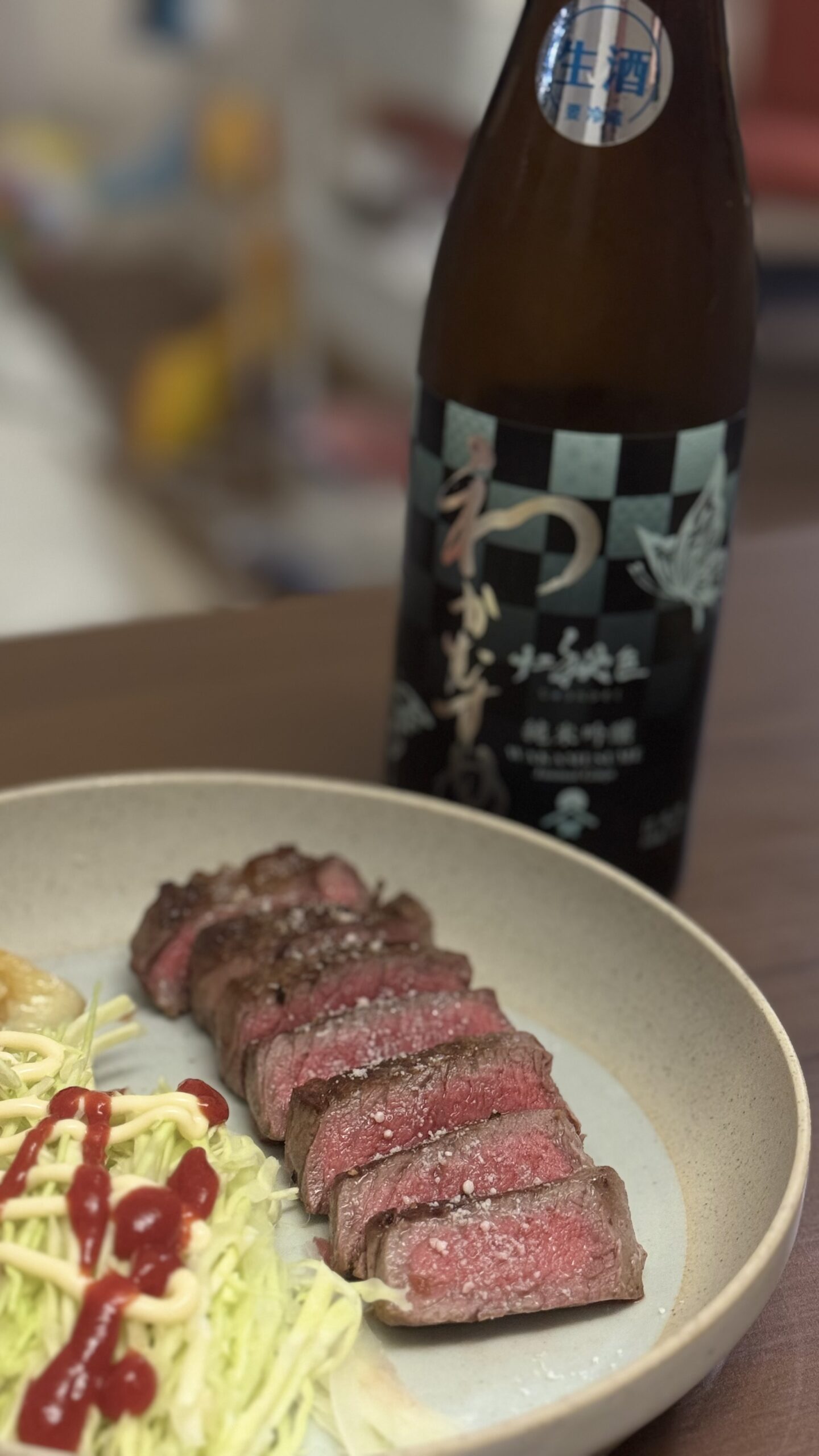
During my recent trip to Yamaguchi, I bought Wakamusume Junihisoku. Since I don’t drink much, I enjoyed it over four days, dividing it into three separate sessions.