
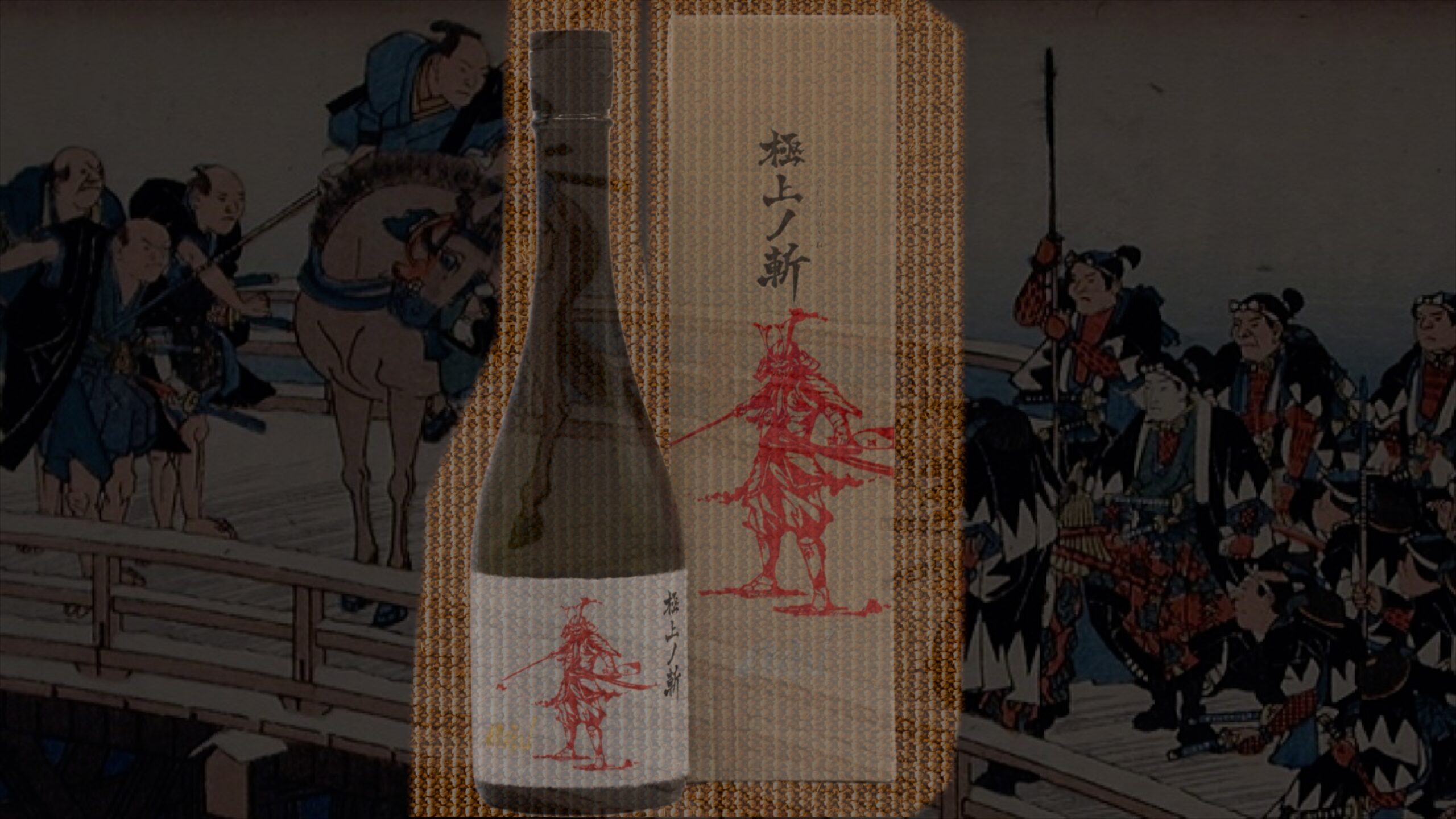
Akabu Shuzo in Iwate Prefecture was another brewery that suffered severe damage in the Great East Japan Earthquake on March 11, 2011, just like Miyakanbai and Hakurakusei, which I introduced earlier.
Everything collapsed.
Everything in the brewery. The equipment needed for brewing. The sake bottles. Even the homes of the employees living in Iwate.
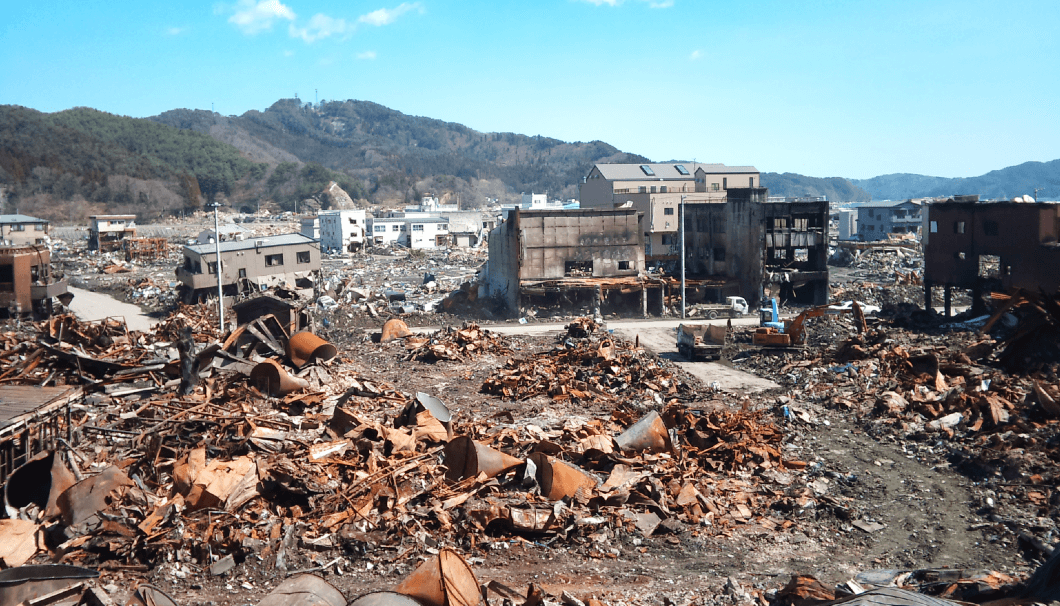
This was far more than simply suffering damage.
They were left in a position where they had to start everything over from the beginning.
Imagine it.
You run a brewery. It is the place where your father spent his entire working life, and before him, where your grandfather spent his.
The brewery began in 1893. More than a hundred years later, you inherit it as the fifth generation of your family. You have been devoting your life to brewing when a natural disaster strikes, and the brewery collapses.
The destruction is so complete that it leaves you where your family stood roughly 120 years earlier, before the brewery was ever built.
With the brewery that held your family’s history destroyed so completely that you literally have to start from scratch, what choice would you have made?
Would you identify the problems facing you, find the smallest possible step toward solving them, and move forward one step at a time?
Or would you give up and choose a life outside brewing?
The brewery’s owner at the time, Shuho Furudate, was planning to give up brewing. He told his customers that he would be unable to resume production and was preparing to close the business.
But along the way, many customers offered their encouragement, saying they hoped to drink the brewery’s sake again someday. Their words helped him rise out of despair and decide to move forward.
To move forward, he needed to understand exactly what problems he was facing—and then solve them.
Identifying the problem was simple. But the problem itself was enormous.
The brewery was completely gone.
And without it, he could not brew.
To find a solution, Furudate visited operating breweries within the prefecture. But letting outsiders into a brewery was not an ideal arrangement for the brewery itself or for maintaining the quality of its sake, so he was turned down several times.
Then Sakuragao Shuzo, a brewery in Iwate Prefecture, reached out to help. Personally, I think it made the greatest contribution to making today’s Akabu possible.
Thanks to Sakuragao’s support, Hamamusume returned to the world in 2011, the very year the disaster struck. The Hamamusume yeast lost in the disaster was replaced with a culture that remained at the Iwate Industrial Research Institute.
In 2013, two years after they began brewing at another brewery and imagining a brighter future again, they were finally able to rebuild. They could not build on the original site in Otsuchi, but they could establish a new brewery farther inland, in Morioka.
One hardship often follows another. Two years was too long for the brewery’s former employees to simply keep waiting.
They had gone their separate ways to earn a living, so the newly built brewery hired ten less experienced employees in their twenties and thirties.
They lacked experience, but this also created an opportunity to look at established brewing practices with fresh eyes. And every new employee was full of energy and enthusiasm.
As sales of Hamamusume began to decline, they had to find a new way forward.
A newly built brewery.
Young employees full of energy and enthusiasm.
And Shuho’s son, Ryunosuke Furudate—the sixth generation, who had newly taken on the role of toji and continues to serve as the brewery’s master brewer today.
At 22, Ryunosuke was the youngest toji in Japan.
With these three elements in place, they put everything into creating a new sake aimed at a younger generation.
At the time, Juyondai and Jikon were popular among young sake fans. They brewed with the fruity aromas, fragrant character, and sweetness of those two brands as their guiding light.
And so, in 2014, Akabu made its first appearance.
In its first year, sake retailers and customers—and even Ryunosuke himself—were not particularly satisfied with its taste.
Then came 2015, its second year on the market. Together, the entire team worked through the feedback they had received the previous year and the shortcomings they had identified themselves, improving them one by one. As a result, the sake won praise in the market, and the brewery began supplying various shops across the greater Tokyo area.
From there, as we know, Akabu became one of Japan’s well-known sake brands. The employees who once had little experience are now veterans with more than ten years behind them, and they have become essential members of the brewery.
.
.
Akabu Shuzo currently offers around 40 different labels. As I write this in March, its spring seasonal release, SAKURA, is available.
It has also arrived at Todoroki and Hisaya, the sake shops I introduced recently. Akabu’s seasonal releases are so appealing that I would expect to find one occupying a spot in the fridge of any well-known sake izakaya in Fukuoka.
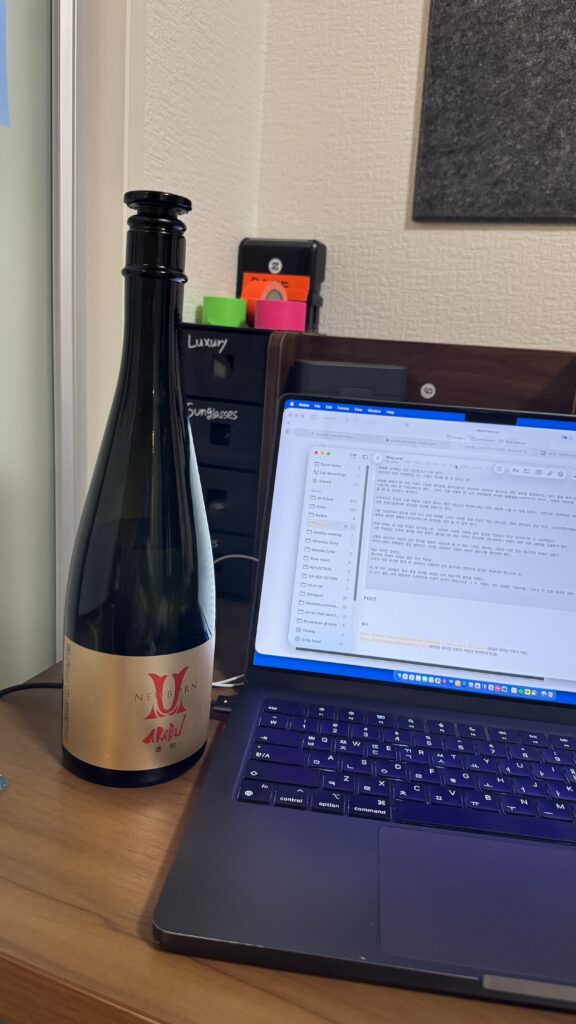
On the evening of March 21, as I write this, I drank the Akabu NEWBORN Omachi I had bought at Hisaya. Made with Omachi rice, it had that lovely umami I expected, along with a slight fizz.
“Just what I’d expect from Akabu,” I thought. But I also wondered whether it would be even more fun to taste it side by side with the Akabu SNOW I drank last winter.
I even imagined getting a large fridge for the house someday and filling it entirely with sake—keeping bottles bought in winter until summer, then tasting them alongside summer sake.
.
.