
Beyond Kumamoto, Beyond Kyushu — Ubusuna Sake Is Now Taking Korea by Storm
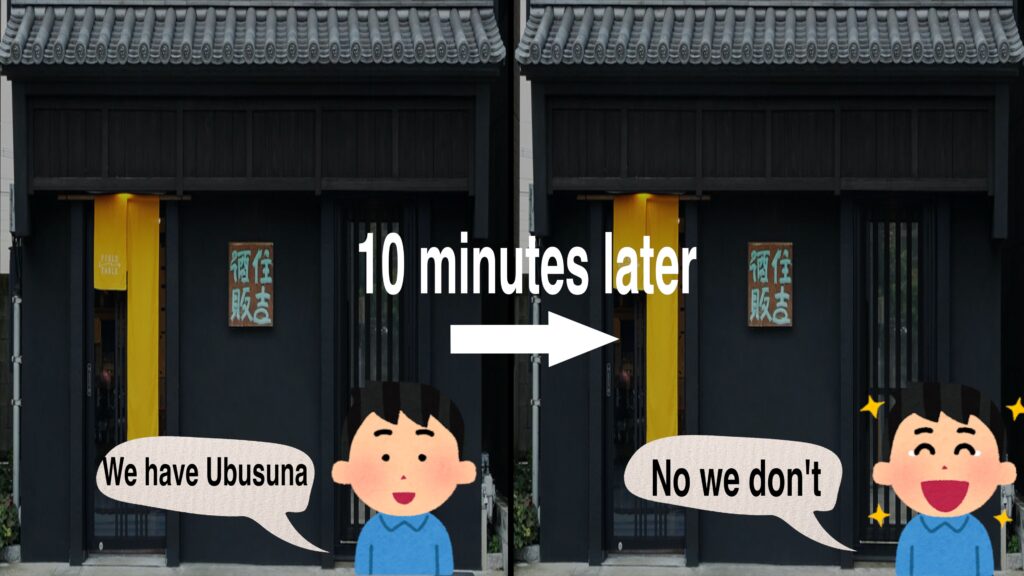
There are many types of nihonshu with a sparkling character,
but the kind of carbonation that Ubusuna delivers—only Ubusuna can create it.
The sake I’m introducing today is Ubusuna, a bottle that stands alongside Nabeshima as a representative of Kyushu—so popular that it often sells out in less than a day after hitting the shelves.
Released on December 17, 2021, Ubusuna quickly rose to become one of Kyushu’s defining sakes. It brought the concept of terroir—a term commonly used in wine—into the world of nihonshu.
So how did Kiyotaka Kanda, the kuramoto (brewery owner) behind Ubusuna, come to create it?
What makes Ubusuna so unique?
And more interestingly—why did you, the one reading this, become curious about Ubusuna in the first place?
And finally, let’s talk about what I was doing on the day Ubusuna was first released.
(You might not care, but still.)
1902: sake. 1970: shochu. And then back to sake in 2011.
In Kumamoto Prefecture, there’s a brewery called Hananoka Shuzo, known for producing both Ubusuna and Hananoka.
Founded in 1902, the brewery has continued its craft for six generations to this day.
As the name suggests, the sake they have been making since the very beginning is “Hananoka.”
Originally, it was a sake-only brewery. However, after Japan’s period of rapid economic growth, the oil shock triggered a decline in sake consumption. As a result, from around 1970, they shifted their focus to shochu.
At the time, shochu consumption was rising nationwide, so they expanded production along with the trend. But as the shochu boom eventually faded, by the time Kiyotaka Kanda took over the brewery in 2011, the business was in serious financial trouble.
While searching for a way to break through this situation, Kanda came across a TV program about Dassai.
Without hesitation, he contacted Asahi Shuzo and asked its kuramoto, Hiroshi Sakurai, to take him on as an apprentice. Sakurai accepted right away.
(Exactly what you’d expect from the kuramoto behind Dassai—on another level of cool.)
In September 2014, Kanda went for training with five of his staff.
The staff trained for two weeks, while Kanda himself trained for two months. As soon as they returned, they began brewing their own sake.
The result? Immediate success.
As soon as the sake was released, it sold out completely under strong praise from customers.
But there was a problem—lack of equipment.
Supply couldn’t keep up with demand at all.
A brewery that brews for only two months and supplies nothing for the remaining ten months is, frankly, not easy for retailers to work with.
Still, Kanda decided to expand the facilities to meet the explosive demand.
Then in 2016, the Kumamoto Earthquake struck.
Fortunately, the brewery was far from the epicenter and suffered only minor damage. However, a nationwide movement to “support Kumamoto” emerged, and Hananoka’s sales surged once again.
Many people who tasted their sake during this time became loyal fans of the brewery.
Around the same period, Kanda traveled to France.
He wanted to learn champagne-making techniques and apply them to his own sake.
And in 2017, they created a sparkling sake using secondary fermentation in the bottle.
(Of course, this is not Ubusuna.)
What he discovered in France: terroir.
Terroir refers to expressing the unique characteristics of a region in wine—
including soil, water, climate, humidity, and even altitude.
In the world of wine, the more premium it gets, the more specific the description becomes—down to the exact vineyard. That’s how strongly terroir is reflected.
Inspired by this idea of pushing regional identity to its limits, Kanda sought to bring the same philosophy into sake.
Using only ingredients from Kumamoto and traditional methods, he began brewing a new kind of sake.
That is how Ubusuna was born in 2021.
Ubusuna is made from three types of rice:
-
Yamada Nishiki
-
Homase
-
Kabashiko
All three are grown in Kumamoto.
In particular, Homase and Kabashiko were once highly valued rice varieties during the Edo period and cultivated in Kyushu. However, they fell out of use in modern times and nearly disappeared.
Hananoka Shuzo managed to recover just 40 grains and successfully revive these varieties, which are now used again in brewing.
The “tattoos” of Ubusuna
On the back label of Ubusuna, there are 12 different symbols.
These symbols are colored in according to the number of methods used in brewing the sake.
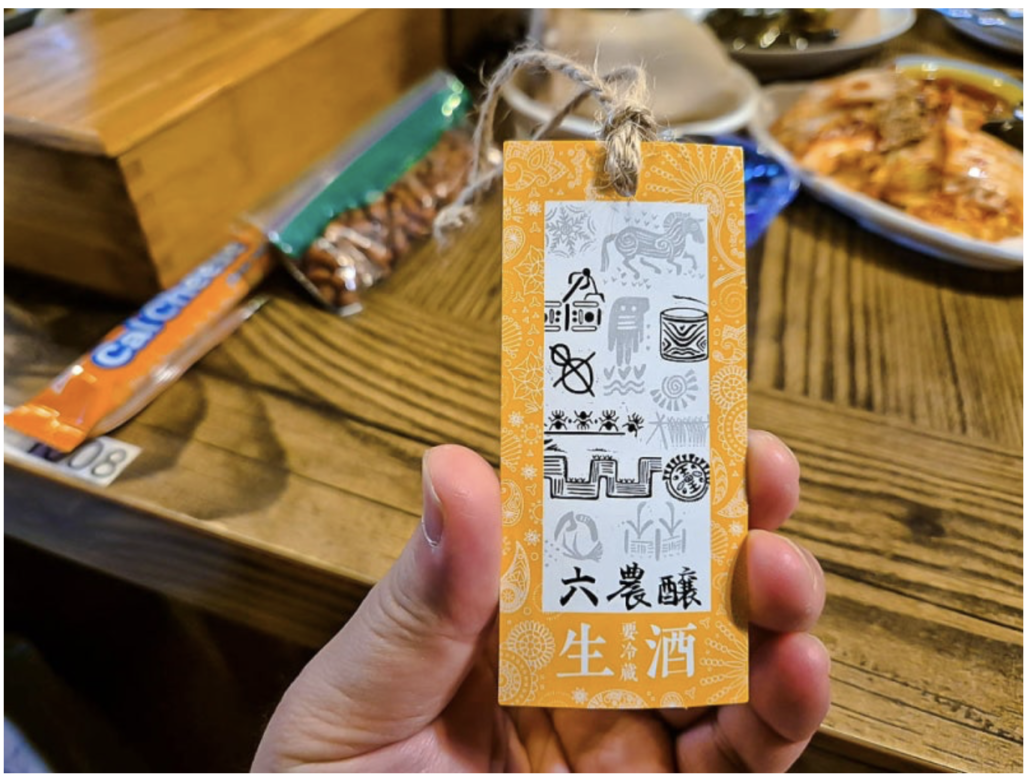
The more symbols are colored in, the more time and effort went into making the sake.
And the meaning of each symbol is as follows.
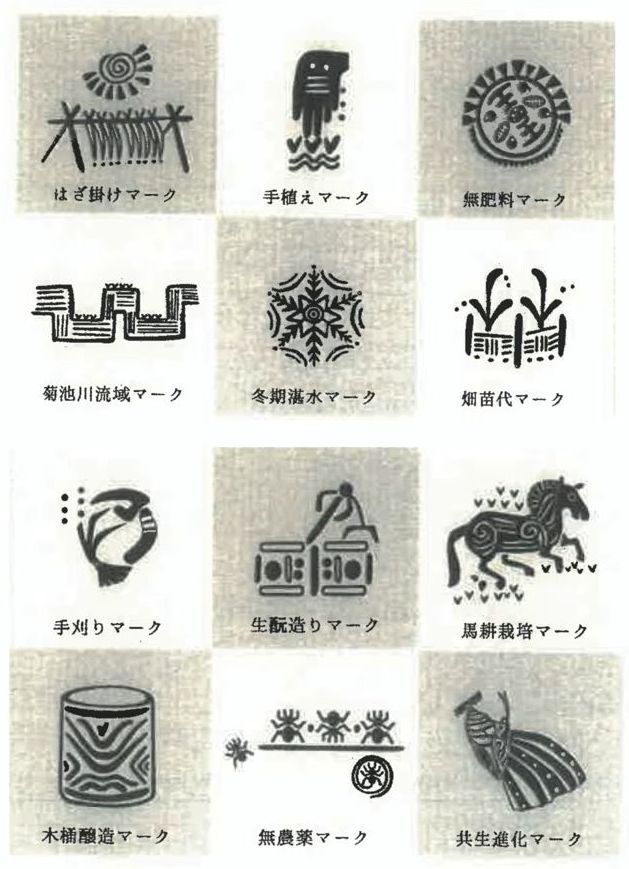
(From top left to right)
Sun-dried rice / hand-cultivated farming / no fertilizers / rice grown in the Kikuchi River basin in Kumamoto Prefecture/ keeping water in the rice fields even during winter / raising seedlings in dry fields before transplanting to paddies / harvesting entirely by hand / kimoto method / plowing fields with horses instead of tractors / fermentation in wooden vats / pesticide-free / nature-oriented
Depending on how many symbols are colored in, the sake is labeled and sold as “2-nojo,” “3-nojo,” “4-nojo,” all the way up to “12-nojo.”
Personally, the highest I’ve actually seen is 7-nojo.
I’ve heard of 10-nojo, but I’ve never had the chance to try it.
The difference between each level doesn’t seem dramatically huge at first glance,
but if I ever get the chance to taste all of them, I definitely wouldn’t pass it up.
Closing
If you’ve read this far, there’s a good chance you’ll end up liking Ubusuna.
Even people who don’t usually enjoy sweet-style sake often find themselves liking it.
It’s the kind of sake that’s hard to dislike in the first place.
And once you’ve tried 2-nojo, it’s only natural to get curious about 3-nojo, 4-nojo…
That curiosity is part of the experience.
For me, comparing the differences—like Yamada Nishiki 2-nojo vs. 6-nojo, or Kabashiko 4-nojo vs. 6-nojo—is exactly what makes Ubusuna so fascinating.
That said, when drinking a highly carbonated sake, pairing matters more than you might expect.
For example, Homase had particularly strong carbonation, and when I paired it with yakiniku, it didn’t quite work.
So if you ever drink Ubusuna with food, try this:
take a sip first, then choose a dish that matches its flavor and aroma profile.
I’m confident it’ll give you a completely different kind of enjoyment compared to pairing with dry-style sake.
So… what was I doing on December 17, 2021, the day Ubusuna was released?
There are many types of nihonshu with a sparkling character,
but the kind of carbonation that Ubusuna delivers—only Ubusuna can create it.
The sake I’m introducing today is Ubusuna, a bottle that stands alongside Nabeshima as a representative of Kyushu—so popular that it often sells out in less than a day after hitting the shelves.
Released on December 17, 2021, Ubusuna quickly rose to become one of Kyushu’s defining sakes. It brought the concept of terroir—a term commonly used in wine—into the world of nihonshu.
So how did Kiyotaka Kanda, the kuramoto (brewery owner) behind Ubusuna, come to create it?
What makes Ubusuna so unique?
And more interestingly—why did you, the one reading this, become curious about Ubusuna in the first place?
And finally, let’s talk about what I was doing on the day Ubusuna was first released.
(You might not care, but still.)
1902: sake. 1970: shochu. And then back to sake in 2011.
In Kumamoto Prefecture, there’s a brewery called Hananoka Shuzo, known for producing both Ubusuna and Hananoka.
Founded in 1902, the brewery has continued its craft for six generations to this day.
As the name suggests, the sake they have been making since the very beginning is “Hananoka.”
Originally, it was a sake-only brewery. However, after Japan’s period of rapid economic growth, the oil shock triggered a decline in sake consumption. As a result, from around 1970, they shifted their focus to shochu.
At the time, shochu consumption was rising nationwide, so they expanded production along with the trend. But as the shochu boom eventually faded, by the time Kiyotaka Kanda took over the brewery in 2011, the business was in serious financial trouble.
While searching for a way to break through this situation, Kanda came across a TV program about Dassai.
Without hesitation, he contacted Asahi Shuzo and asked its kuramoto, Hiroshi Sakurai, to take him on as an apprentice. Sakurai accepted right away.
(Exactly what you’d expect from the kuramoto behind Dassai—on another level of cool.)
In September 2014, Kanda went for training with five of his staff.
The staff trained for two weeks, while Kanda himself trained for two months. As soon as they returned, they began brewing their own sake.
The result? Immediate success.
As soon as the sake was released, it sold out completely under strong praise from customers.
But there was a problem—lack of equipment.
Supply couldn’t keep up with demand at all.
A brewery that brews for only two months and supplies nothing for the remaining ten months is, frankly, not easy for retailers to work with.
Still, Kanda decided to expand the facilities to meet the explosive demand.
Then in 2016, the Kumamoto Earthquake struck.
Fortunately, the brewery was far from the epicenter and suffered only minor damage. However, a nationwide movement to “support Kumamoto” emerged, and Hananoka’s sales surged once again.
Many people who tasted their sake during this time became loyal fans of the brewery.
Around the same period, Kanda traveled to France.
He wanted to learn champagne-making techniques and apply them to his own sake.
And in 2017, they created a sparkling sake using secondary fermentation in the bottle.
(Of course, this is not Ubusuna.)
What he discovered in France: terroir.
Terroir refers to expressing the unique characteristics of a region in wine—
including soil, water, climate, humidity, and even altitude.
In the world of wine, the more premium it gets, the more specific the description becomes—down to the exact vineyard. That’s how strongly terroir is reflected.
Inspired by this idea of pushing regional identity to its limits, Kanda sought to bring the same philosophy into sake.
Using only ingredients from Kumamoto and traditional methods, he began brewing a new kind of sake.
That is how Ubusuna was born in 2021.
Ubusuna is made from three types of rice:
-
Yamada Nishiki
-
Homase
-
Kabashiko
All three are grown in Kumamoto.
In particular, Homase and Kabashiko were once highly valued rice varieties during the Edo period and cultivated in Kyushu. However, they fell out of use in modern times and nearly disappeared.
Hananoka Shuzo managed to recover just 40 grains and successfully revive these varieties, which are now used again in brewing.
The “tattoos” of Ubusuna
On the back label of Ubusuna, there are 12 different symbols.
These symbols are colored in according to the number of methods used in brewing the sake.
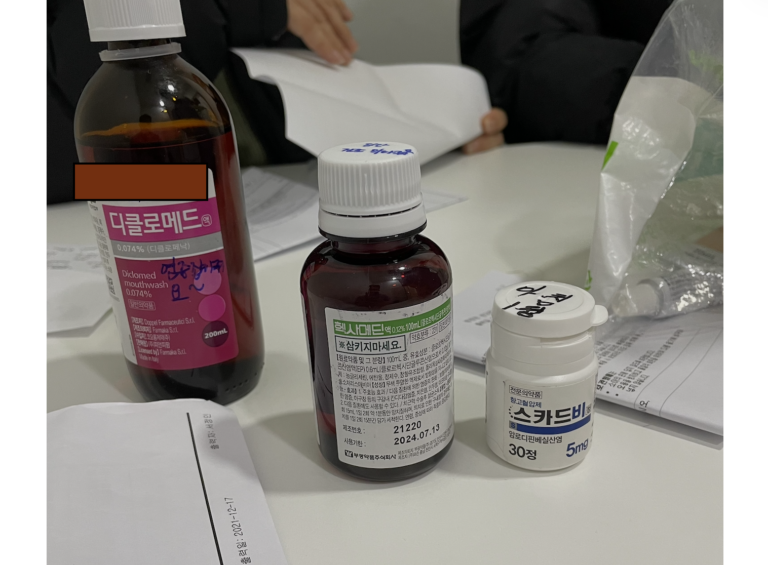
I was working as a nurse—
a new patient had just arrived, and I was organizing medications while taking care of them.
Fin
Sources
https://jp.sake-times.com/knowledge/sakagura/sake_g_hananoka(History of Hananoka Brewery)
https://corne-sake.hatenablog.com/entry/2022/06/03/110000 (Ubusuna symbol’s meaning)