
338 years ago in Akita Prefecture — Ippaku-suisei(一白水成)
There is a sake from Akita Prefecture — the favorite of my first Japanese friend I grew up close to after coming to Fukuoka, and one I had tried myself back in Korea.
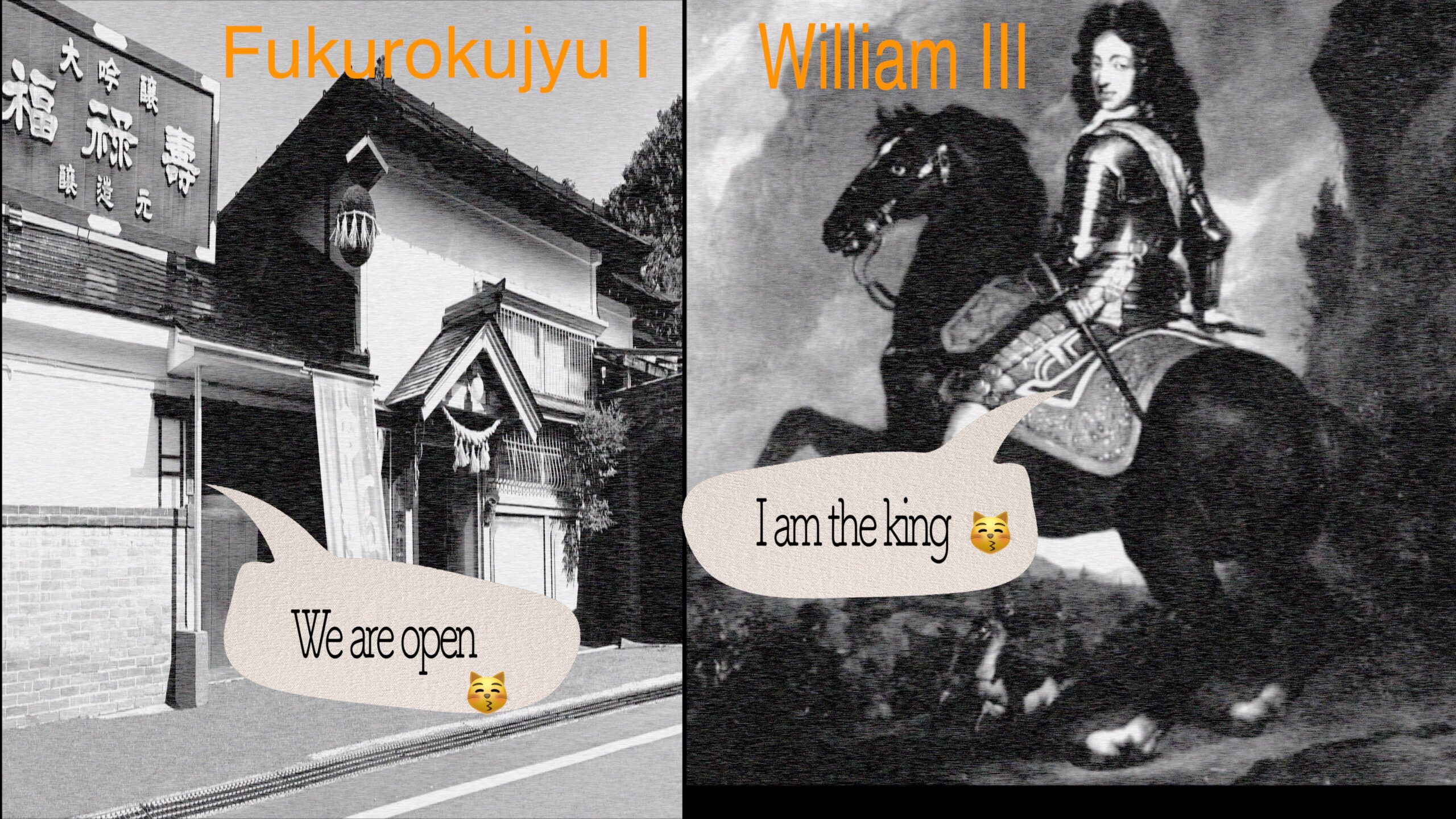
This brewery’s history begins in 1688. Around the time the brewery was founded, England was in the midst of the Glorious Revolution, and Japan was entering the Genroku Era (1688–1704).
This brewery is Fukurokuju Shuzo — the maker of Ippaku-suisei, which we’ll be exploring today.
It sits between the inland and coastal regions of Akita Prefecture, a brewery with a long and storied history.
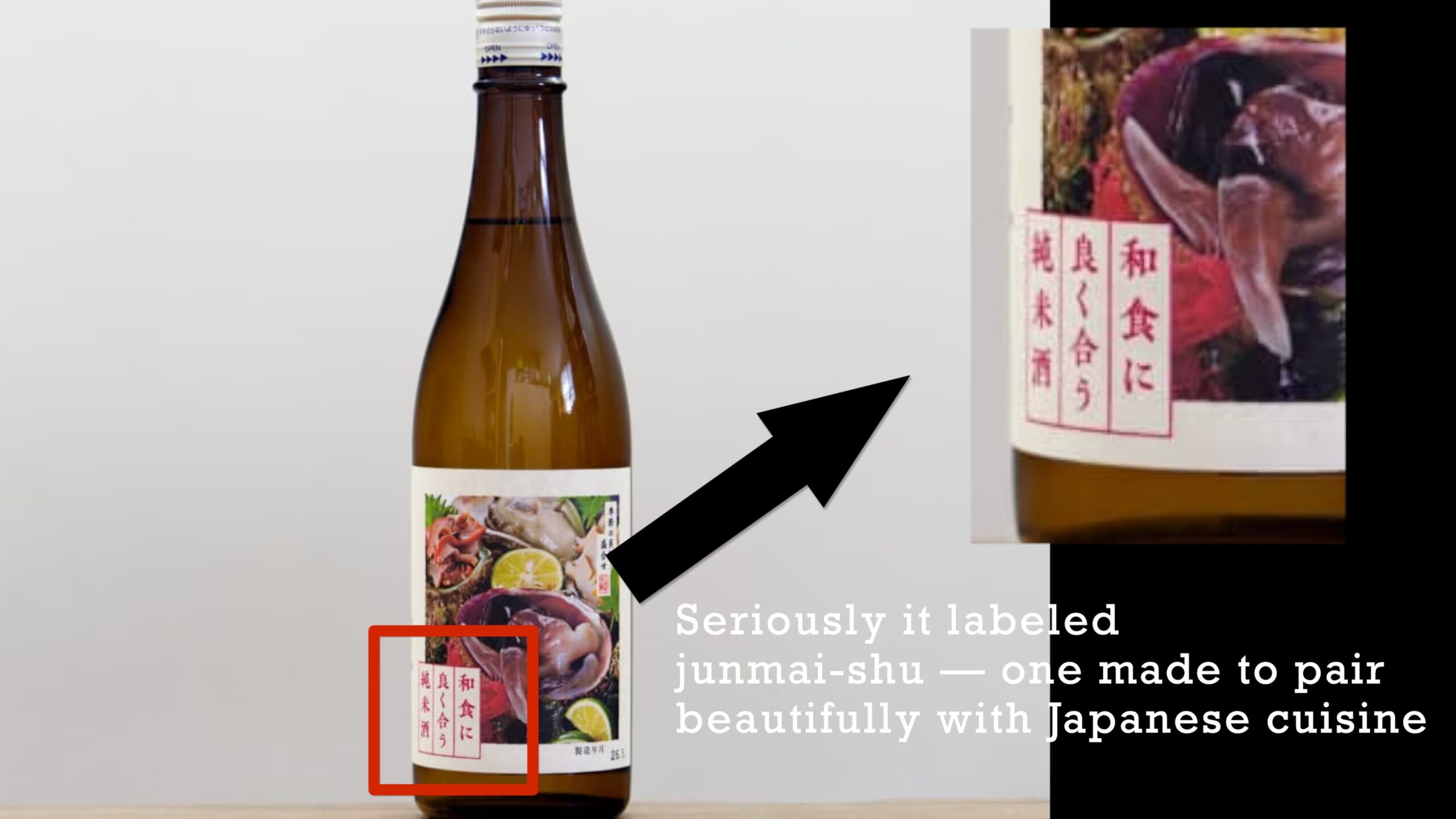
I had their “Sunday Back Nine” in Korea, and more recently picked up a junmai-shu — one made to pair beautifully with Japanese cuisine — at the main branch of Todoroki Sake Shop here in Fukuoka.
The History of the Brewery
The story begins in 1688 — and this year, 2026, marks the brewery’s 338th year.
The business has been passed down through 16 generations of the same family.
In the early days, the brewery’s main product was doburoku — a style of sake rarely made today, unfiltered, heavy with sediment, and known for its sharp acidity and rich body.
It wasn’t until the Edo period that the brewery shifted its focus to seishu, refined clear sake.
In 1921, a massive fire destroyed most of the brewery. Two warehouses survived by chance, and in 1996 — Heisei year 8 — they were designated as nationally registered tangible cultural properties.
(Heisei 8 also happens to be the year I was born. Hehe.)
(Heisei year 8 — they were designated as nationally registered tangible cultural properties.)
Until the 16th-generation owner, Koei Watanabe, joined the brewery in 2001 at his father’s request, the operation was producing twice its current volume — but most of it was futsushu, ordinary table sake.
The brewery was also handling beer distribution at the time, leaving it in an awkward position and struggling financially.
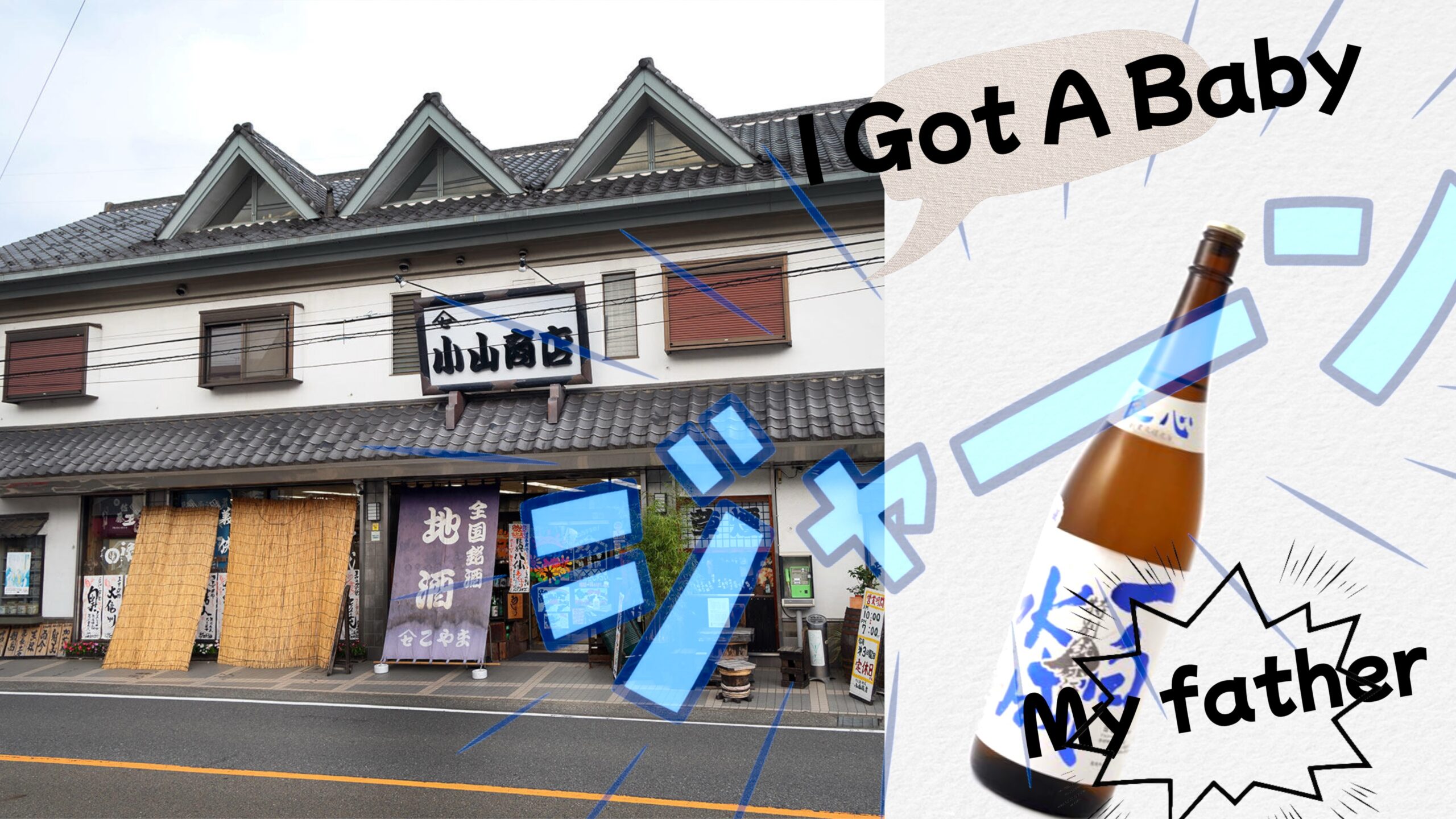
Then one day, at a gathering of Akita breweries where sake was being evaluated by specialist retailers and designers from across the country, Watanabe met someone who would change everything — Mr. Koyama of Koyama Sake Shop.
That encounter would go on to play a defining role in the birth of Ippaku-suisei.
The Birth of Ippaku-suisei
Watanabe visited Koyama Sake Shop — now considered a sacred destination for sake lovers.
For the first time in his life, he witnessed display cases overflowing with sake from every corner of Japan, and customers carefully, deliberately choosing each bottle.
It was, by his own account, a profound shock. “Try making a good sake in a 1.8-liter bottle for under 3,000 yen.” Taking Koyama’s challenge to heart, Watanabe worked alongside his brewery team deep into the night, honing their technique until they had produced a junmai daiginjo milled from Miyamanishiki rice down to 50%.
The sake was sent to Koyama Shop. The reply came back: an additional order for five cases.
That was 2006 — the year Ippaku Suisei was born, and the year Watanabe turned 27.
Ippaku Suisei was originally conceived to meet what the mainstream market wanted: an easy-drinking sake, smooth and gentle going down. But the water that had been used for brewing since the brewery’s founding — the water that flows near the kura — turned out to be not soft water, but a medium-hard water high in magnesium. Watanabe felt this didn’t suit the profile he was aiming for, so in the early days he experimented with tap water and even brought in soft water from outside.
But then came a realization: the reason his ancestors had built the brewery in this particular place was, from the very beginning, because of this water. And so Watanabe made the decision to work with it — to build Ippaku Suisei’s identity around the water that had always been there.
Perhaps that’s why, to my palate, Ippaku Suisei sits in its own category. It’s easy to drink, yes, but there’s a faint acidity to it — a crispness — that sets it apart from the typical easy-drinking yawarakuchi or slightly sweet styles. It has an edge that those softer styles don’t.
I can’t speak for Watanabe himself, but I can’t help thinking that this quality — this distinctiveness — was exactly what he decided to turn into Ippaku Suisei’s signature weapon.
That was 2006 — the year Ippaku Suisei was born, and the year Watanabe turned 27.
Ippaku Suisei was originally conceived to meet what the mainstream market wanted: an easy-drinking sake, smooth and gentle going down. But the water that had been used for brewing since the brewery’s founding — the water that flows near the kura — turned out to be not soft water, but a medium-hard water high in magnesium. Watanabe felt this didn’t suit the profile he was aiming for, so in the early days he experimented with tap water and even brought in soft water from outside.
But then came a realization: the reason his ancestors had built the brewery in this particular place was, from the very beginning, because of this water. And so Watanabe made the decision to work with it — to build Ippaku Suisei’s identity around the water that had always been there.
Perhaps that’s why, to my palate, Ippaku Suisei sits in its own category. It’s easy to drink, yes, but there’s a faint acidity to it — a crispness — that sets it apart from the typical easy-drinking yawarakuchi or slightly sweet styles. It has an edge that those softer styles don’t.
I can’t speak for Watanabe himself, but I can’t help thinking that this quality — this distinctiveness — was exactly what he decided to turn into Ippaku Suisei’s signature weapon.
Closing Thoughts
This is only my second time drinking Ippaku Suisei by the bottle. When a sake hits my sweet spot, I can finish a whole bottle in a single day. Recently, Kinsuzume Junmai Daiginjo did that to me, and so did Kudoki Jozu Jr. Hakutsuru Nishiki. The Sunday Back Nine I had in Korea didn’t quite reach that level — it didn’t pull me in hard enough to drain in one sitting. But it had something. A quiet, lingering charm I couldn’t fully shake. Easy to drink on its own, and yet somehow incomplete without food. Pair it with a meal, and suddenly both the sake and the dish elevate each other. That’s the kind of sake it is.
Every label in the Ippaku Suisei lineup has a name that sounds genuinely cool — it makes you want to work through all of them. Though doing that bottle by bottle might be a bit much. If I ever walk into a nihonshu izakaya and find them pouring multiple varieties by the glass, I’m declaring that night an Ippaku Suisei night and going through the whole lineup.
One More Thing
Fukurokuju — the sake the brewery has been making since its founding — is still in production and available today.
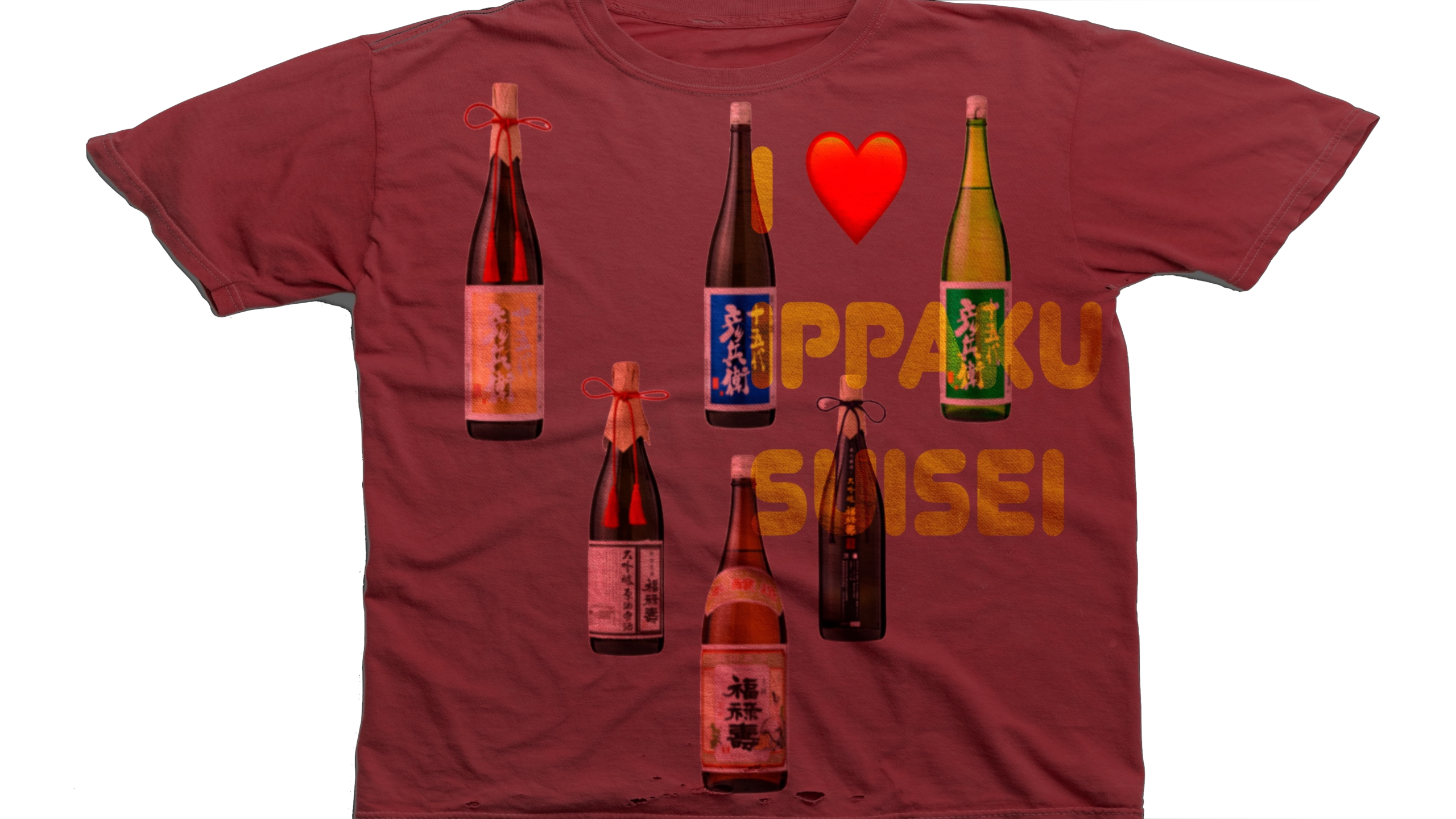
(An Ippaku Suisei T-shirt.) (Just kidding — made it up just now.)
I’m not sure whether you can get it outside of Akita Prefecture, but wanting to taste a sake that’s been made for over 300 years — any nihonshu fan would feel exactly the same way.
Sources: https://www.fukurokuju.jp/history/ (History) https://tsugaruvidro.jp/story/sake/sakeakita/sakeakita002.html (The Birth of Ippaku Suisei)