

Abe (あべ): One of the Very Few Sake Brands You Can Read with Only Hiragana Knowledge.
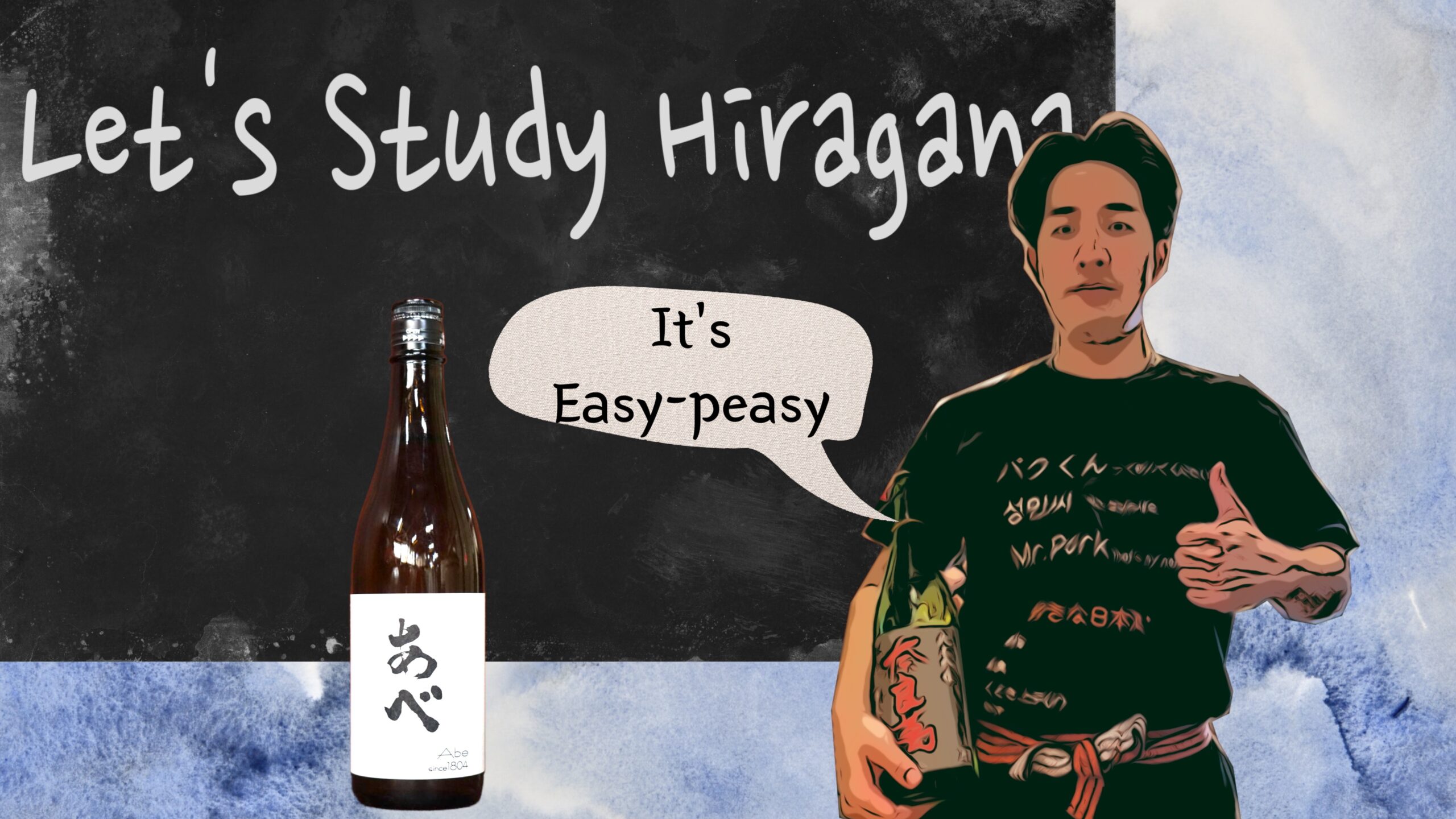
Most sake labels are written in kanji, and many use uncommon characters or unusual pronunciations. As a result, even native Japanese speakers sometimes struggle to read them.
But the sake I want to introduce today is different. Even someone who has just started learning Japanese can pronounce its name.
That sake is Abe (あべ).
It is brewed by Abe Shuzo, a brewery located near the coast in the city of Kashiwazaki, in Niigata Prefecture.
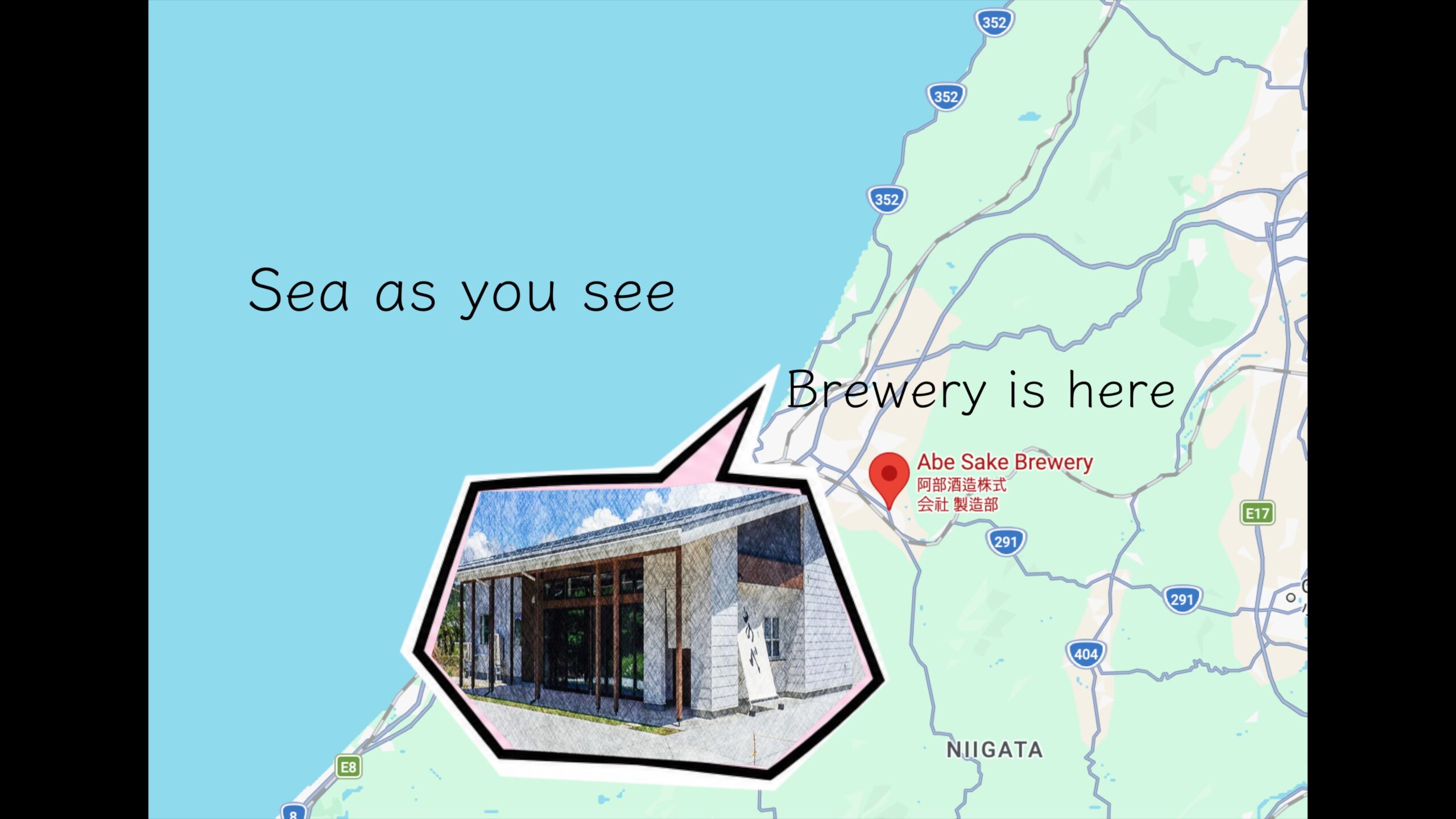
Like many breweries in Niigata, its history stretches back more than 200 years. Founded in 1804, Abe Shuzo spent generations producing a sake brand called Koshi no Otokoyama.
The modern flagship brand, Abe, was launched in 2015 by the brewery’s current sixth-generation owner, Yuta Abe.
(Coincidentally, that was the same year I entered nursing school. Had I been born in Japan, I might have been drinking Abe instead of Chamisul.)
Before Yuta Abe returned to the brewery, however, the business was facing severe financial difficulties. Without significant change, the future looked bleak, and even closure seemed like a real possibility.
Faced with that reality, Abe answered the call of the family brewery, returned home, and took over as kuramoto, the brewery owner.
“If I had come back three years later, our brewery would have collapsed.”
Those were the words Abe shared in an interview while reflecting on that period.
So, what did Abe Shuzo do to bring the brewery back from the brink?
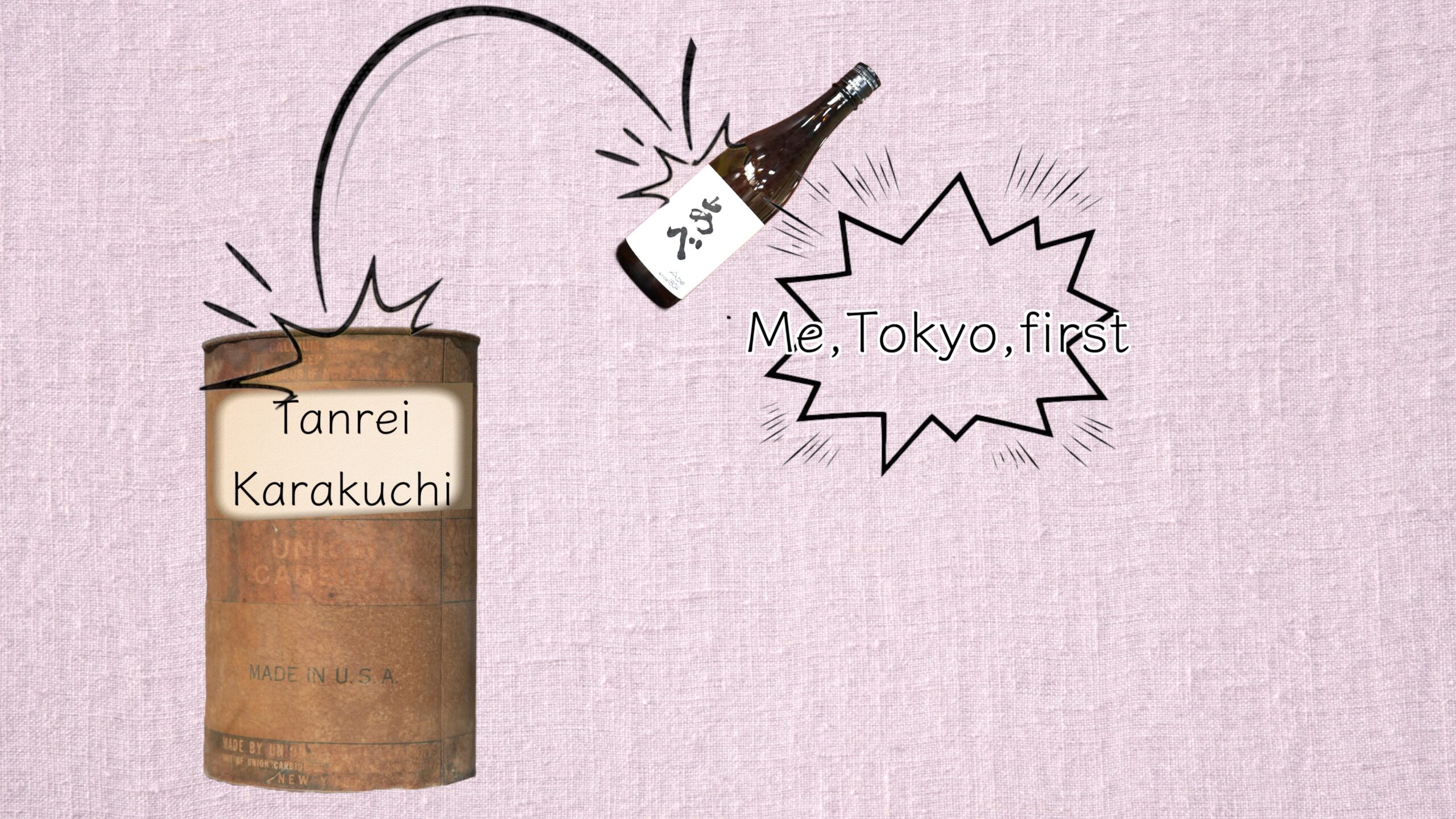
The first step was breaking away from Niigata’s traditional style of tanrei karakuchi—light, clean, and dry sake.
Abe believed that “sake you don’t genuinely find delicious won’t sell.” Acting on that conviction, he stopped producing the brewery’s conventional tanrei karakuchi sake and began brewing sake with a touch more sweetness and acidity.
The brewery also shifted its sales focus from Niigata Prefecture to Tokyo.
In fact, I recently wrote about another brewery that followed a very similar strategy.
That brewery is Akabu from Iwate Prefecture, a brand that has become increasingly popular among younger drinkers. Like Abe, Akabu expanded aggressively into the Tokyo market and built its reputation there.
Tokyo is where more money flows than anywhere else in Japan—but it is also where competition is at its fiercest.
To survive in such an environment, Abe personally visited sake retailers throughout Tokyo, knocking on doors and building relationships one store at a time.
Of course, sake shops and restaurants did not immediately agree to carry Abe Shuzo’s products.
There were several reasons for this, but one often-cited factor was the brewery’s original flagship brand name: Koshi no Otokoyama.
Names such as “Koshi no” and “Otokoyama” are commonly found in the sake world, and the brand name was said to sound like a combination of familiar sake naming conventions. As a result, it struggled to stand out in the highly competitive Tokyo market.
At the same time, other young breweries targeting Tokyo—such as Akabu Shuzo and Kamonishiki Shuzo—were beginning to gain momentum and attract attention.
Watching fellow breweries receive positive recognition while his own efforts produced limited results could easily have discouraged Abe.
Yet, like many breweries that eventually achieved success, he refused to abandon his ambitions in Tokyo.
Through persistence, hard work, and a few fortunate connections, Abe was able to launch the Abe Series, a lineup that reflected his vision for the future of sake.
What began as an attempt to win over Tokyo eventually grew into a brand recognized by sake enthusiasts across Japan.
The Abe Series that we can enjoy today is the result of that journey—and its lineup is surprisingly diverse.
Trying to understand every bottle individually often means jumping between multiple websites and sources.
So, let’s take a closer look at the various expressions that make up the Abe Series.
Abe Shuzo Lineup
Abe Series
(A defining feature of the entire series is that all expressions are released as genshu, or undiluted sake.)
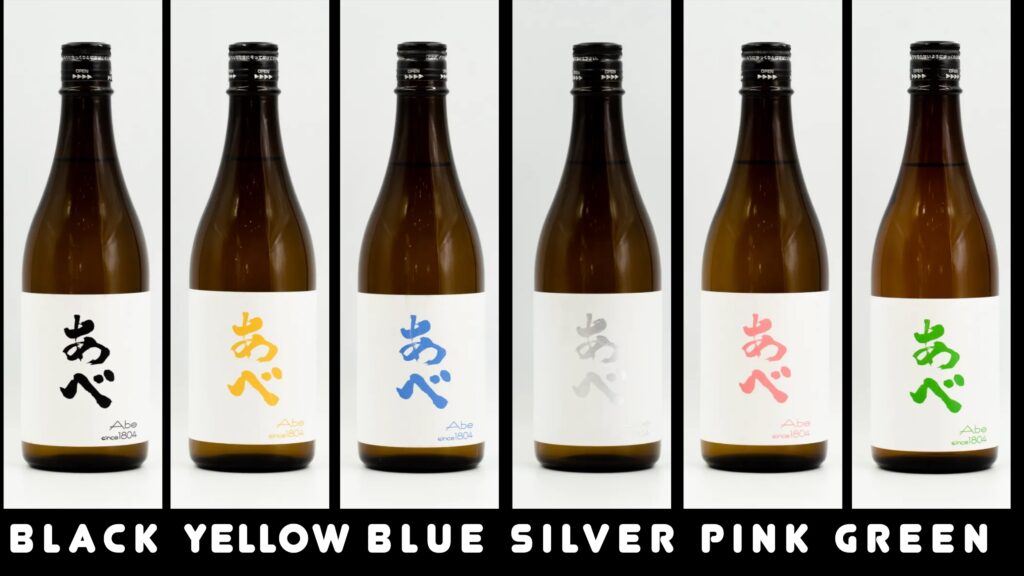
1. Abe Black
An Abe Series release with a polishing ratio of 80%, offering a well-balanced combination of rice flavor and acidity.
Each storage tank develops slightly different characteristics, giving every batch its own personality.
The rice variety changes from year to year, but all rice is sourced from Niigata Prefecture.
2. Abe Yellow
Fresh and clean in style, with a pleasant touch of acidity.
It is brewed using Ipponjime, a sake rice grown in Nagaoka City, Niigata Prefecture.
3. Abe Blue
The summer seasonal release of the Abe Series.
Like many summer sakes, it emphasizes a crisp, refreshing, and dry drinking experience.
Made with rice from Niigata Prefecture.
4. Abe Silver
Known for being cleaner and brighter than Abe Black, with a more pronounced acidity.
Different rice varieties are used each year, though all are sourced from Niigata Prefecture.
Like Black, subtle flavor differences can be found between individual storage tanks.
5. Abe Pink
Personally, I find this to be the cutest bottle in the Abe lineup.
(Granted, the main difference is the label color—but somehow that makes a bigger impact than you’d expect.)
It delivers a juicy profile while maintaining enough acidity and alcoholic structure to function well as a food-friendly sake.
This is an origarami namazake, containing fine lees and bottled unpasteurized.
6. Abe Green
Made using Rakufumai, a sake rice developed with the participation of Hara Shuzo, another brewery located in Kashiwazaki City, where Abe Shuzo is based.
It offers gentle umami and refreshing acidity.
Premium Line
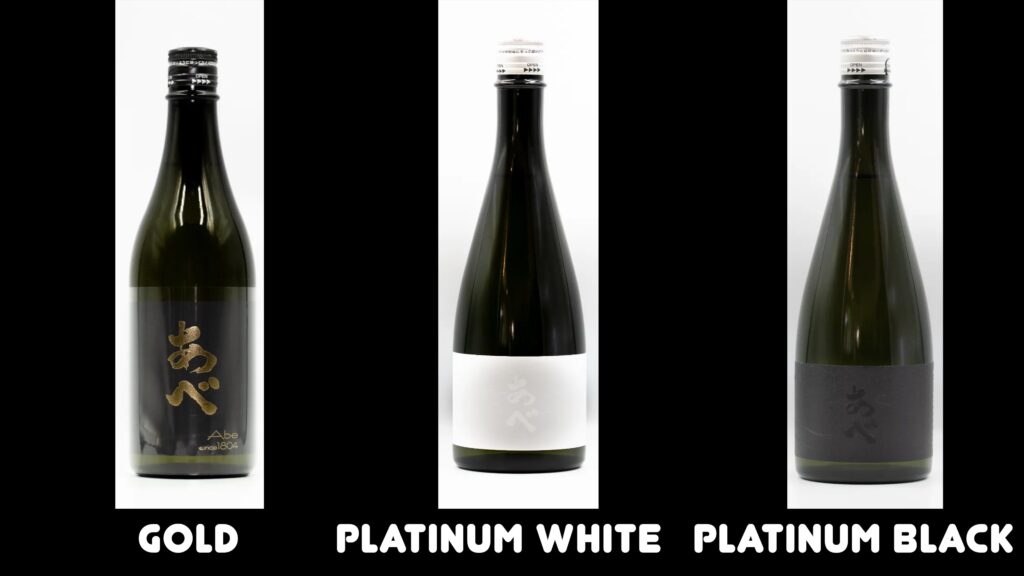
7. Abe Gold
A premium sake with a name that sounds exactly as luxurious as its price suggests.
Like Green, it uses Koshikagura, a sake rice developed with the participation of Hara Shuzo.
Released as a limited-edition Junmai Daiginjo with a polishing ratio of 45%.
Its signature feature is a rich, juicy flavor that fills the palate.
8. Abe Platinum White
The naming is starting to sound a little like an iPhone Pro color lineup.
It is brewed from Niigata sake rice polished down to 45%.
Expect a clean, elegant, and refreshing drinking experience.
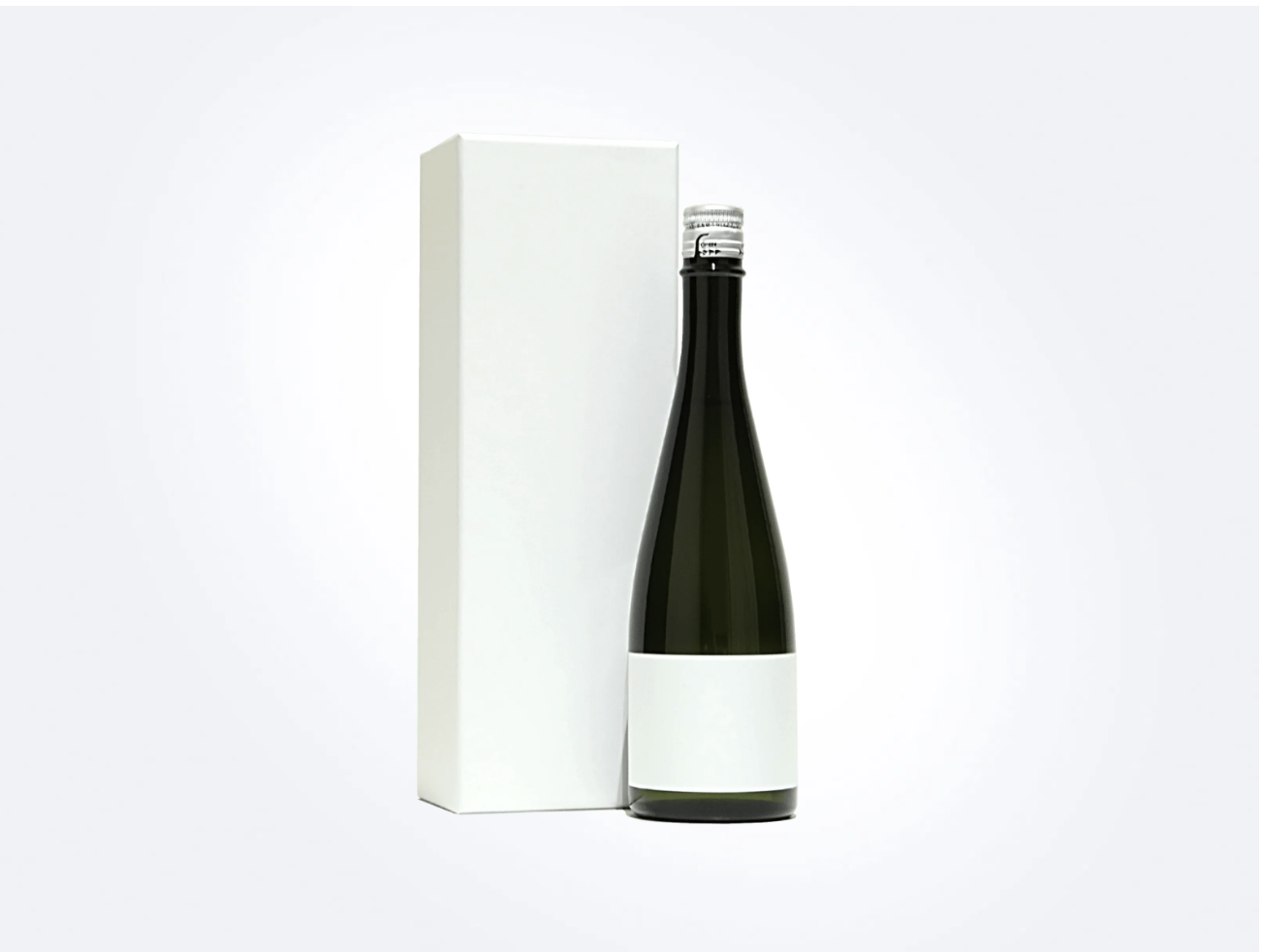
Just look at that premium packaging.
It makes an ideal gift or a bottle for a special occasion. The price is ¥16,500 (tax included).
Judging by the attention given to the presentation box, it seems the brewery wanted to create not only a premium sake but also an exciting unboxing experience. It might even deliver a feeling similar to opening a new iPhone for the first time.
(Though, to be fair, I haven’t actually tried it myself.)
9. Abe Platinum Black
Built around elegant fruit-forward aromas, with a finish highlighted by refreshing notes reminiscent of ramune soda.
This premium sake is brewed from Niigata-grown rice cultivated in Abe Shuzo’s own fields and polished down to 45%.
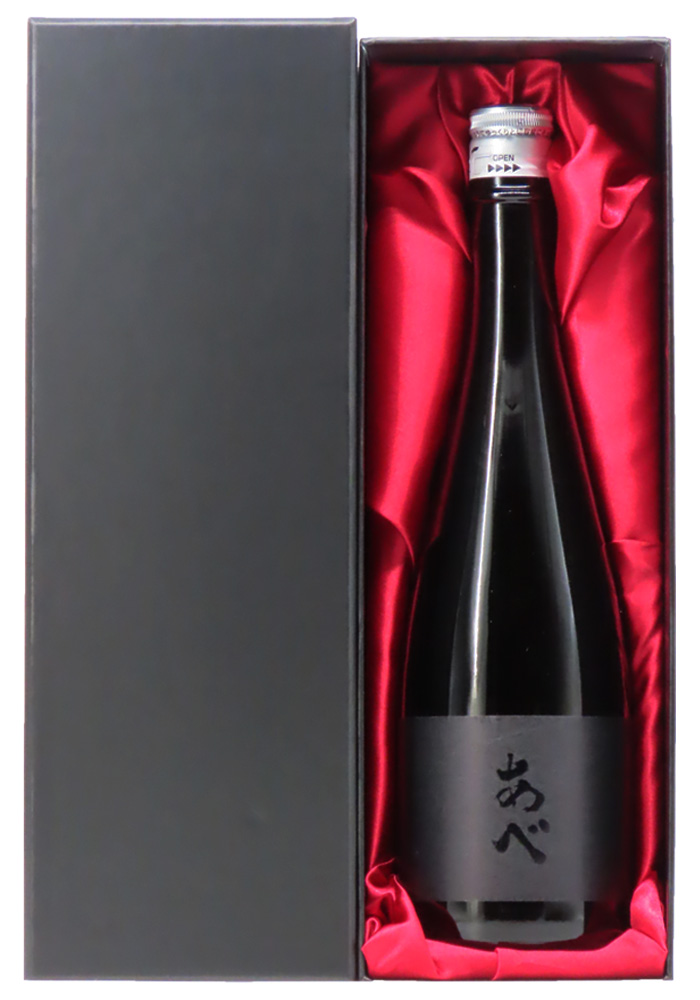
As with the Platinum White, considerable attention has also been given to the packaging.
★ (Star) Series
One of the defining features of the Star Series is that the label showcases a photograph of the very rice field where the sake rice was grown.
A distinctive feature of the ★ (Star) Series is that the rice polishing ratio is undisclosed for all releases.
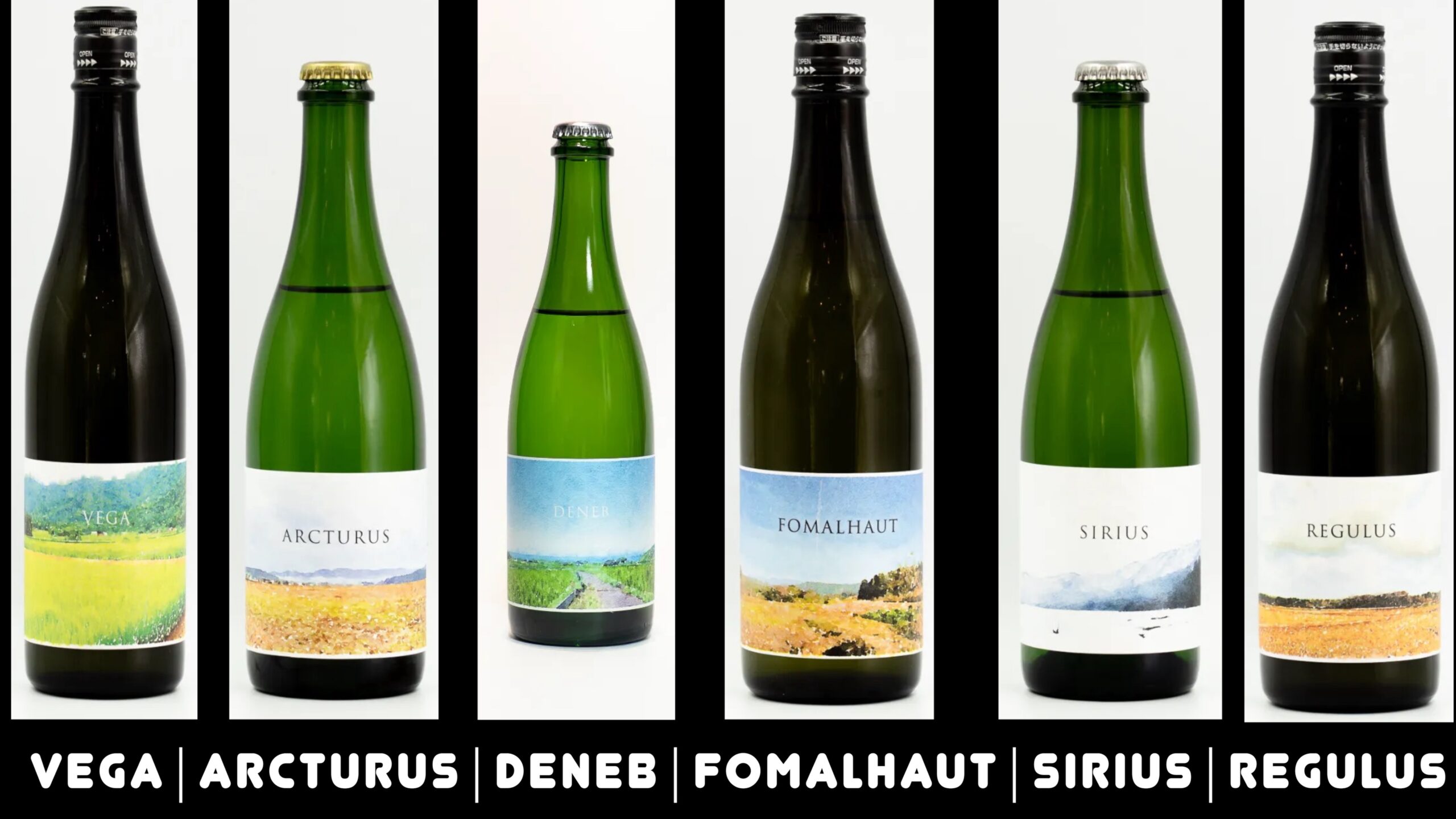
1. Vega
Vega retains the character of traditional sake while offering a light and smooth drinking experience.
It is typically released as a pasteurized sake, but at special events it is sometimes offered as a freshly drawn, unfiltered namazake.
(Definitely a bottle I’d love to try.)
2. Arcturus
A sparkling sake released in a 500ml bottle.
Its flavor profile is often compared to strawberries, giving it a bright and fruit-forward character.
It is made using rice grown in Niigata Prefecture.
3. Deneb
Deneb is brewed using Shunyo, a table-rice variety rather than a conventional sake rice.
I had never encountered this rice before, but it turns out to be a low-protein variety developed for people who have difficulty processing dietary protein.
The sake features muscat-like aromas and a clean, refreshing finish.
4. Fomalhaut
As a kijoshu, its defining characteristic is a rich and pronounced sweetness.
It is made with rice from Niigata Prefecture.
Like Vega, the standard release is pasteurized, but event-exclusive versions are occasionally sold as freshly drawn, unfiltered namazake.
(Another one I’d love to taste someday.)
5. Sirius
A sparkling sake produced through secondary fermentation inside the bottle, resulting in lively carbonation.
As is often the case with bottle-fermented sparkling sake, opening it can take quite a while.
(If you’re impatient, you can open it quickly—but be prepared to lose about half the bottle to foam.)
With balanced acidity and a crisp finish, it is often enjoyed both as an aperitif and alongside food.
Among the Star Series lineup, this is personally my favorite label design.
6. Regulus
Regulus is known for its bright acidity derived from citric acid.
Like Vega and Fomalhaut, it is sometimes offered at events as a freshly drawn, unfiltered namazake version.
(And yes, I’d love to try this one too.)
Hojobetsu (Single-Field) Series
This series is brewed exclusively with rice grown by farmers in Kashiwazaki City, where Abe Shuzo is located.
Created as a collaborative project with local farmers, the lineup highlights the unique characteristics of rice grown in different fields within the same region. It is a series that celebrates both local agriculture and the connection between brewery and farmer.
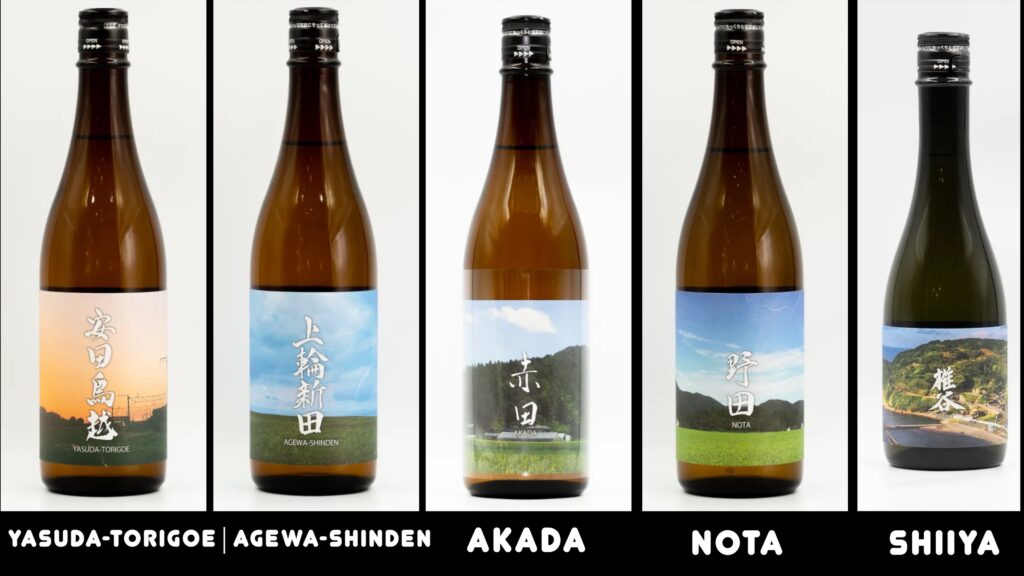
1. Yasuda-Torigoe
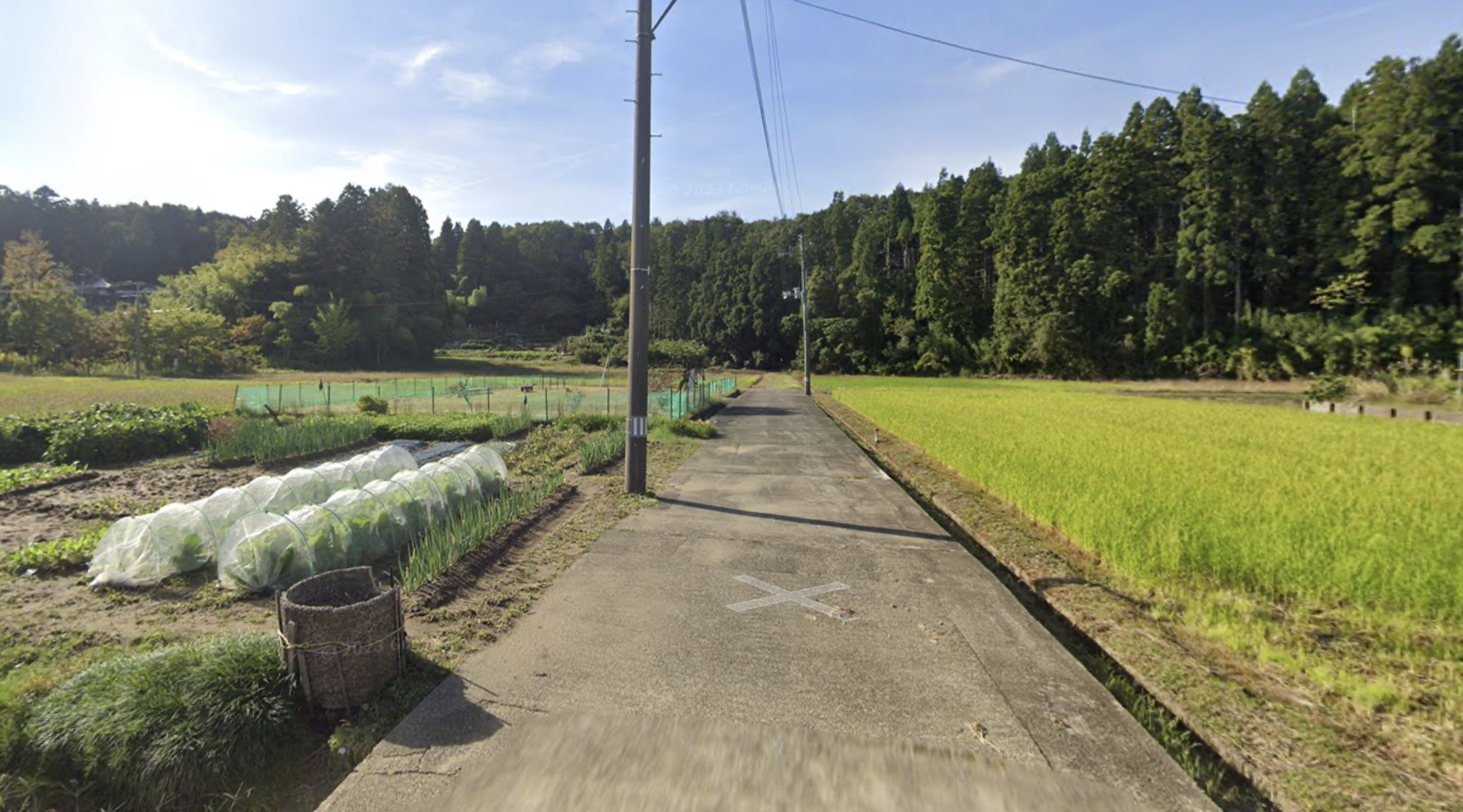
As the name suggests, this sake is brewed using rice grown in the Yasuda and Torigoe districts.
Within the regional series, it takes the position of the “village” member.
The naming gives me the impression that it was chosen somewhat like an idol group’s member name.
The person responsible for growing the rice is a former employee of Abe Shuzo, who later became responsible for rice production for the brewery.
(Quoted from the official website.)
Since the fermentation period and alcohol content vary from year to year, it may be fun to drink it each year and see what memories of previous vintages come back to mind.
The rice polishing ratio is 80%.
2. Agewa-Shinden
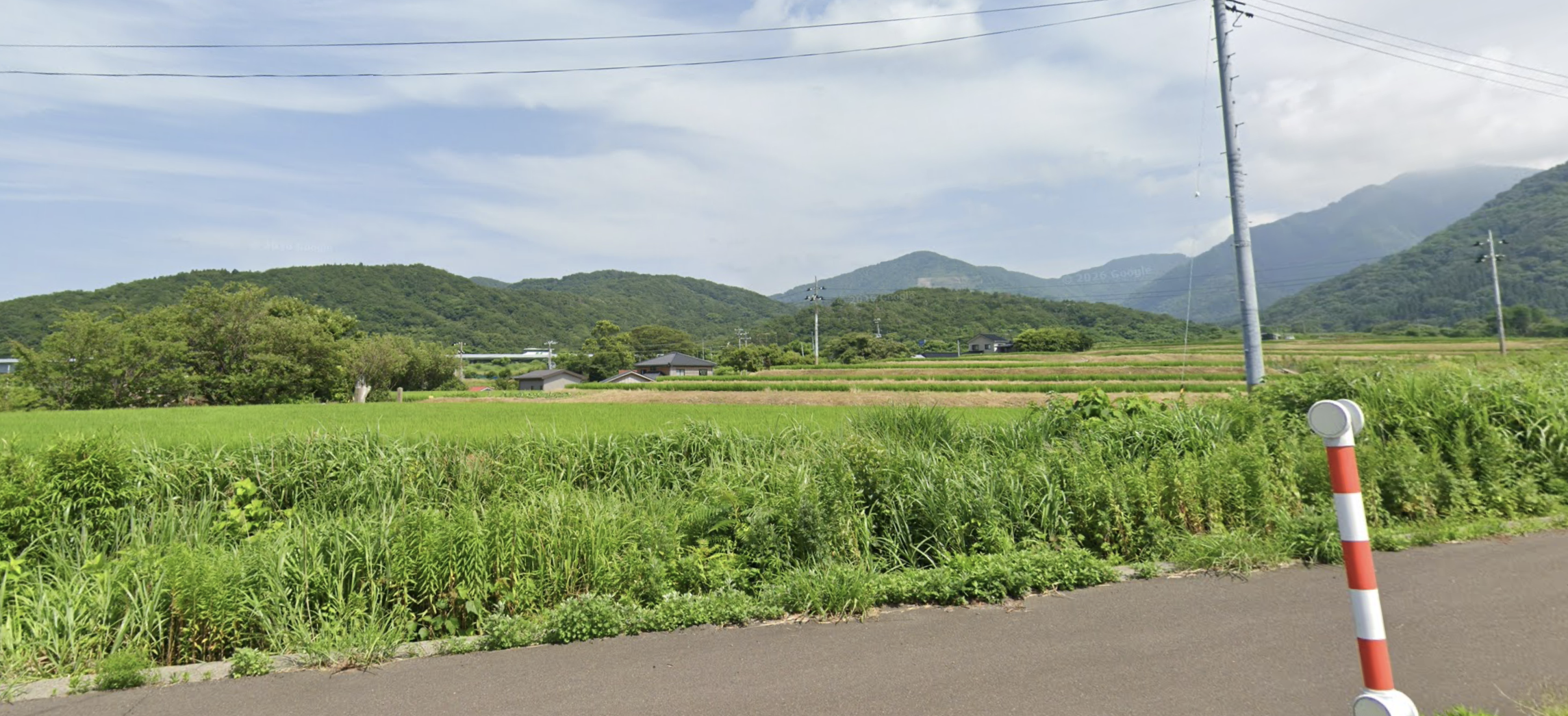
This label is brewed using rice grown in the Agewa and Shinden areas.
Within the regional series, it takes the position of the “sea” member.
The area has mountains behind it and the sea in front, making it particularly susceptible to salt damage from sea air. However, thanks to the skilled cultivation techniques of the contracted farmers, concerns about such damage are said to be close to zero.
The rice polishing ratio is 80%.
The fermentation period and alcohol content vary from year to year.
3. Akada
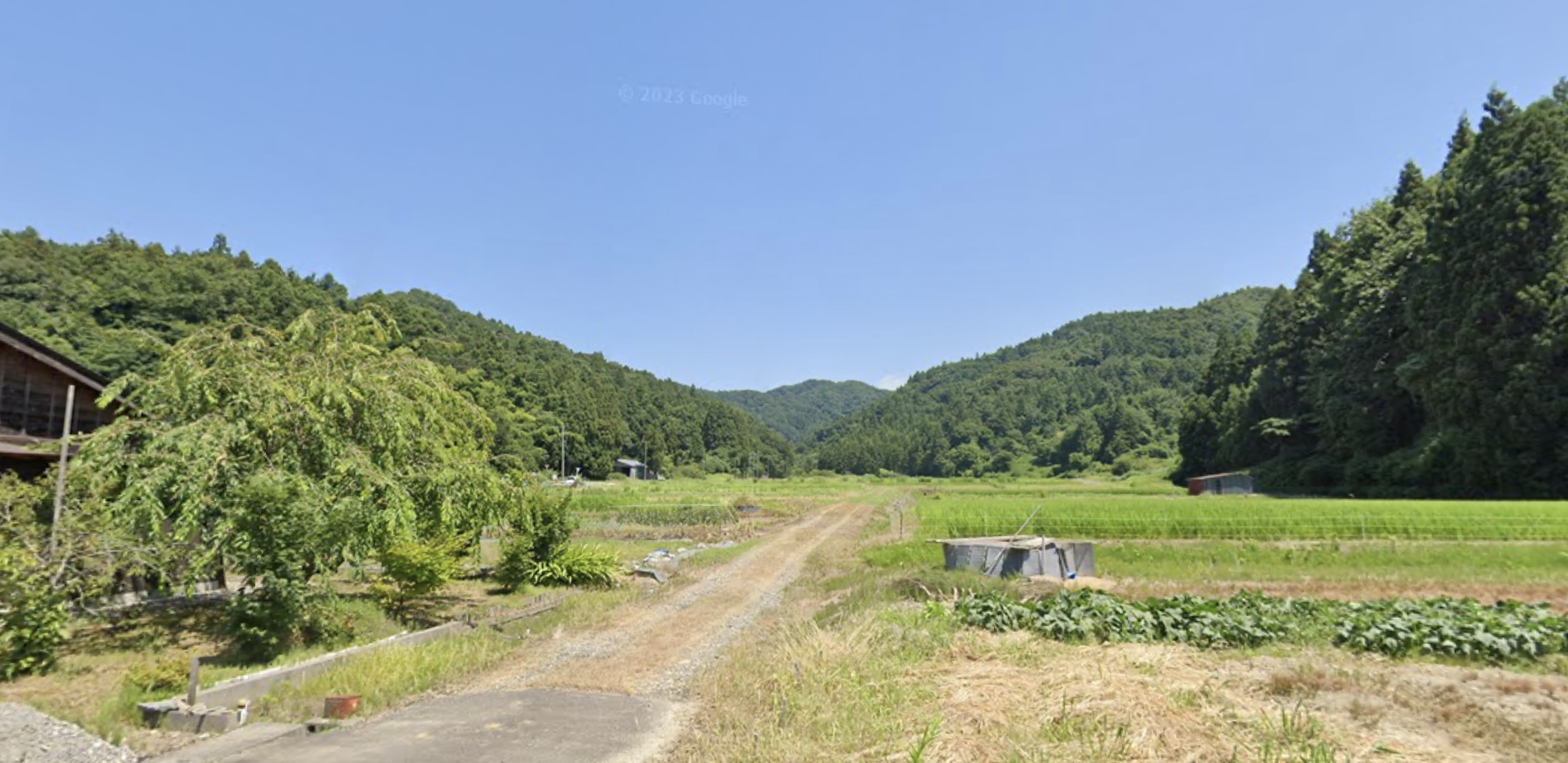
This label is brewed using rice grown in the Akada area.
Within the regional series, it takes the position of the “town” member.
Like the other releases in the regional series, the rice polishing ratio is 80%.
The fermentation period and alcohol content vary from year to year.
4. Nota
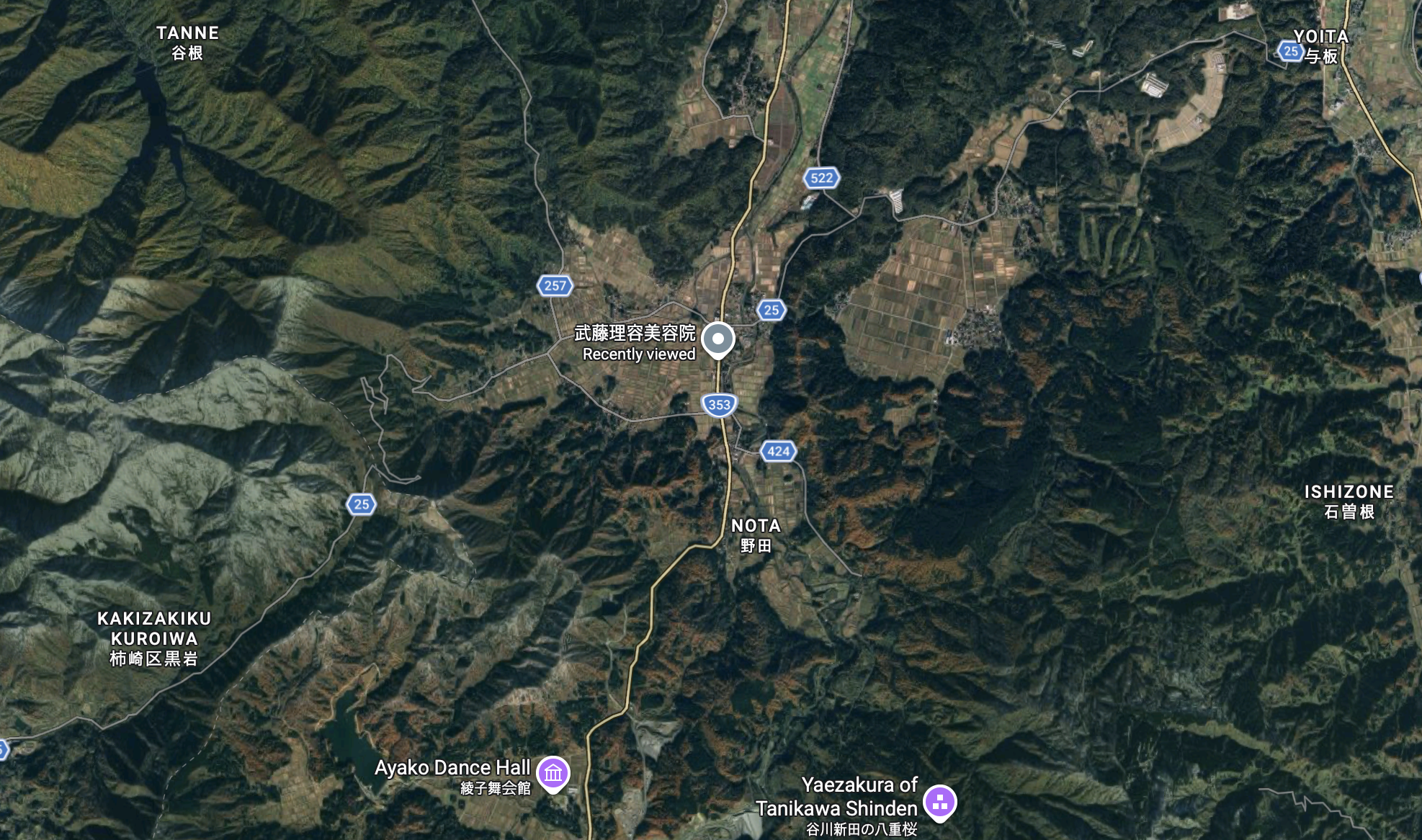
This label is brewed using rice grown in the Nota area, a district located deep in the interior of Kashiwazaki City.
As you can see from the photos, the area is surrounded by extremely rugged mountains. For that reason, it takes the role of the “mountain” member within the regional series.
The rice polishing ratio is 80%.
The alcohol content and fermentation period vary from year to year.
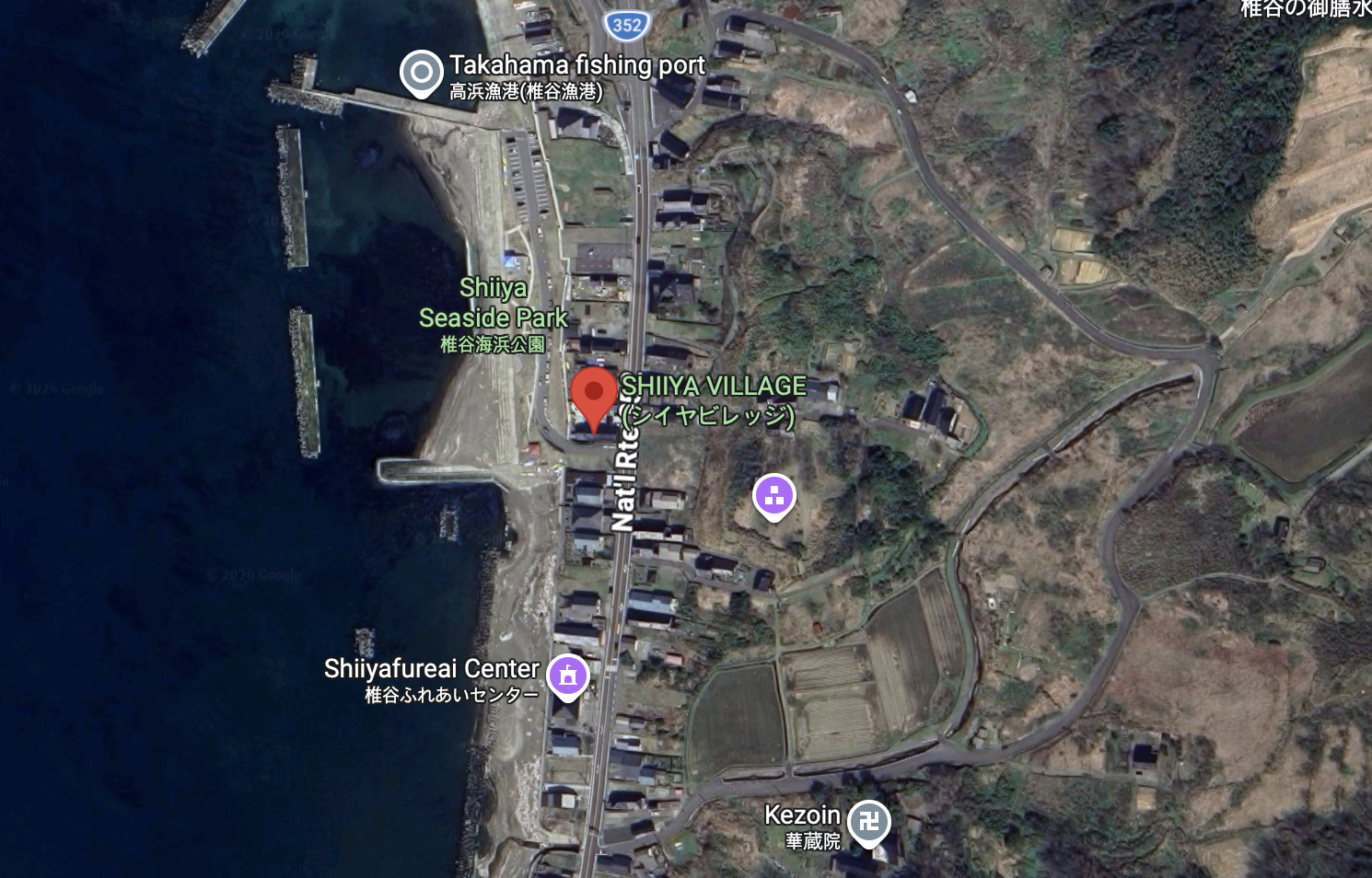
This is a spin-off product from the Regional Series.
Rather than being brewed with rice grown in the Shiiya area, it was created in collaboration with the people behind Shiiya Village, a sauna facility located in the Shiiya district.
The lineup consists of two versions: Alpha and Beta.
Both are brewed using water from the same source that supplies the sauna facilities.
Alpha uses moderately hard water and is designed as a dry style with a clean, crisp finish.
Beta is characterized by extremely high acidity and is recommended for those who actively seek tart or sour flavors.
On the other hand, if you’re simply looking for an easy-drinking sake, I’d suggest trying one of the other labels introduced above instead.
(Quoted from the retailer’s product description.)
Abe Shuzo offers several other products as well, but most of them are collaboration releases or limited special editions.
If you’d like to explore them further, I recommend checking the second source listed below—the official Abe Shuzo website.