
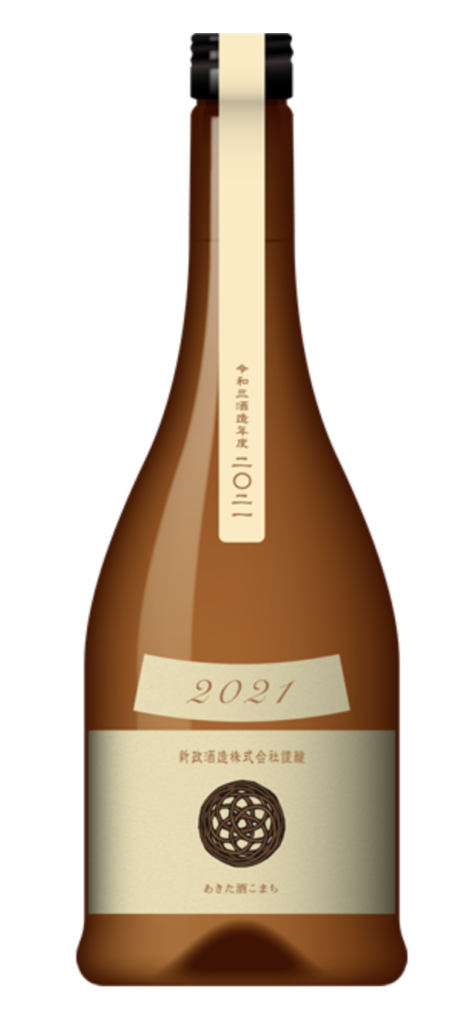
Sakagura Miyamoto eleventh Sake - Aramasa(新政)

History

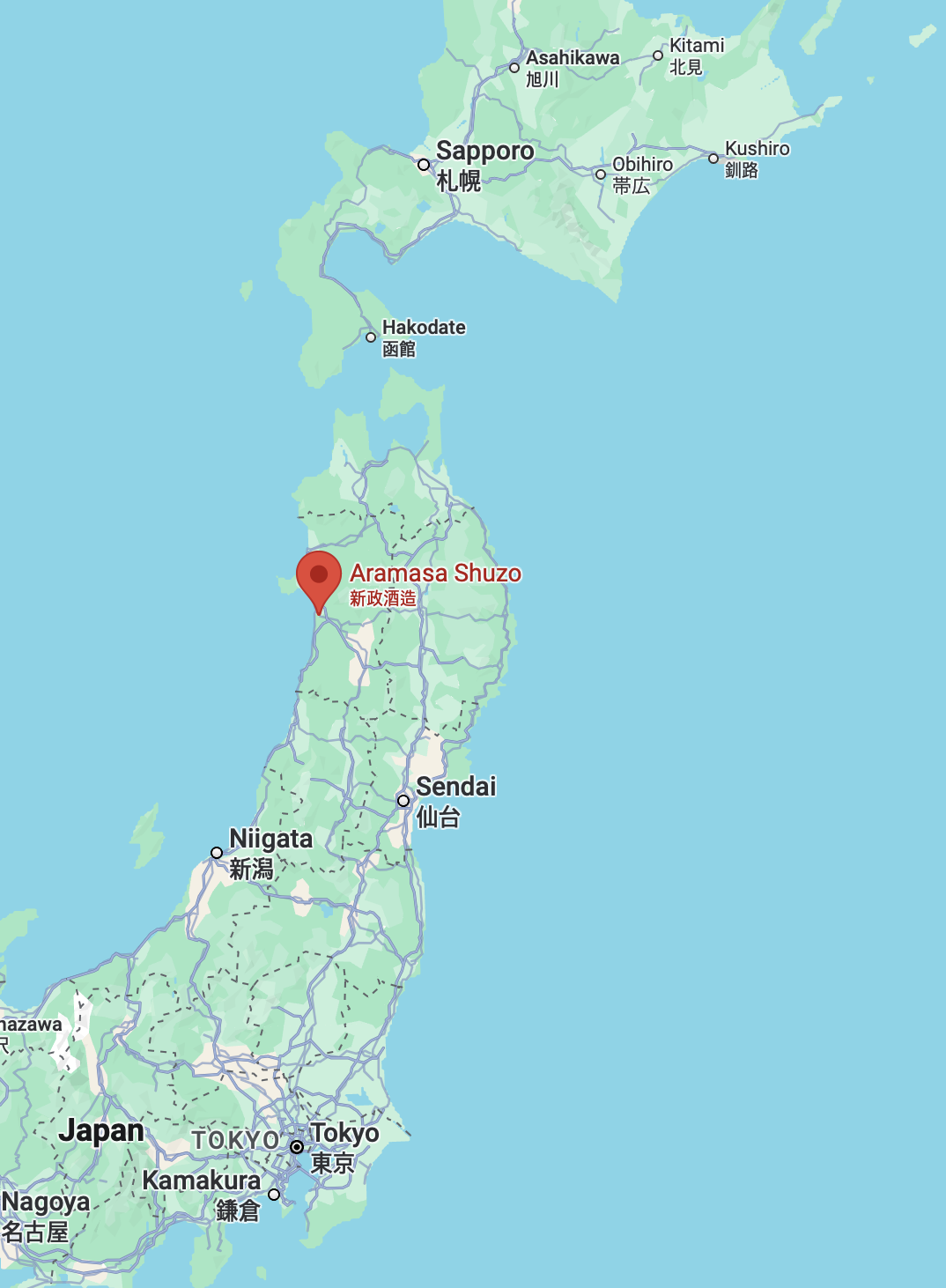
Aramasa Shuzo, founded in 1852 along the coastal area of Akita City, Akita Prefecture.

Today, the brewery is led by Yusuke Sato, the eighth-generation kuramoto to carry on the family tradition.

• sapporo

A yeast discovered inside a brewery approximately 100 years ago was adopted as Association Yeast No. 6, and it remains the oldest association yeast still in use today.

(Yeasts No. 1 through 5 are no longer distributed. No. 1, 2, and 5 lost their lineage during World War II, while No. 3 and 4 decomposed and were lost while in storage at the association.)

The discovery of No. 6 yeast, alongside No. 7, played a pivotal role in redirecting the course of fermentation and brewing. When yeasts No. 1 through 5 were discovered, the prevailing trend in brewing was short-term aging at high temperatures. With the arrival of No. 6 and No. 7, however, the industry shifted toward the current approach of low-temperature, long-term aging.

Aramasa Shuzo: Past to Present

Aramasa Shuzo has passed through many distinct eras.

The era of recognition — Beginning in 1935, they introduced Association Yeast No. 6 to the world and won back-to-back first place at the National New Sake Appraisal.

The wartime era — Due to liquor tax reforms brought on by World War II, they were essentially forced to abandon junmaishu and add distilled alcohol to their sake.

The era of crisis — After the war ended, the brewery was engulfed in a major fire and faced the very real possibility of closing.

The era of collapse — When Japan’s bubble economy burst, sales plummeted sharply.

The era of accumulated losses — When current kuramoto Yusuke Sato returned to the brewery in 2007, it had been running at a deficit for 12 consecutive years.

The era of team breakdown — The brewing team that had worked together for three years starting in 2008 dissolved due to an extreme workload, and an entirely new team had to be assembled.

The era of upheaval — Transitioning all products to junmaishu — sake containing no added brewer’s alcohol — triggered a sharp drop in sales and significant internal conflict.

The era of commitment — Alongside brewing exclusively junmaishu, Aramasa made the decision to use only No. 6 yeast across all products, and to abandon sokujō — the method used by most modern breweries — in favor of traditional techniques such as kimoto and kioke-jikomi.

Sokujō (速醸): A fermentation method in which lactic acid is added artificially to accelerate fermentation. It is the most modernized brewing method in common use.

Kioke-jikomi: The practice of storing sake in wooden tanks rather than stainless steel. As with oak barrels, oxygen enters through the fine grain of the wood and interacts naturally with the yeast.

Kimoto: The most traditional sake fermentation method. Natural lactic acid combines with mashed rice and ferments organically, without any artificial intervention.

Having passed through all of these eras, Aramasa Shuzo has become the most celebrated brewery in Japan.

More than any other brewery, they wield traditional methods and regional identity as their defining weapons — and yet the sake they produce is modern, experimental, and made to be loved by anyone who tries it.

Aramasa Shuzo’s Sake Lineup

Aramasa Shuzo operates under three main labels: Colors, No. 6, and Private Lab. Here is what defines each:

Colors

A hi-ire (pasteurized) series crafted to let you experience the full flavor of Akita Prefecture’s sake rice varieties.

screenshot 2026 04 07 at 9.40.40 pm
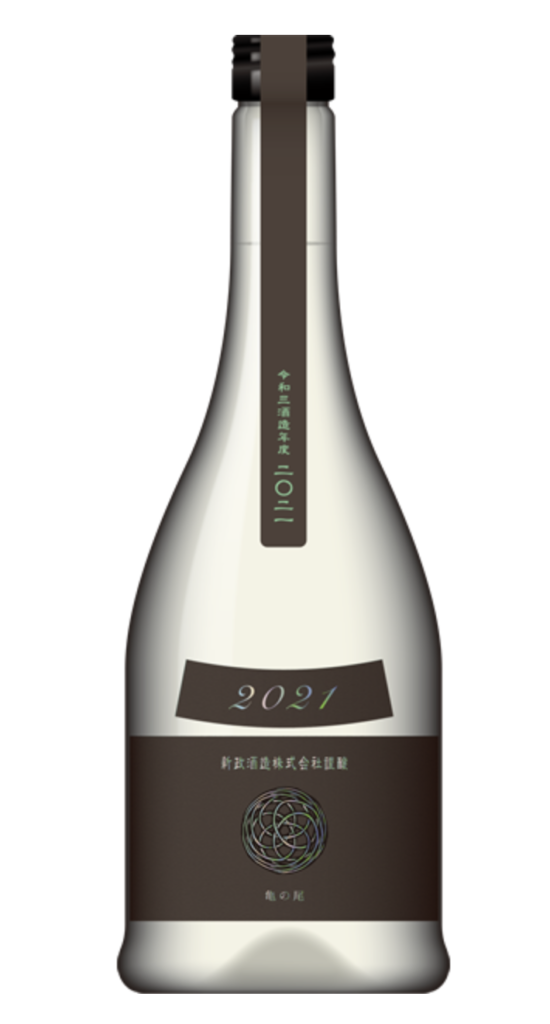
1. Ash(アッシュ)
screenshot 2026 04 07 at 9.42.05 pm
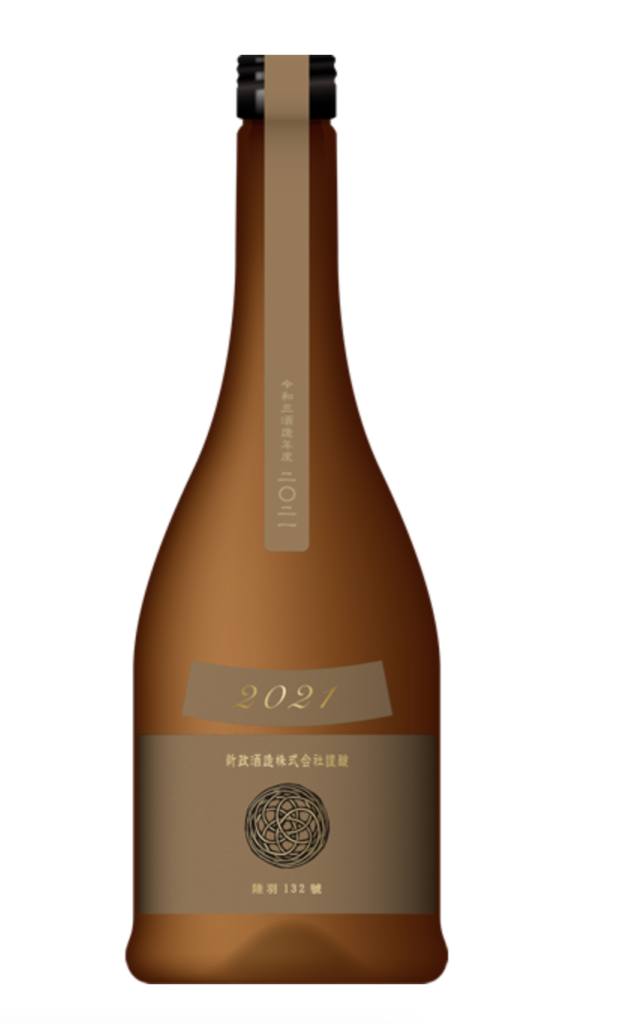
2. Earth(アース)
screenshot 2026 04 07 at 9.48.14 pm
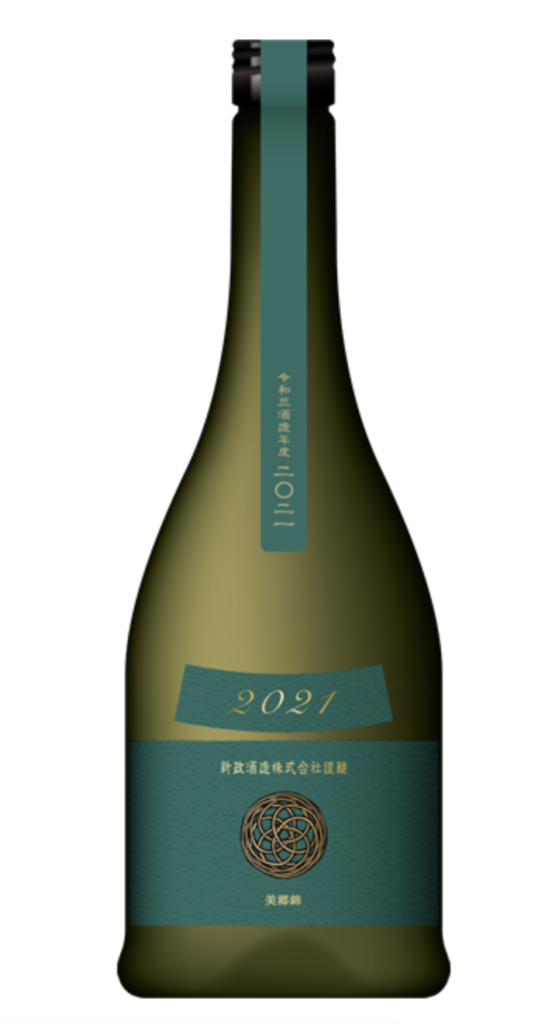
3. viridian(ヴィリジアン)
screenshot 2026 04 07 at 9.48.22 pm
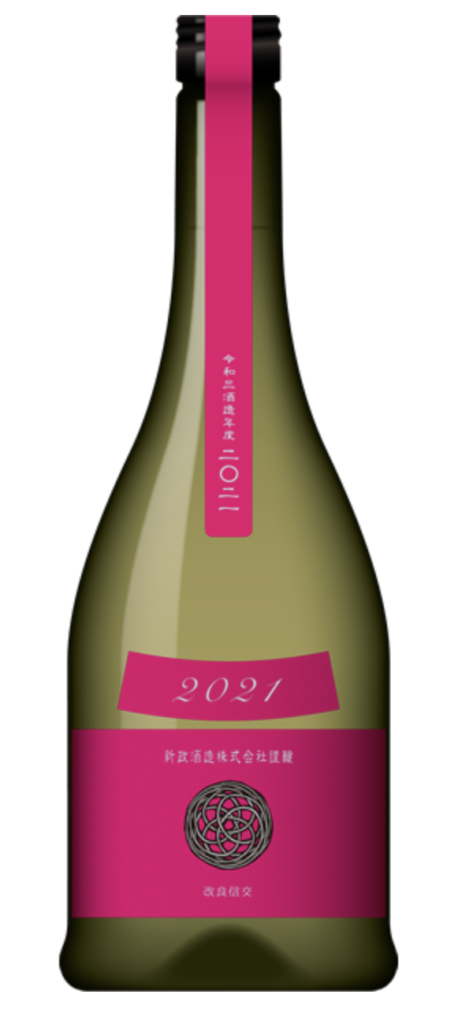
4. cosmos(コスモス)
screenshot 2026 04 07 at 9.48.29 pm
5. Ecru(エクリュ)

Here’s the English translation:


1. Ash  — Rice used: Kame-no-o (亀の尾)

2. Earth  — Rice used: Rikuu No. 132 (陸羽132号)

Rikuu was born in Akita Prefecture from a cross between Kame-no-o (亀の尾) and Aikoku (愛国).

3. Viridian — Rice used: Misato Nishiki (美郷錦)

Misato Nishiki was born in Akita Prefecture from a cross between Yamada Nishiki (山田錦) and Miyama Nishiki (美山錦).

4. Cosmos — Rice used: Kairyō Shinkō (改良信交)

Kairyō Shinkō is a brewing-suitable rice of the Kame-no-o lineage, selected from Takane Nishiki (たかね錦) in Akita Prefecture. It is notoriously difficult to cultivate, earning it a reputation as a phantom sake rice. Though it is related to Miyama Nishiki as a sibling variety, the two are completely different in character. Where Miyama Nishiki gives a firm, structured impression, this rice carries a soft and gentle flavor.

5. Écru — Rice used: Sake Komachi (Akita Prefecture)

Here it is — my personal favorite label in the Colors lineup. Within Aramasa Shuzo’s Colors series, this is also considered the most entry-level expression, and the brewery has said it is the one they hope the greatest number of people will have a chance to try.

No.6

Here’s the translation:


Aramasa Shuzo’s only namazake lineup — crafted with the intention of letting you experience the character of No. 6 yeast as fully and directly as possible.

Unlike Colors, the sake rice is not fixed to a specific variety, and changes with each season.

screenshot 2026 04 08 at 4.08.06 pm
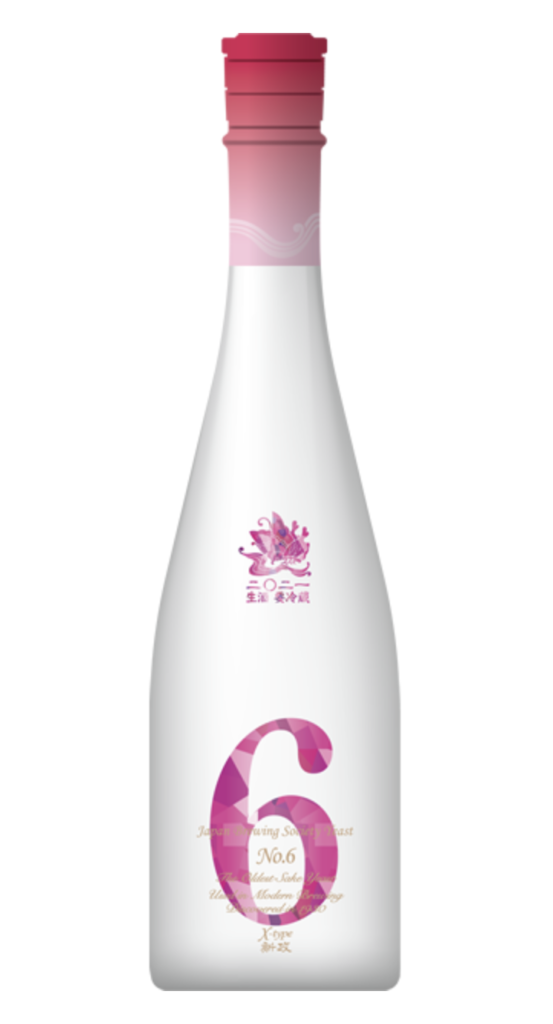
1. X-type
screenshot 2026 04 08 at 4.08.11 pm
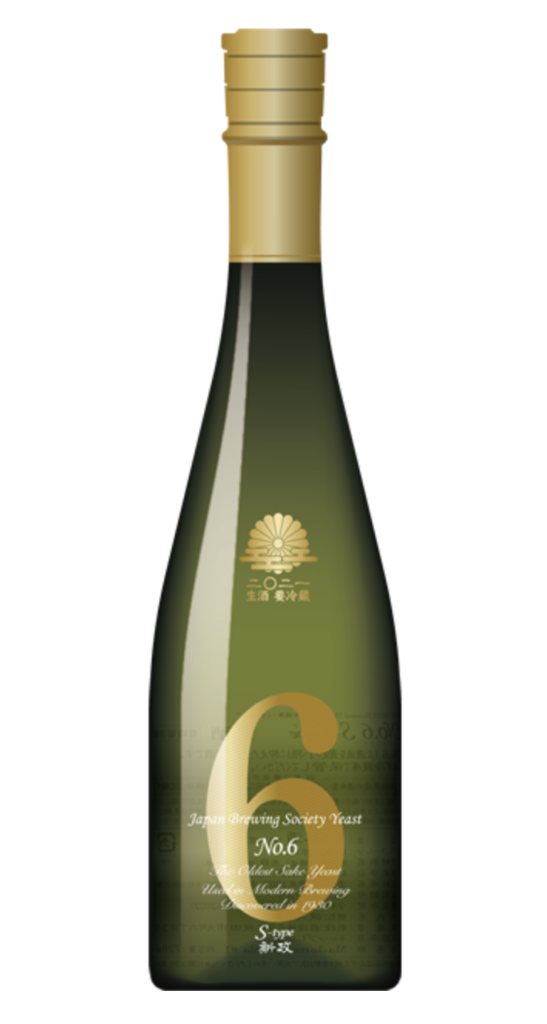
2. S-type
screenshot 2026 04 08 at 4.08.15 pm
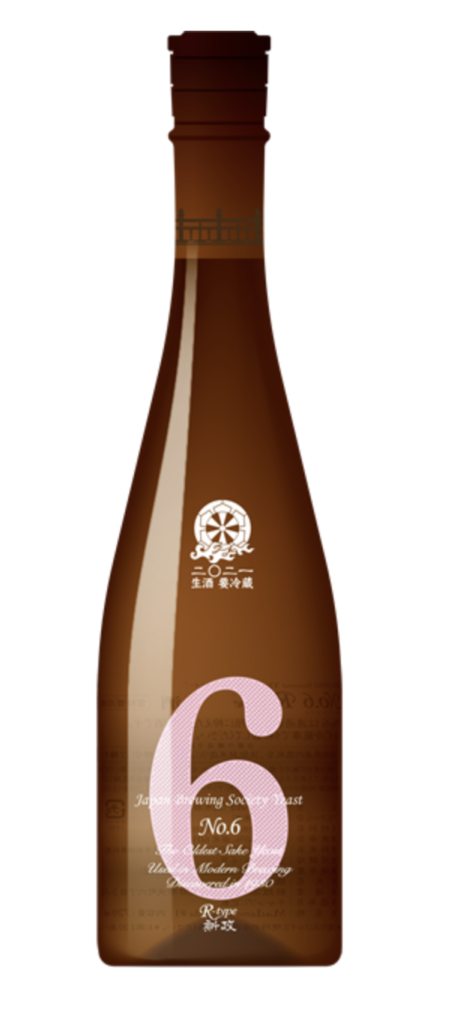
3. R-type

1. X-type The most iconic and highest-tier model in the No. 6 lineup — which probably explains why it also has the most beautiful bottle design. It’s the kind of bottle you could display at home with flowers in it, though I’ve been holding myself back from doing so, since it might make me look like an alcoholic. Brewed using kioke-jikomi (storing and aging sake in wooden tanks).

2. S-type The mid-range model of the No. 6 lineup. Stored and aged in temperature-controlled tanks.

3. R-type The most accessible model in the lineup. Like the S-type, it is stored, aged, and bottled from temperature-controlled tanks. Brewed using the kimoto method.


PRIVATE LAB

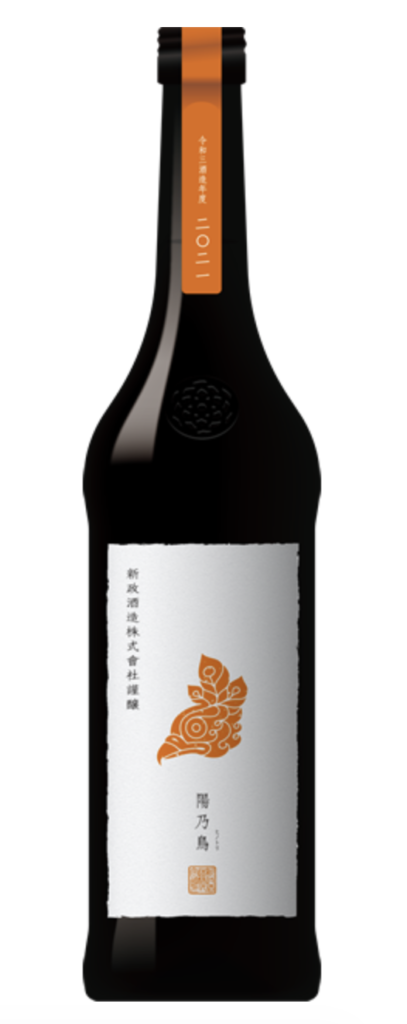
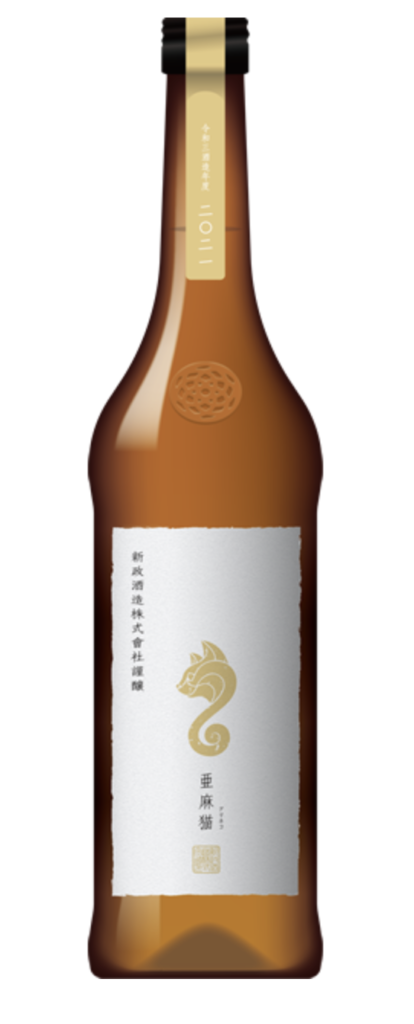
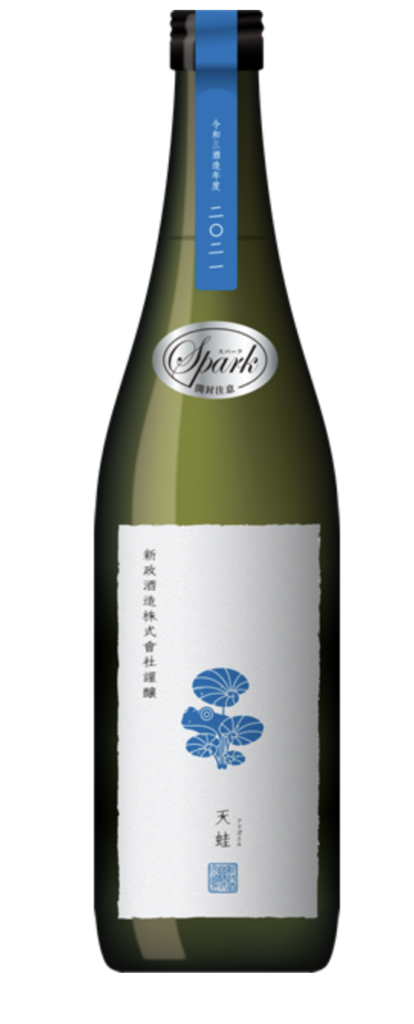
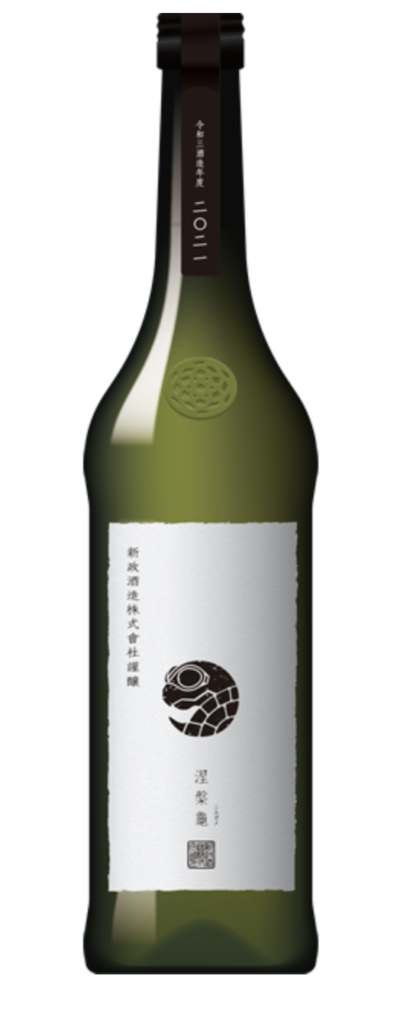
A lineup brewed using experimental methods, said to embody the spirit of Aramasa Shuzo in its earliest days. Perhaps for that reason, this is the lineup where the brewery’s most distinctively characterful sakes tend to live. Each label is inspired by the four sacred beasts of East Asian mythology.

(Though I have to say — Amegaeru (the tree frog) appears to be filling the Azure Dragon position, and I’d like to express my condolences to a dragon that ended up becoming a frog.)

screenshot 2026 04 08 at 4.35.58 pm
1. Hinotori(陽乃鳥)
screenshot 2026 04 08 at 4.36.02 pm
2. Amaneko(亜麻猫)
screenshot 2026 04 08 at 4.36.09 pm
3. Amagaeru(天蛙)
screenshot 2026 04 08 at 4.36.13 pm
4. Nirugame(涅槃龜)

1. Hinotori — Aramasa’s only kijōshu (貴醸酒)

Kijōshu: A style of sake in which a portion of the water normally used in brewing is replaced with sake itself. The result is a heavier, sweeter character compared to conventionally brewed sake.

Because of this richness, kijōshu can sometimes veer into being overly sweet, which puts off those who dislike amakuchi (sweet-tasting sake) — and at a place I used to work, we even served it as a highball. That said, I have yet to meet a single person who dislikes Hinotori.

2. Amaneko — Aramasa’s only sake brewed with a combination of regular koji and white koji. Like Colors and Hinotori, it is made using kioke-jikomi. Aramasa Shuzo officially describes it as their most characterful sake. (Though personally, I’d say that’s Amegaeru…)

When white koji is used in nihonshu brewing, it is said to produce a sparkling quality and acidity reminiscent of white wine.

3. Amegaeru Brewed in temperature-controlled tanks, this is a nihonshu with an alcohol content below 10% — low enough that, with only a little exaggeration, you could drink it almost indefinitely. Because it undergoes secondary fermentation in the bottle, bubbles continue to rise the moment you first open it. Opening it carefully still takes around 3 minutes — sometimes as long as 5 — depending on storage conditions. Because it is made by adapting traditional production methods, it is particularly difficult to produce, and is only available in small quantities for a brief window between May and July. There are many sparkling nihonshu out there, but none with a carbonation quite like Amegaeru’s — which is precisely why it is personally my favorite sake from Aramasa Shuzo.

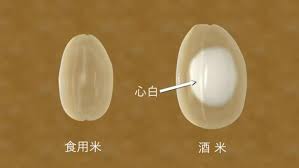
4. Nirugame (涅槃龜) Nirugame’s defining characteristic is its seimaibuai (rice polishing ratio). An astounding 90% — within a margin of ±2%. In other words, only 10% of the rice has been milled away.
unknown

When rice is left largely unpolished, the layers surrounding the starchy core — proteins and fats — tend to convert into off-flavors during fermentation. This is why the prevailing trend among nihonshu enthusiasts today leans toward junmai ginjo and junmai daiginjo styles, where the rice is polished down until only the carbohydrate-rich core (shinpaku) remains, producing that clean, refined flavor profile everyone loves.

And yet, when I first tasted Nirugame, it was so well-composed that it didn’t register as a 90% seimaibuai sake at all. Doing research for this post, I found that even on Aramasa’s own website, the description essentially reads: “Yes, the polishing ratio is high — but we’ve managed it so carefully that it turned out incredibly delicious.” You can feel the pride they have in this sake. If I had to describe it, I’d say it takes everything that could have been an off-flavor and converts it entirely into umami. This is my second favorite label from Aramasa Shuzo.


Beyond these, there are various limited and seasonal releases not covered above — but going through each one would make this far too long, so I’ll leave them out. I haven’t personally tried the event-only releases either.


Closing Thoughts

1. Aramasa Shuzo is a brewery that clings more fiercely to regionality and tradition than almost anyone else — and yet consistently produces nihonshu that feels remarkably modern and of-the-moment. Their kijōshu doesn’t weigh heavily on the palate; you can finish an entire bottle without effort. Their sparkling sakes, like Amaneko and Amegaeru, carry a carbonation that is distinctly their own — enough to make you think, Aramasa is just different.

2. Whenever I visit a nihonshu izakaya, Aramasa is always sitting at the top of the price list — which means someone like me, who prefers to work through as many different sakes as possible in one sitting, doesn’t reach for it all that often. And yet there’s a quiet, persistent thought in the back of my mind: if I ever make it to Akita Prefecture, I want to sit down at a local izakaya and drink Aramasa the way it was meant to be drunk — fresh, local, right there.

3. Reading through interviews with current kuramoto Yusuke Sato, you get a real sense of the person behind the brewery — not just his reasons for holding to traditional methods, but his approach to working exclusively with a small circle of select retailers, and his own perspective on the globalization of the nihonshu market. Across brewing, business, and his entire philosophy toward sake, he strikes me as someone with a genuine, deeply considered core — a person worth admiring.

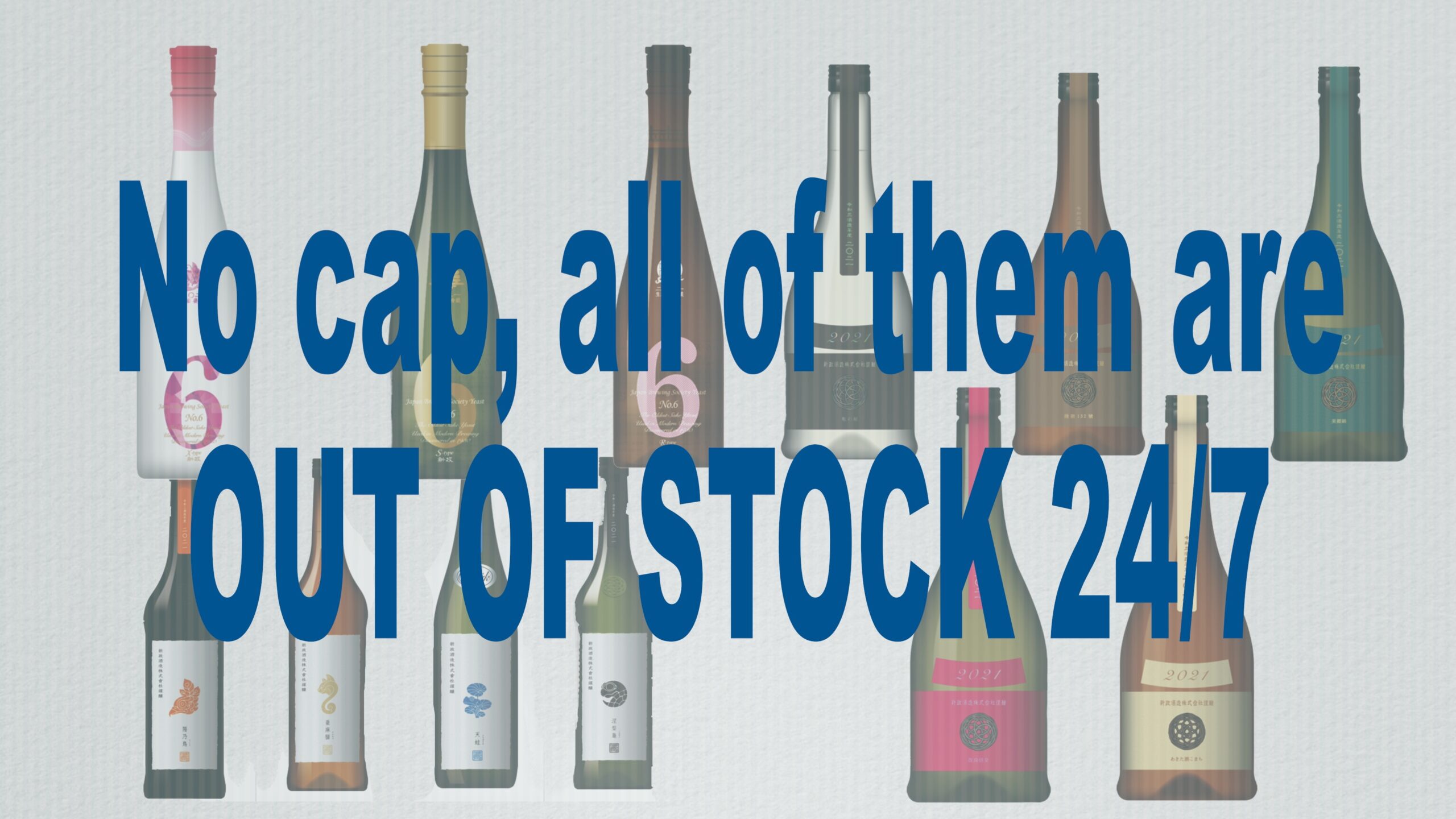
I’ll close this out while dreaming of the day I can buy Amegaeru by the bottle. Five bottles, ideally. 😚

Fin