


Born the Same Year as Hello Kitty: The Story of Denshu, Aomori's Legendary Sake
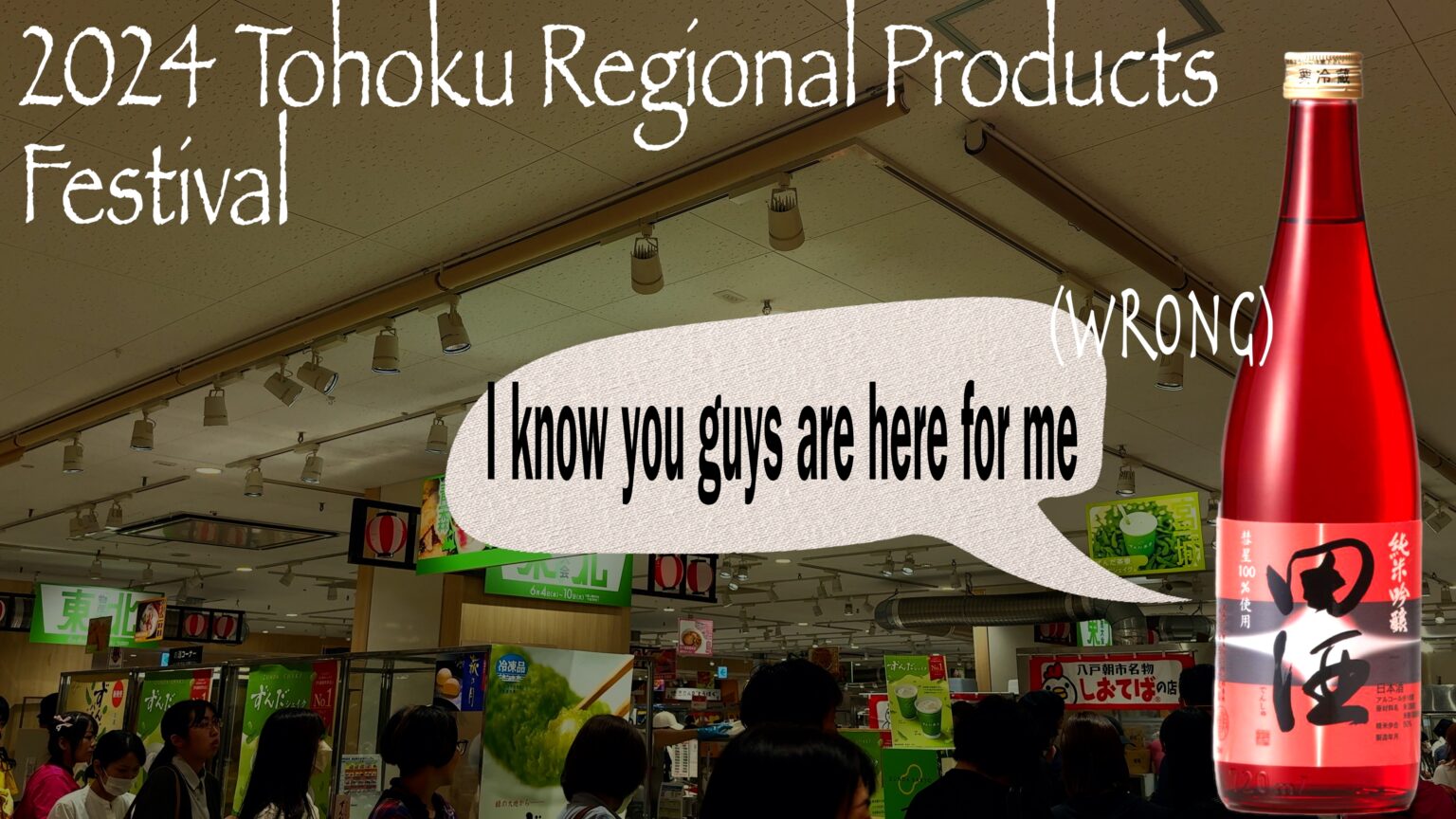
In 1974—22 years before I was born—a sake called Denshu was released in Aomori Prefecture.
As of 2026, it ranks 5th nationwide on Sakenowa and 29th on Sake Times.
Its birth required a bold decision—to go against the mainstream.
And the result of that courage?
A sake that has been loved across Japan for over 50 years.
So who were the people behind the birth of Denshu?
And what kind of connection might it have with me—even if it seems irrelevant at first?
Let’s take a closer look.
Denshu, Born at a time when junmai sake wasn’t yet in vogue.
Founded in 1878 (Meiji 11), Nishida Shuzo was established in Aomori City, Aomori Prefecture.
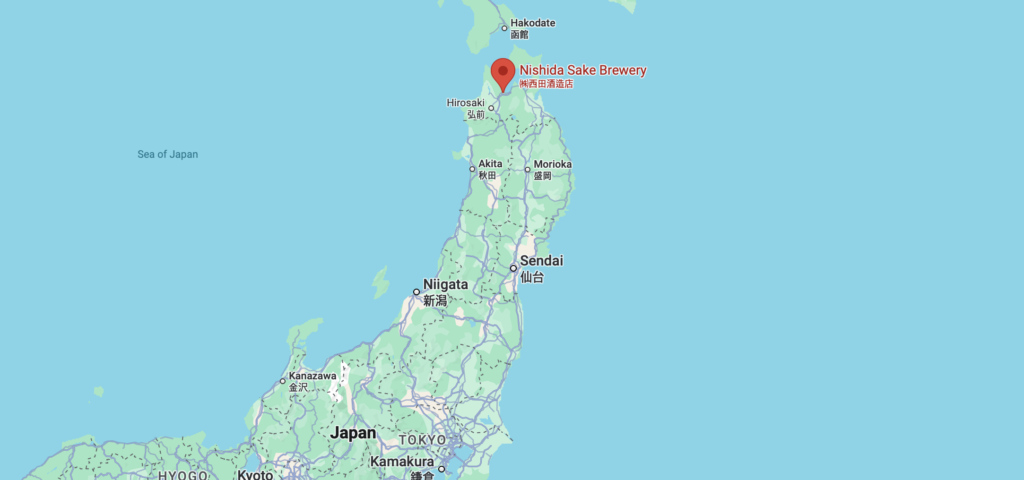
About 100 years later, in 1974—
The year Korea opened its very first subway line, Line 1,
and the year Hello Kitty was born in Japan—
At Nishida Shuzo, a new sake was introduced:
Denshu, a junmai sake made purely from rice, brewed in a traditional way.
At the time, however, the mainstream of the sake world was honjozo and futsushu.
The reason traces back to the aftermath of World War II.
Japan faced a severe shortage of rice, and naturally, even less was available for brewing sake.
With limited rice, breweries couldn’t produce enough volume—so they compensated by adding distilled alcohol.
According to records, some breweries added brewing alcohol up to 50% of the rice volume.
In this context, the industry shifted.
The mainstream became futsushu, which had no strict limits on added alcohol or sugar,
and honjozo, which maintained only minimal standards.
But Denshu went against this current.
In 1974, it was released as a junmai sake—made with nothing but rice.
Then, in 1981, it won first place in a “Delicious Sake Contest” held by a magazine,
marking the beginning of its rise in recognition—especially in Tokyo.
As Japan’s economy improved, so did people’s expectations for sake.
Junmai sake gained popularity, and the trend naturally shifted toward premium styles such as junmai ginjo and junmai daiginjo.
The man who brought Denshu from Aomori to nationwide recognition:
the 5th-generation kuramoto, Tsukasa Nishida.
Originally, Denshu was known for its rich body and deep umami.
But in 2004, it underwent a major transformation.
That same year, Tsukasa Nishida took over the brewery.
He would go on to elevate Denshu’s presence across all of Japan.
He reshaped Denshu through three key approaches:
Refining and evolving its flavor profile
Brewing with local rice varieties such as Kojonishiki—Aomori’s first registered sake rice—and Hanaomoi, developed to rival Yamada Nishiki, creating seasonal and limited expressions
Expanding distribution channels nationwide
His influence played a crucial role in building Denshu’s reputation as it stands today.
As of 2026, it has been 23 years since he inherited the brewery.
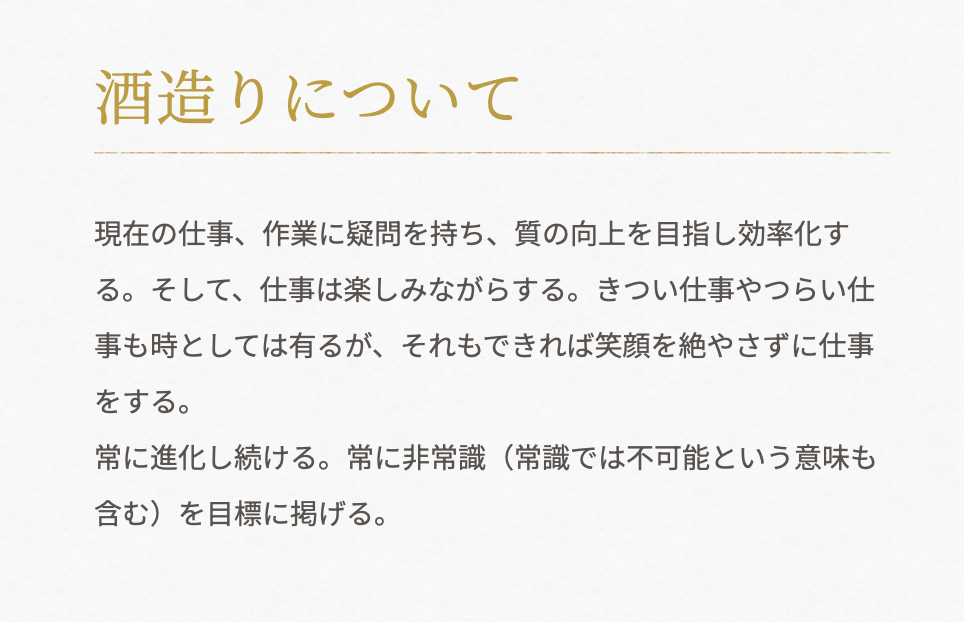
With a philosophy of “always unconventional,”
he continues to craft Denshu to this day.
Denshu, Through the Eyes of Sakagura Miyamoto
1.
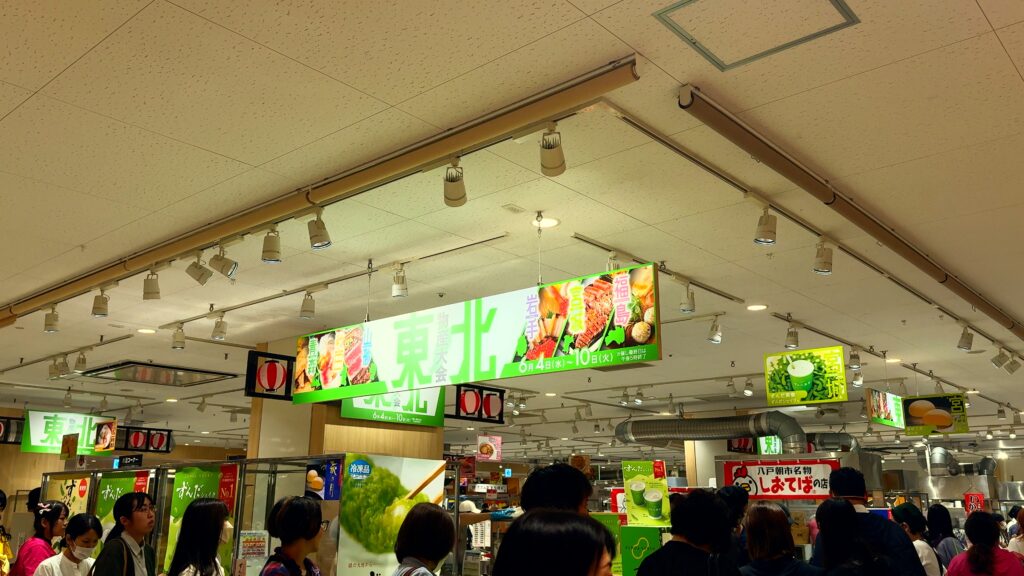
In 2025, there was a Tohoku regional specialty pop-up at Hakata Hankyu Department Store
(in Japanese, it’s called Tohoku Bussan / 東北物産).
I remember that several breweries from the Tohoku region participated.
At the time, I went there thinking I’d try Denshu—
but by the time I arrived, all the rare bottles were already sold out.
Only the more commonly produced ones, like Tokubetsu Junmai and Yamahai, were left.
Looking back on that moment, it made me realize something:
Denshu is the kind of sake that sells out almost instantly among nihonshu fans.
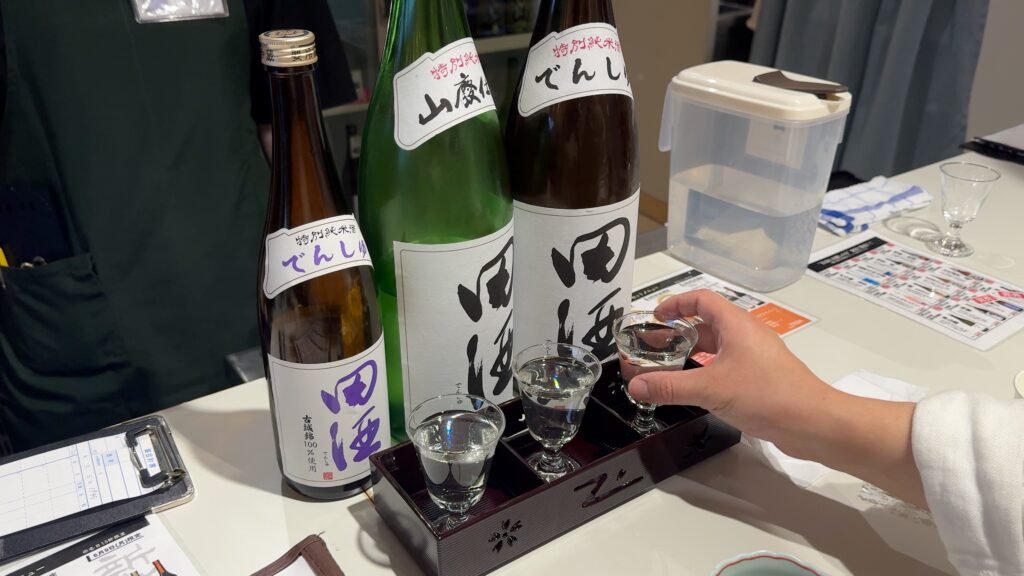
2.
Denshu… well, there are so many label variations that I can’t remember them all.
But from what I’ve experienced so far—especially the bottles I’ve had—the real strength of Denshu comes out when it’s paired with food.
If I ever saw Denshu on a fine dining pairing menu,
I’d want it to be served with an appetizer or sashimi.
That’s the kind of sake it is.
It carries a certain level of aroma,
but not to the point where the aroma defines the sake itself.
That, to me, is Denshu.
.
.
.
Being loved for over 50 years is no easy thing.
I’m 30 years old now.
And even I haven’t been loved continuously for 30 years—
well, except by my parents.
But Denshu has been loved by nihonshu fans for more than 50 years.
And now, it has my love too.
You can see it in a simple moment—
whenever I spot Denshu in the fridge of a sake izakaya,
my eyes are drawn to it without thinking.
I’m sure many of you reading this feel the same way.
If you’ve managed to get a bottle of Denshu—congratulations.
Tonight, go pick up some sashimi or something light to pair with it.
And if, before your first sip,
this piece happens to cross your mind… 🫣
.
On a side note—
for a style like Denshu, I personally prefer drinking it from an ochoko rather than a wine glass.
And if you’re going to drink from an ochoko,
it’s worth having at least one beautifully designed piece at home.
Just my preference—
but one I feel pretty strongly about.
Fin
Sources:
https://aomori-sake.or.jp/kuramoto/denshu.html (History and now of Denshu)
https://www.saketime.jp/brands/41/(About Kikuizumi)
https://hellosake.com/en/breweries/si91AcI8lRJ5EZWyOKj9(Article of Denshu in 1981 magazine)
https://www.saketime.jp/brands/26/(About Tsukasa Nishida, the 5th-Generation Kuramoto)