

The Most Delicious Hana(Flower) in Akita Prefecture: Hanamura(花邑)
Saki no Hana, Sawa no Hana, Hananoka, Hanaabi, Hanatomoe—and Hanamura, the sake I’ll be introducing today.
There are a few kanji that appear frequently in the world of sake, and hana (花), meaning “flower,” is one of them.
From my own experience, these sakes tend to have a few things in common: they’re easy to drink, relatively low in alcohol, and built around floral aromas or fruity flavors.
There was once a study in the United States that found people whose names contained words like “Lawyer” or “Baker” were more likely to become lawyers or bakers.
For a moment, I wondered if something similar might be happening here.
As someone who loves sake that’s smooth enough to enjoy without any food, I’m always happy to see bottles like these.
By the way, I’ve also noticed that sake with flowers on the label often turns out to be easy-drinking as well. That’s just my own little theory.
(Flowers… are nice.)
Among them, what makes Hanamura especially fascinating is its direct connection to Juyondai, one of the most sought-after sake brands in Japan today.
Let’s take a look at Hanamura’s story—from its birth to the present day—as well as its signature flavor profile and some interesting facts behind the brand.
History
1. The Brewery's Founding and Early Years
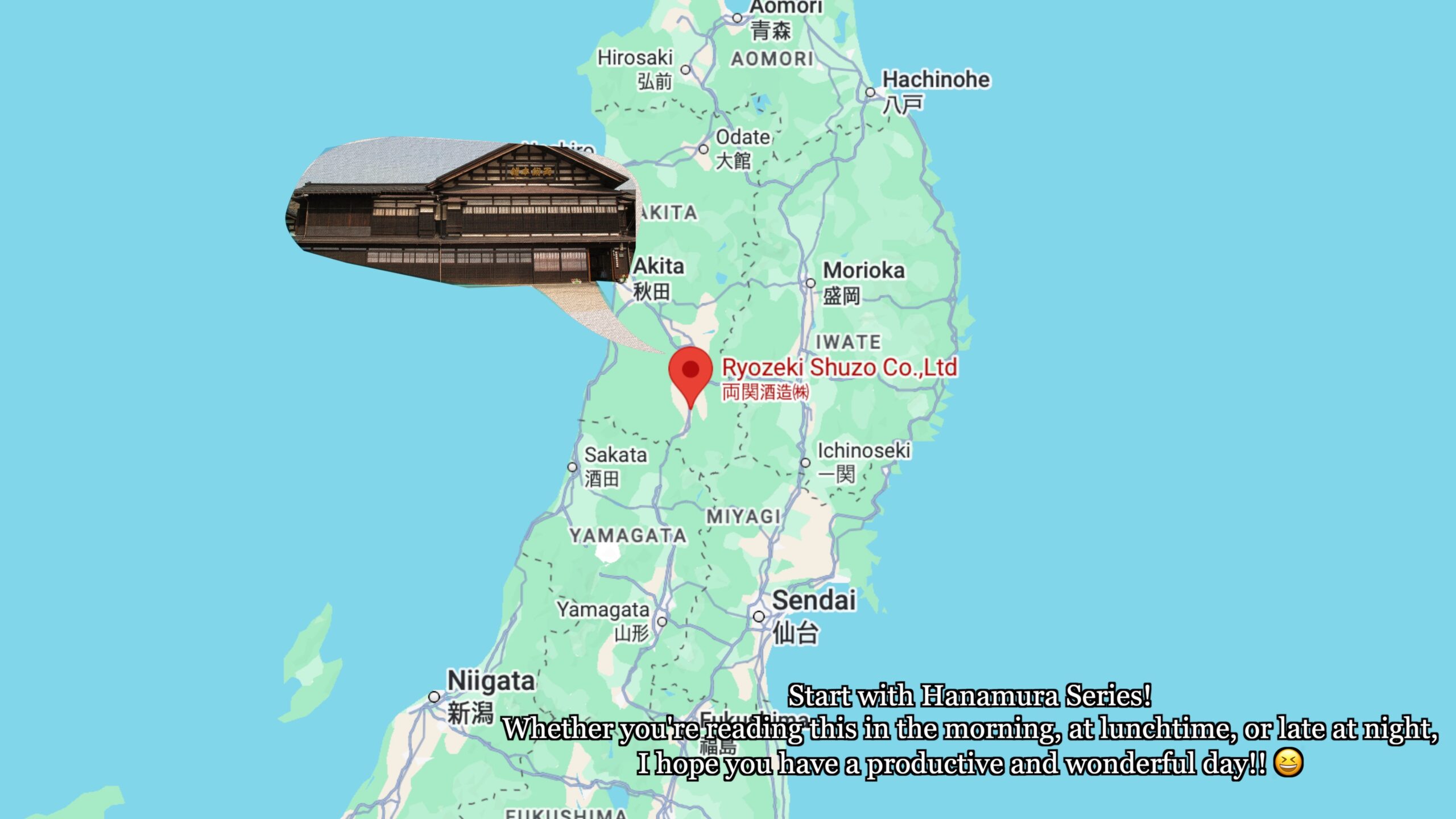
Ryoseki Brewery was founded in 1874 (Meiji 7) in Yuzawa, Akita Prefecture, a region known for its exceptional rice and heavy snowfall.
Because of its harsh winters and deep snow, the area naturally became well suited to low-temperature, long-term fermentation. This brewing method allowed sake to develop delicate and refined flavors.
However, by the late Meiji period (the 1890s to the early 1900s), sake from the Nada region had begun to spread widely throughout the Tohoku region. Ryoseki Brewery realized that if it continued as it had, it might lose market share to Nada’s breweries. Determined to produce better sake, the brewery devoted itself to improving its craft day and night.
As a result, it refined the traditional low-temperature, long-term brewing method into its own unique style, tailored specifically to its brewery.
Perhaps because of these efforts, Ryoseki Brewery became the first brewery in Akita Prefecture to receive the Excellence Award at the National New Sake Awards.
(The National New Sake Awards is Japan’s largest and most prestigious sake competition.)
Like many breweries of its time, Ryoseki primarily produced futsushu and honjozo sake. However, around the 1980s, the preferences of sake drinkers began to change. (At the center of that shift was, once again, Juyondai.)
Ryoseki Brewery also realized it needed to rethink the kind of sake it was making.
After all, quality matters more than quantity.
The brewery began searching once again for ways to make better—and more delicious—sake.
2. The Birth of Hanamura (2011)
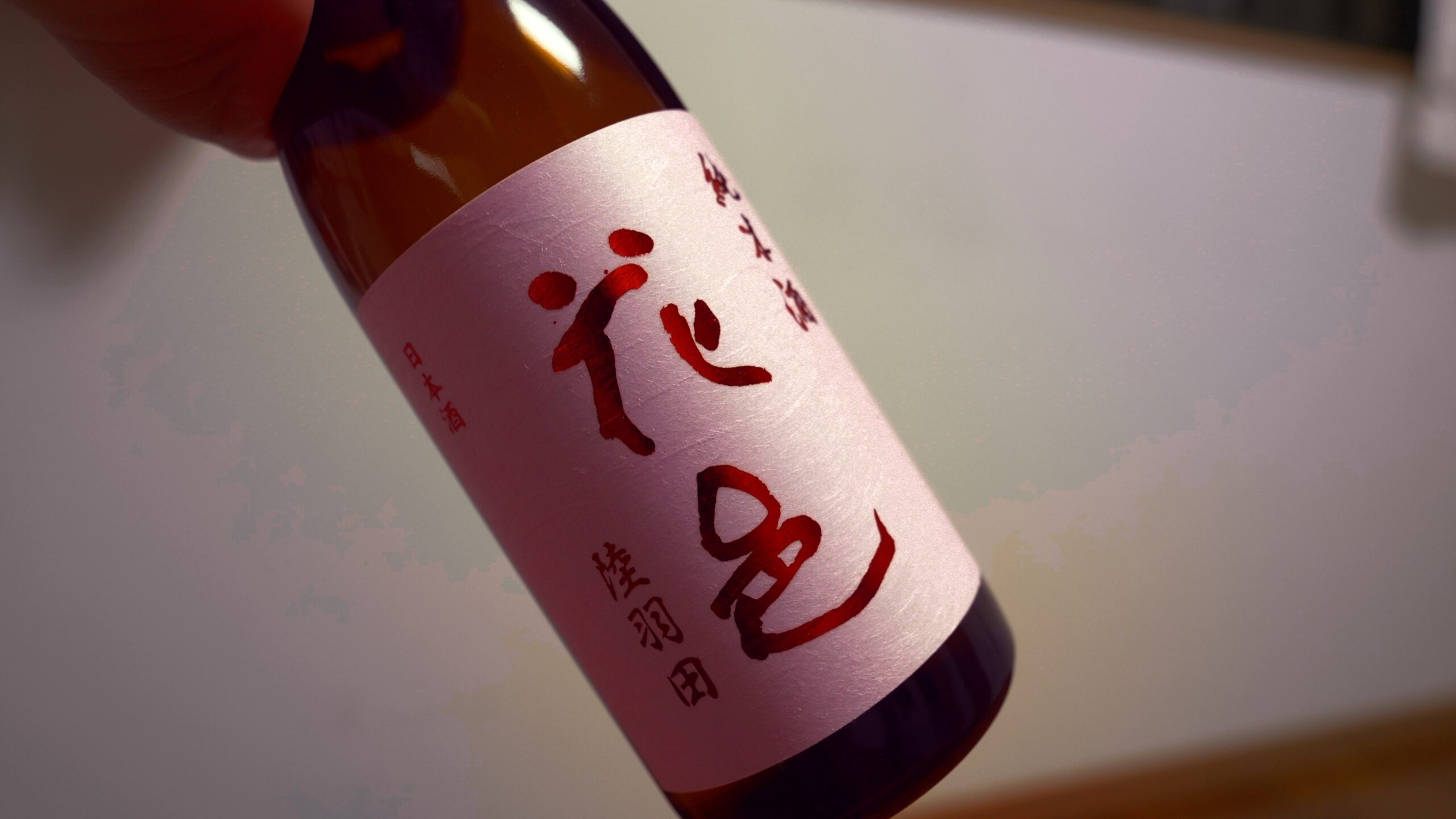
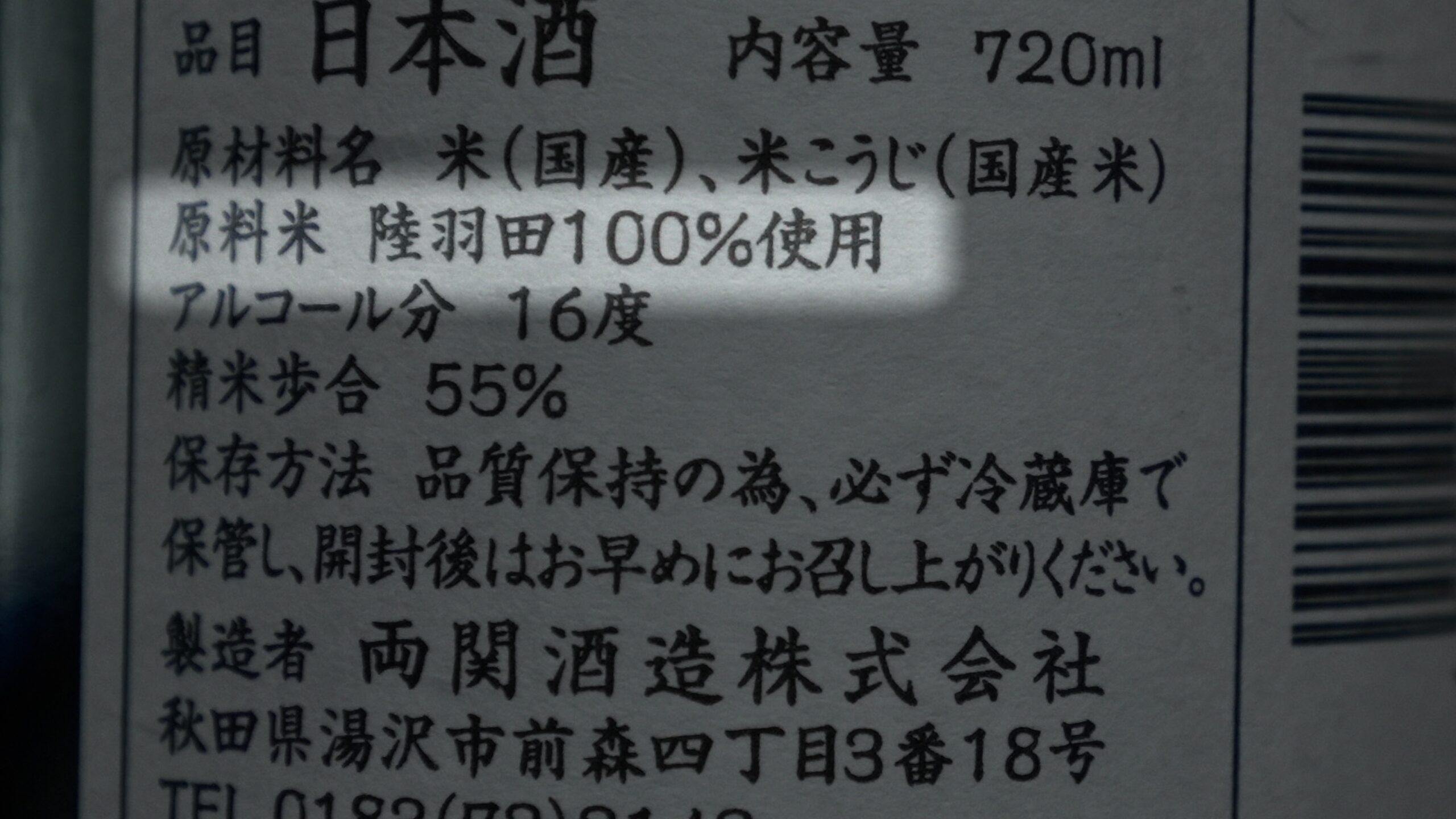
While searching for a way to make better sake, Ryoseki Brewery crossed paths with Takagi Brewery in Yamagata Prefecture
There, they were introduced to the sake rice varieties Omachi and Rikuu Den, and were also taught how to brew sake using these rice varieties.
Around the same time, the name Hanamura was also suggested by Takagi Brewery, and even the origin of the name is closely connected to them.
Combining the brewing techniques learned from Takagi Brewery with Ryoseki Brewery’s own approach, and after many rounds of trial and error, Hanamura was finally born in 2011.
Like Juyondai, Hanamura was released exclusively through authorized retailers. Thanks to its outstanding quality and limited availability, it quickly gained popularity throughout Japan.
Since then, the brewery has expanded the lineup by using a wider variety of sake rice. (While the polishing ratios also differ, the biggest difference between the releases is the rice variety.)
The sake rice currently used for Hanamura includes:
- Aiyama — Developed in Hyogo Prefecture
- Yamadanishiki — Developed in Hyogo Prefecture
- Sake Mirai — Developed in Yamagata Prefecture (by Takagi Brewery)
- Omachi — Developed in Okayama Prefecture
- Dewasansan — Developed in Yamagata Prefecture
- Akita Sake Komachi — Developed in Akita Prefecture
- Misatonishiki — Developed in Akita Prefecture
- Rikuu Den — Developed in Yamagata Prefecture(By Takagi Brewery only for Hanamaru)
Rather than limiting themselves to rice from a particular region, they choose whichever variety best matches the flavor profile they want to achieve.
The bottle I drank this time was made with Rikuu Den.
Rikuu Den: As expected, it was built around a fragrant, aromatic profile. What surprised me, though, was its full body and rich, weighty mouthfeel.
Despite being a modern-style sake, it had the unexpected versatility to pair well with a steaming hot nabe.
I also enjoyed it with samgyeopsal (Korean grilled pork belly), and the pairing worked remarkably well.
On the other hand, I felt it might not be the best match for dishes with a crisp, crunchy texture.
This is the kind of sake that makes me want to buy a dedicated sake refrigerator that can hold 1.8-liter bottles, stock several different varieties, and enjoy them little by little over time.
(By the way, Izumiya Saketen in Okinawa had more 1.8-liter bottles on display than 720 ml bottles.)
3. From Its Release to the Present
After the first Hanamura was released in 2011, Ryoseki Brewery also introduced Suigyoku, a sake made exclusively with rice grown in Akita Prefecture.
The flavor naturally varies from one label to another, but both brands share the same overall character: rich umami supported by delicate fruity and floral aromas. They have the kind of flavor that can captivate even someone trying sake for the very first time.
Since its debut, Hanamura has continued to earn the admiration of sake enthusiasts. Combined with its limited availability, it has become one of the bottles that many sake fans hope to get their hands on.
I could hardly find Hanamura in Fukuoka, so I never expected to be able to buy it in Okinawa.
Moving to Okinawa was definitely the right decision.
Fun Facts
1. How Much Snow Are We Talking About?
Akita Prefecture is often called Japan’s snow country.
When you read about breweries in snowy regions, you’ll often come across phrases like, “They use snowmelt as brewing water in the spring,” or “In winter, sake was stored in the snow outside the brewery.”
Ryoseki Brewery also states that it uses snowmelt in its brewing.
But having spent most of my life in Seoul—or in places where even heavy snowfall meant only about 10 cm (4 inches) of snow—I honestly had a hard time picturing what it meant to “use snowmelt.”
I imagine many people feel the same way.
So, here’s what winter looks like in Yuzawa City, where the brewery is located.
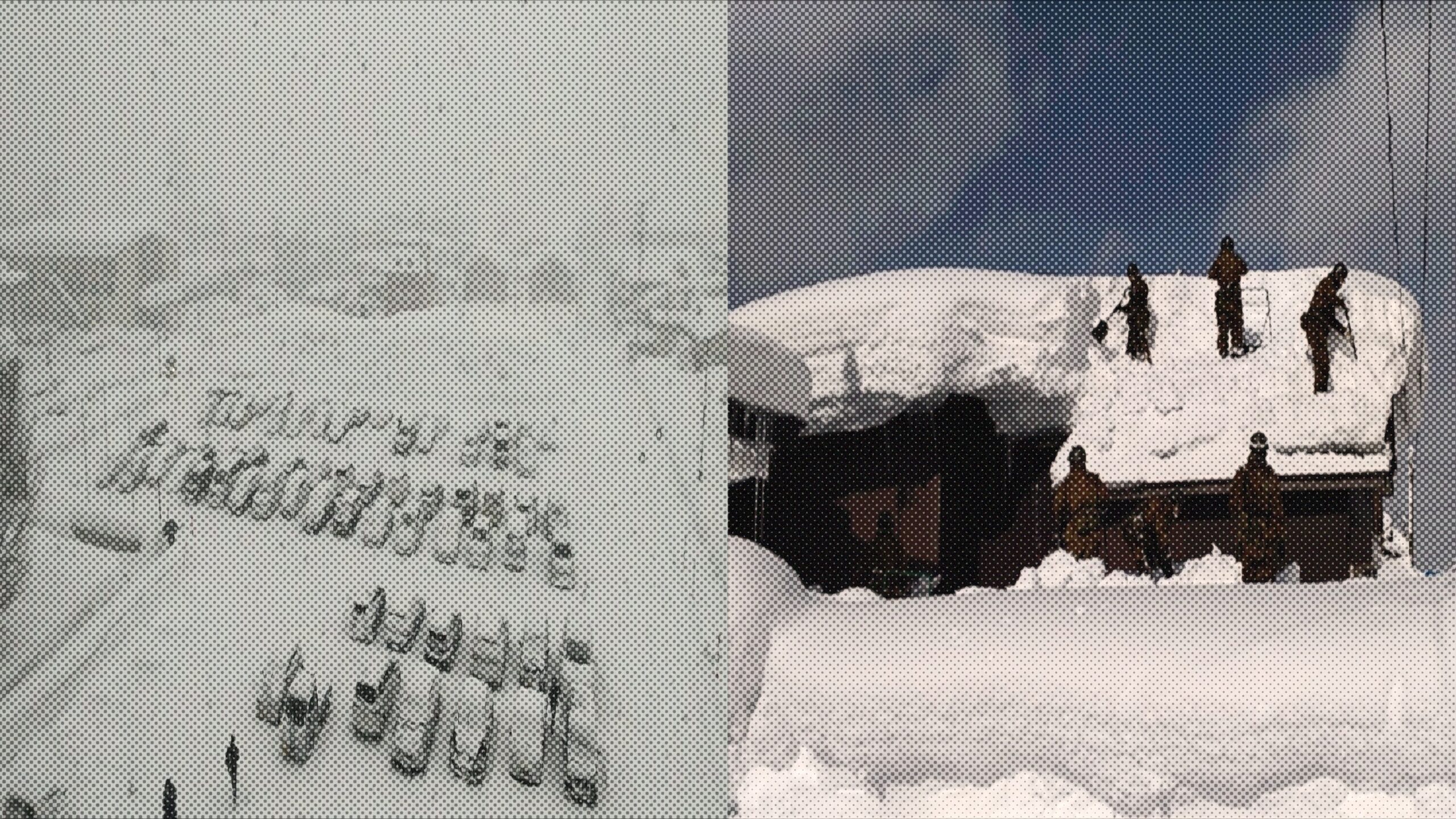
Of course, this photo was taken during an exceptionally heavy snowfall that was severe enough to be declared a disaster.
Still, it gives you a good idea of just how much snow can fall in this region.
Below is another winter scene from Yuzawa City.
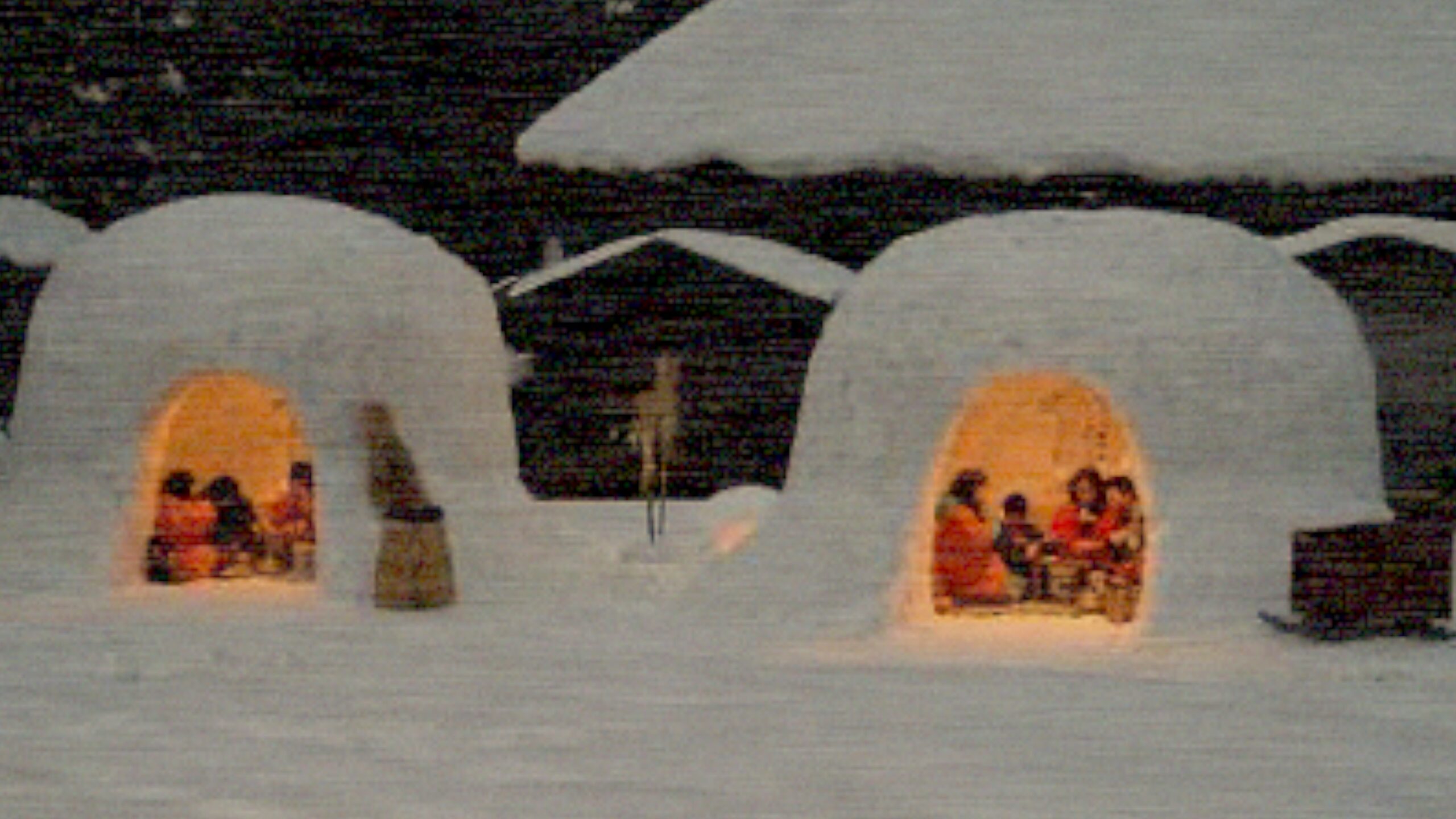
In Japan, these snow huts are called kamakura (鎌倉), and they are commonly featured in winter festivals and seasonal events.
2. The Brewery Has Been Designated as a Cultural Property.
The main building of Ryoseki Brewery and its four annexes have been designated as Tangible Cultural Properties.
Sake brewed inside a cultural property.
Isn’t that cool?
Yeah… I think it is. 🤩
Conclusion (My Thoughts)
This section will be updated whenever there are changes or additional thoughts.
Thank you to everyone around the world who loves Nihonshu and has visited Sakagura Miyamoto. Sakagura Miyamoto was created to make Nihonshu more than just a drink with good taste and aroma — but something that lives in your memories. For those who want to turn Nihonshu from a simple alcoholic beverage into a medium that brings back moments and stories, and for those who want to describe Nihonshu in a deeper, more dimensional way, we invite you to join the Sakagura Miyamoto membership. The content below is for members only. Thank you.