


Mie Prefecture's representative sake, Jikon (而今) and Takasago
History
1. The Early Days of the Brewery, Before Jikon Was Born
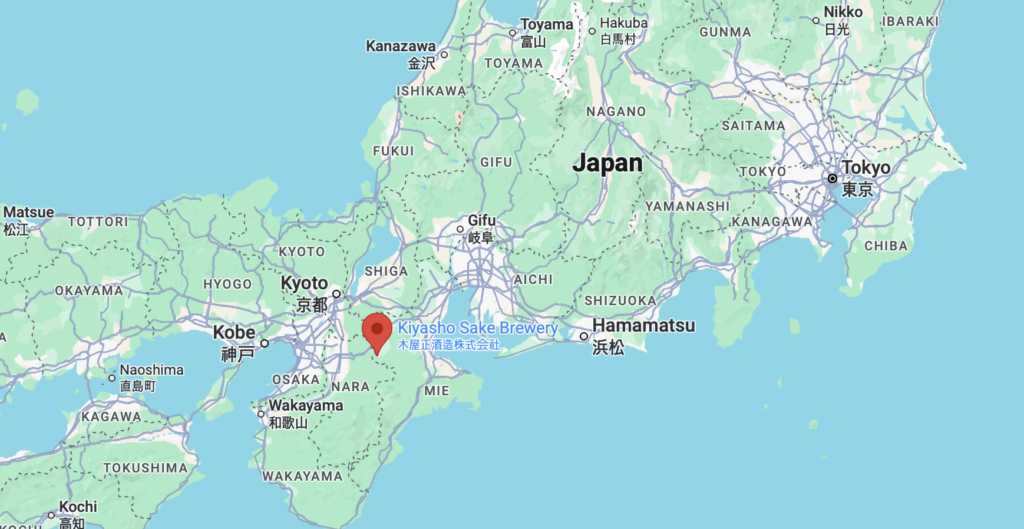
Founded in 1818 in Nabari City, Mie Prefecture, Kiyasho Shuzo.
Though its history is long, the birth of Jikon is relatively recent — 2005.
Before that, Kiyasho Shuzo had been brewing a sake called “Takasago,” with production of only about 1,800L, most of which was futsushu or honjozo blended with brewing alcohol.
(By comparison, the most popular Dassai Shuzo produces about 5,400,000L per year.)
It had long been loved locally at a low price, but it was not a sake with outside recognition. Because of this, when the current kuramoto, Onishi Tadayoshi, first joined the brewery at age 27, the brewery’s financial situation was such that it could not easily afford to hire even a single employee.
Mr. Onishi put effort into promoting the brewery in various ways, but there was little return, and this situation continued until 2003.
2. The Turning Point
While wondering how to rebuild the brewery, Onishi happened to come across Juyondai.
The experience left a profound impression on him.
He realized that the key to a successful brewery was not advertising or promotional activities, but simply making great sake.
From that moment on, he made it the brewery’s philosophy to pursue even better sake and to put quality above everything else.
At the time, however, the brewery was struggling so badly that it could not even afford to pay employees.
So Onishi began developing a new sake on his own, and in 2005, the brewery released its new Daiginjo.
The following year, it won a Gold Prize at the Annual Japan Sake Awards (Zenkoku Shinshu Kanpyokai), Japan’s largest and most prestigious sake competition.
From its debut, the sake quickly gained the admiration of sake enthusiasts across the country.
To celebrate the success of this new sake, Onishi’s mother gave it the name Jikon (而今).
The name means “to cherish the present moment,” carrying the same spirit as the phrase Carpe Diem.
3. 2018: Rebranding Takasago, the Brewery's Original Brand
Most labels under the Jikon lineup are known for their naturally sweet flavor profile.
Because of this, sake enthusiasts—including long-time Jikon fans—have often expressed a similar opinion:
“Sweet sake doesn’t pair very well with traditional Japanese cuisine.”
Onishi himself admitted that he agreed with this to some extent.
He also knew how to address the issue.
“To create a drier style of sake, we needed to brew a kimoto sake using the traditional kioke-jikomimethod.”
* Kioke-jikomi is a brewing method that uses large wooden vats—typically made from Japanese cedar—instead of the stainless-steel tanks commonly used today.
* Kimoto is a traditional brewing method in which no lactic acid is added artificially. Instead, natural lactic acid bacteria are cultivated by repeatedly stirring and grinding the starter mash with wooden poles.
Although he knew the solution, changing the character of Jikon itself was not an option.
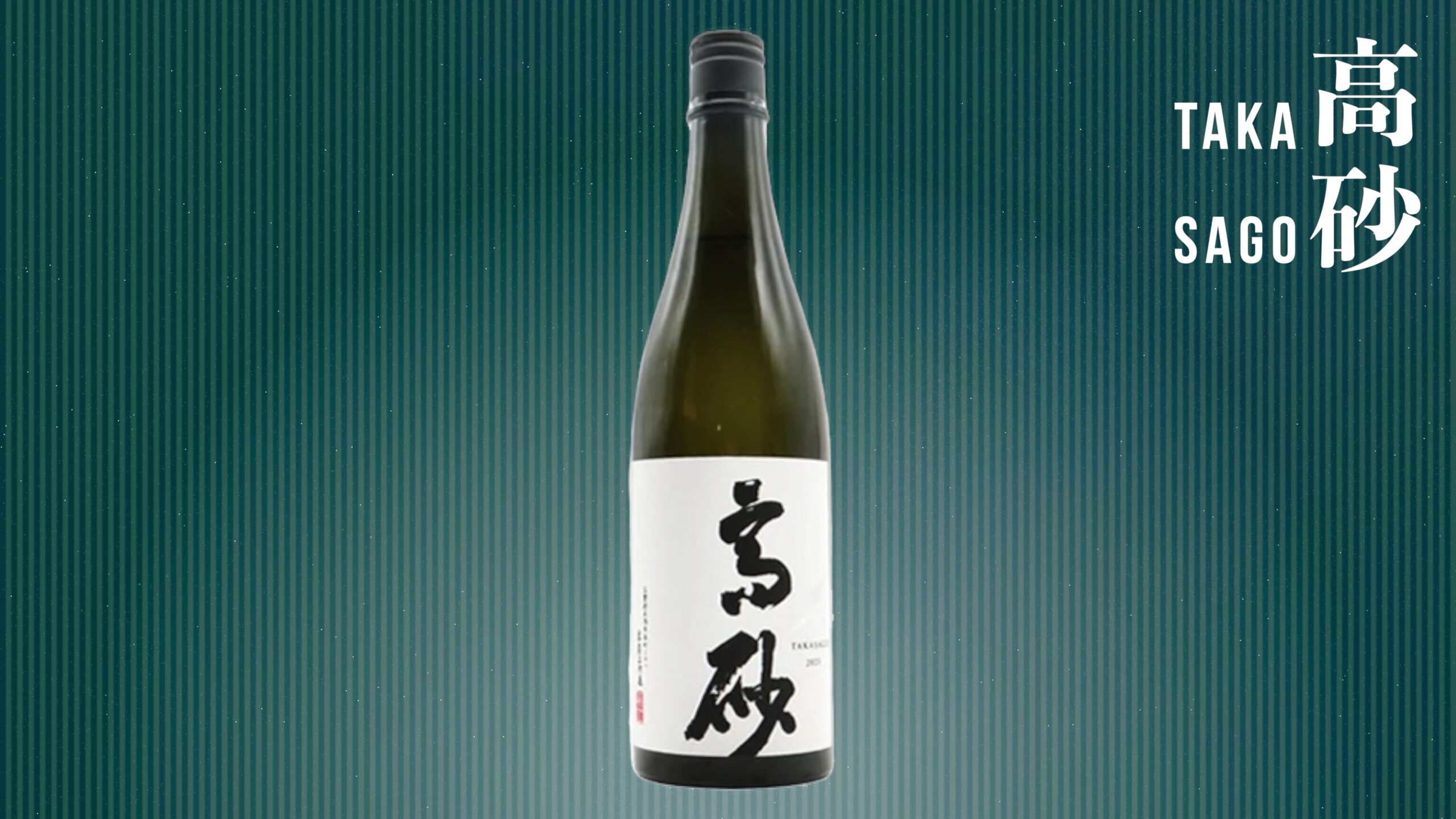
Instead, he came up with another idea: to rebrand Takasago, the brewery’s original brand that had existed since the brewery was founded.
While Jikon uses the brewery’s own proprietary yeast to create its signature floral aroma, Takasago was brewed with a yeast strain developed during the Showa era (1926–1989), known for producing a deeper and more restrained aroma.
As a result, Takasago was reborn as Kiyasho Brewery’s new expression—a sake with subtle aromas and a clean, crisp finish.
4. After That
Now that he has gained years of experience as both a kuramoto and toji, Onishi has set his sights on goals beyond simply making better sake.
Of course, he still wants to brew outstanding sake, but more importantly, he wants to create sake with greater meaningand take actions that have greater purpose.
Creating sake that best expresses its region
Among Kiyasho Brewery’s lineup, the labels that best represent the local character are Yanase and Nabari.
Named after places in the brewery’s home region, both are brewed exclusively with Yamada Nishiki rice grown in Iga City, where the brewery is located.
If you want to experience the kind of sake that Onishi believes can only be created in his hometown, these are the bottles to look for.
That said, as many sake fans already know, they are extremely rare—so if you ever happen to come across one, don’t miss the opportunity.
“Za” – A Guesthouse Operated by the Brewery
The brewery has also opened a guesthouse called Za for visitors and fans.
Naturally, guests are not allowed inside the brewery itself in order to protect the delicate microorganisms essential to sake brewing, but the guesthouse serves as a place to welcome and entertain visitors.
It does not appear to be open to the general public. Instead, it seems to be reserved for special guests or people who have a close relationship with the brewery.
(I couldn’t find any public reservation information on the brewery’s website or in magazine articles.)
A Growing Interest in Environmental Conservation
After spending more than twenty years brewing sake, Onishi came to realize that few professions are as closely connected to water as sake brewing.
That realization naturally led to a stronger interest in protecting the environment.
It makes perfect sense.
The three most important ingredients in sake are rice, water, and koji, and changing any one of them can dramatically affect the final flavor.
The water, in particular, usually comes from the region where the brewery is located.
If a sake made with that local water comes to be loved around the world, it is only natural to feel a deep sense of gratitude toward the water—and toward the natural environment that provides it.
그 외의 정보
1. About Increasing Production
Among Japan’s most sought-after yet hardest-to-find sake are Juyondai, Aramasa, and Jikon.
Like these famous breweries, many others do not simply increase production in proportion to their popularity.
Instead, they produce only as much as they can while maintaining the quality and style they are aiming for.
They also take into account how much sake bars and liquor shops can handle without compromising freshness.
(After all, no brewery wants customers to end up drinking bottles that have been sitting in a refrigerator for too long and have lost their ideal character.)
For that reason, production is based not on “the more, the better,” but on the amount that can be properly distributed while preserving quality.
Some people may wonder, “Couldn’t they just make more?”
However, when Jikon was first released, its annual production was only 5,400 liters.
Today, that figure has grown to around 250,000 liters—roughly 46 times more than when it began, all within about twenty years.
In other words, the brewery has been making a genuine effort to bring Jikon to more people while maintaining the quality it values.
(I’m not trying to defend the brewery, though. I’d love to be able to walk into my local sake shop and casually buy a bottle too.)
2. Their Approach to Brewing
Using machines is not only about making brewing more precise through measurable data.
It is also about reducing the physical strain on the people who work at the brewery and lowering the risk of injuries during the brewing process.
In the past, Onishi handled every step of brewing almost entirely by himself.
He has said that the experience was physically exhausting.
Now that the brewery is on stable footing, he continues to invest its profits in new equipment and facility improvements so that his staff can work in a safer and more comfortable environment.
Closing(My thought)
Thank you to everyone around the world who loves Nihonshu and has visited Sakagura Miyamoto. Sakagura Miyamoto was created to make Nihonshu more than just a drink with good taste and aroma — but something that lives in your memories. For those who want to turn Nihonshu from a simple alcoholic beverage into a medium that brings back moments and stories, and for those who want to describe Nihonshu in a deeper, more dimensional way, we invite you to join the Sakagura Miyamoto membership. The content below is for members only. Thank you.