


Kubota has far more varieties than you might expect.

If I had to pick the two sake brands that represent luxury among the sake most widely known in Korea, DASSAI 23 and Kubota Manju would immediately come to mind.

I’ve already covered DASSAI before, so today I’d like to talk about Kubota.

Kubota is produced by Asahi Shuzo, one of the largest sake breweries in Niigata Prefecture, the region with the highest number of sake breweries in Japan.

asahi

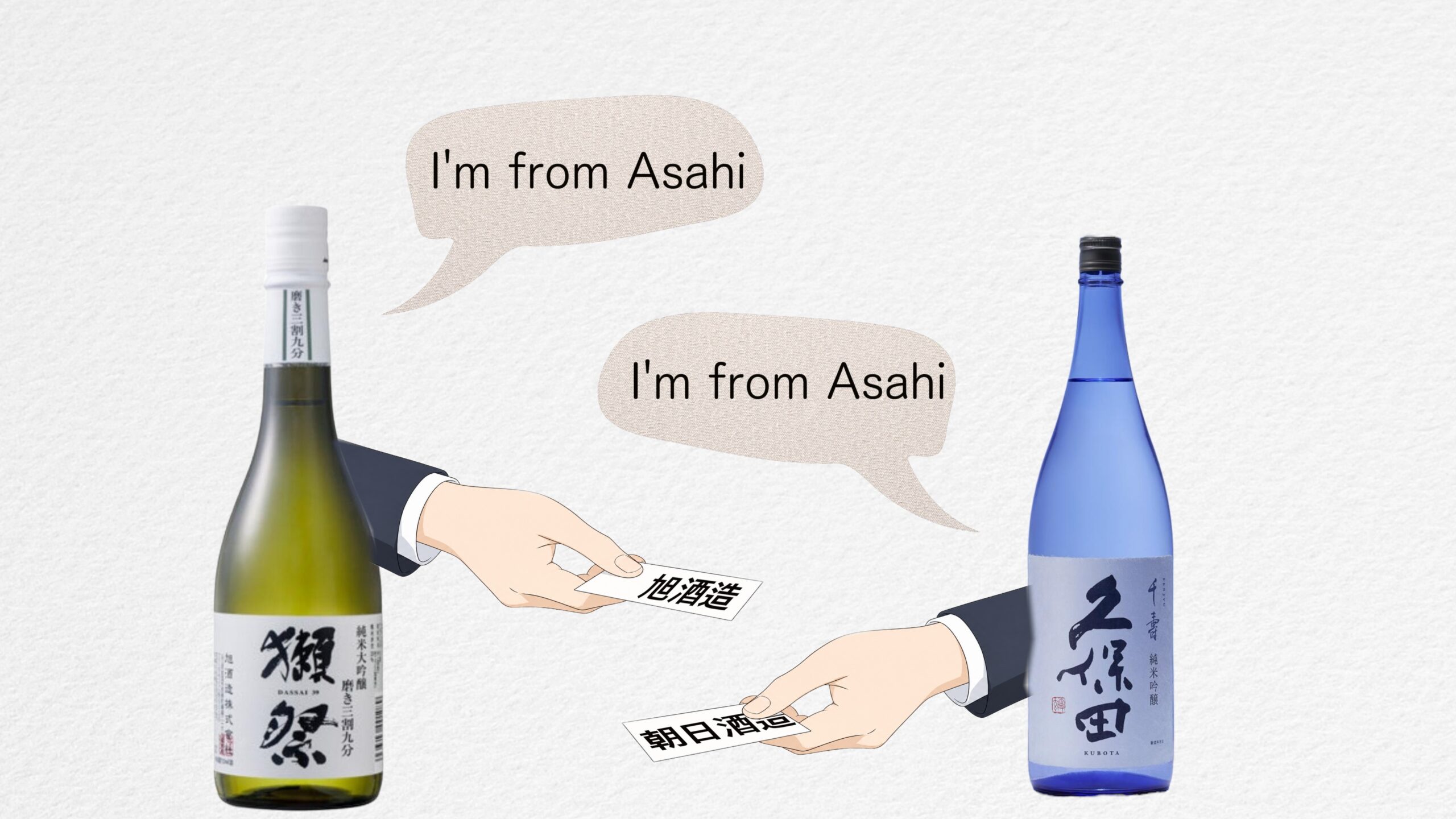
“Wait, isn’t DASSAI also made by Asahi Shuzo?”

Well… the pronunciation is the same, but the kanji are different.

DASSAI is made by Asahi Shuzo (旭酒造).

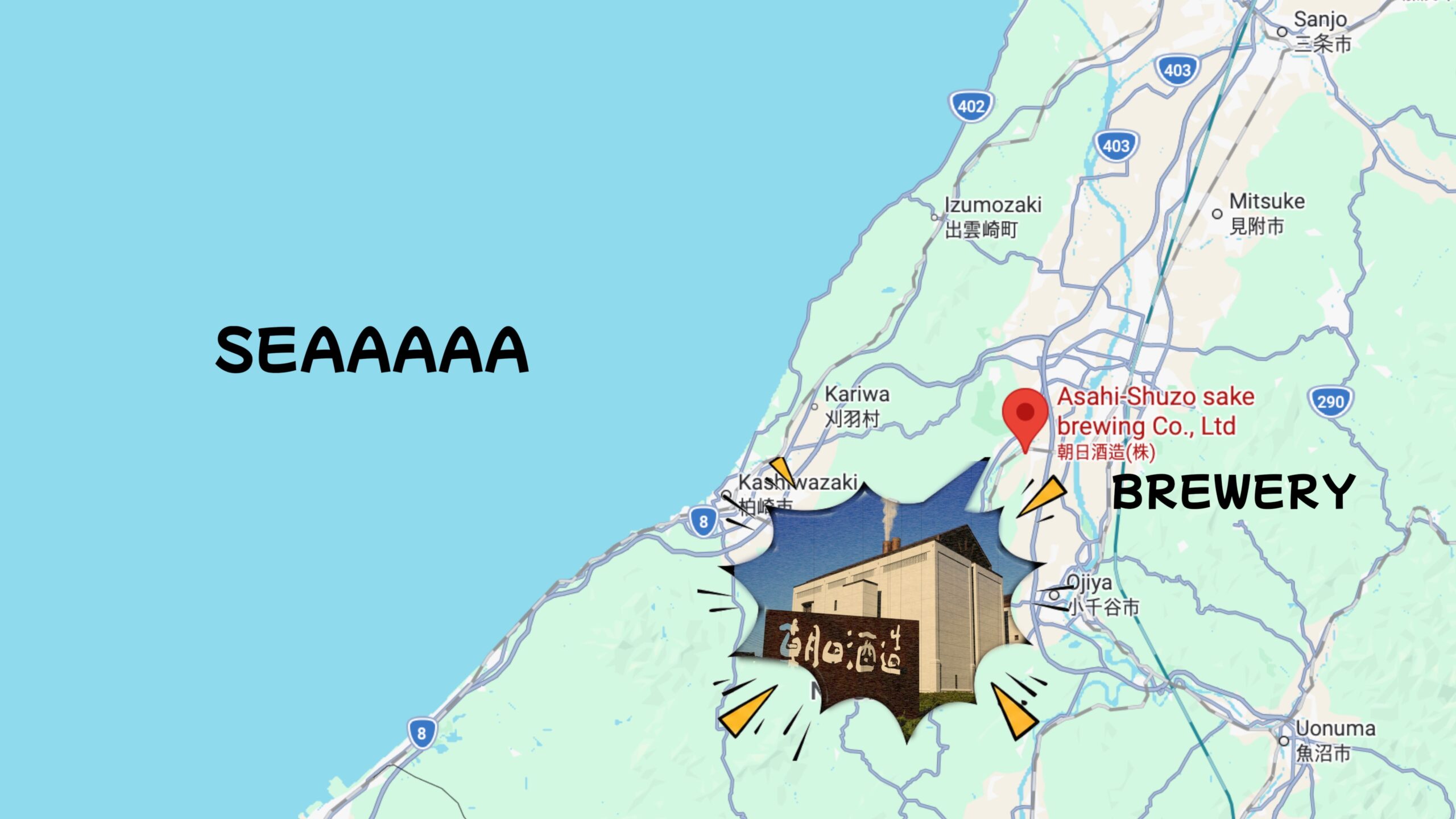
Kubota is made by Asahi Shuzo (朝日酒造), which was named after the area where the brewery is located.

And, just to make things more confusing, Asahi Shuzo (朝日酒造) has absolutely nothing to do with The Asahi Shimbun (朝日新聞).

Maybe Japanese people just really like the morning sun.

At least, that’s what one foreigner found himself thinking while writing this article.

From the Beginning of Asahi Shuzo to the Birth of Kubota

asahi brewery loca

The brewery that produces Kubota today, Asahi Shuzo, was founded in 1830 in Nagaoka City, Niigata Prefecture.

That makes it about 200 years old this year.

In other words, it has lived more than seven times longer than I have.

At the time, it wasn’t called Asahi Shuzo. The brewery produced sake under the name “Kubotaya.” It wasn’t until 1920 that the company changed its name to Asahi Shuzo.

Back then, there was no Kubota brand either. The brewery’s only lineup was a sake called Asahiyama.

For more than 150 years, Asahiyama was the sole brand that supported the brewery. However, in the 1980s, Asahi Shuzo, like many other breweries, faced the decline of the sake industry.

As wine, whisky, and beer grew in popularity, fewer people naturally chose sake.

Even within the sake market, the styles that began gaining popularity were aromatic sake such as Junmai Daiginjo and Junmai Ginjo.

As the era of Junmai Daiginjo arrived, traditional styles of sake—including futsushu, honjozo, and other classic types—had to find new ways to survive in the market.

It was a trend that many traditional breweries in Niigata could not avoid.

Asahi Shuzo had long operated under the philosophy of prioritizing quality over quantity, continuously investing in technology and focusing on improving quality.

The brewery established a dedicated sales organization, introduced enamel tanks in place of wooden vats, and was ahead of its time in developing low-alcohol junmai sake and sparkling sake.

Because of these efforts, even during the dramatic changes that swept through the sake market in the 1980s, Asahi Shuzo was able to ride the wave in its own way.

1985: The Birth of Kubota

As the economy grew, consumer preferences shifted toward higher-priced Junmai Daiginjo.

At the same time, people began favoring sake with a more delicate flavor profile rather than sake with strong alcohol character or intense flavors.

Around this period, Niigata’s signature style—Tanrei Karakuchi—began to emerge, made with the region’s soft water and rice.

Compared with the stronger, more robust sake styles that used less-polished rice and added brewing alcohol, Tanrei Karakuchi offered a lighter body and a gently dry finish.

It eventually became recognized as a sake style unique to Niigata.

And through outstanding quality and quick adaptation to market trends, Asahi Shuzo’s Kubota Senju and Kubota Hyakuju became two of Niigata’s representative examples of Tanrei Karakuchi sake.

When I need to explain Tanrei Karakuchi to someone who has never heard of it, I simply tell them to try Kubota Senju.

It’s the fastest and clearest way to understand the style.

So if someone ever asks you what Tanrei Karakuchi is, I recommend quietly handing them a glass of Kubota.

Closing Thoughts (My Opinion)

1

When it comes to the most famous sake in Korea, DASSAI and Kubota are probably the two names that come to mind first.

Among sake enthusiasts, there may be many other sake brands that are sought after more frequently, but for people who have only tried sake a few times, the DASSAI and Kubota series are among the most recognizable names.

They are also some of the sake brands you are most likely to find at duty-free shops and Don Quijote, and they are among the best-selling as well.

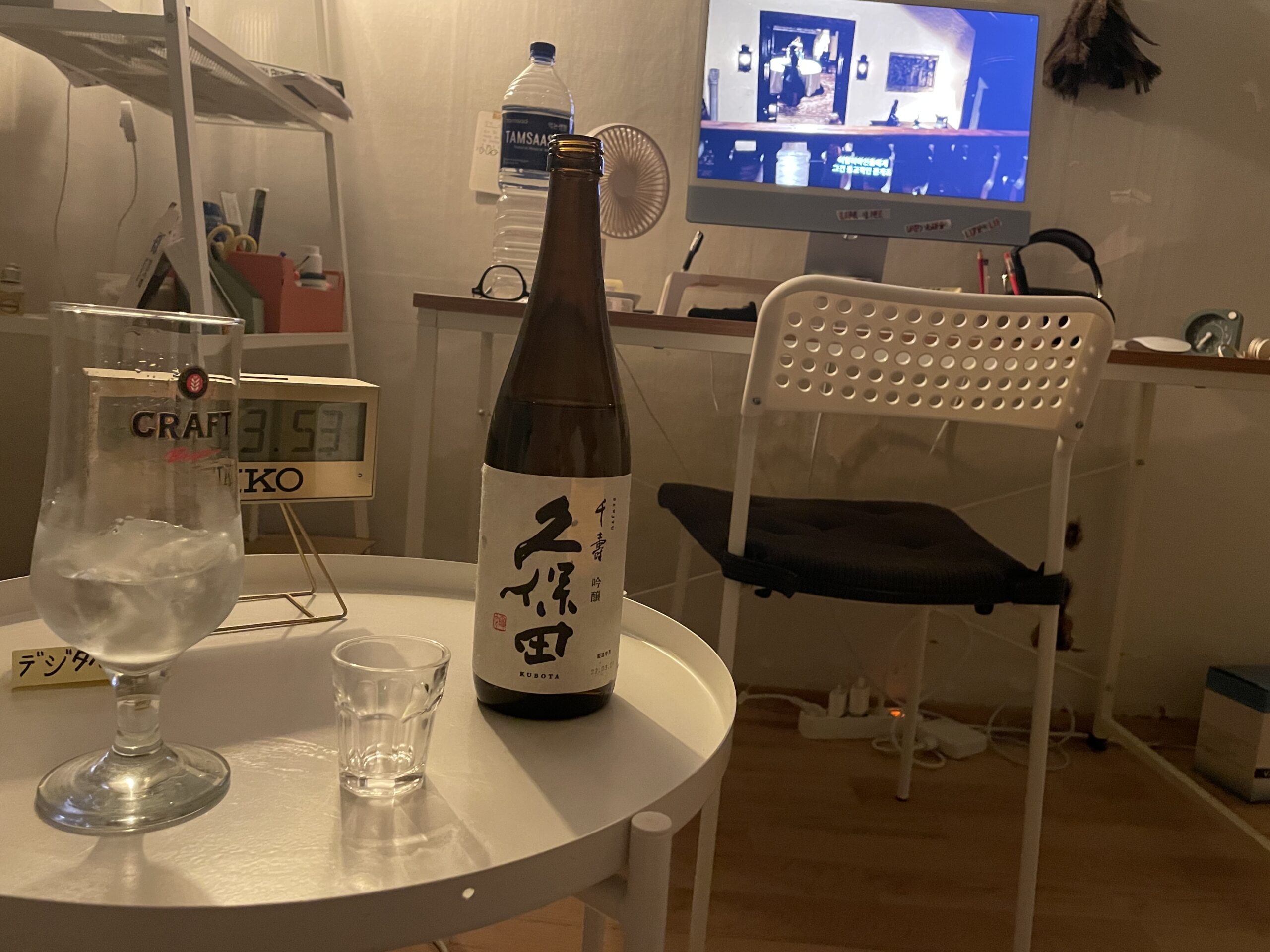
Back in 2022, when I first started drinking sake little by little, I remember sharing Kubota Senju with my friends after getting into sake through DASSAI.

Since it was everyone’s first time trying sake, they said it tasted exactly like what they imagined when they thought of “sake.”

img 3267

2

Back then in Korea, unless you went to a well-known liquor store, the only sake you could usually find in your neighborhood was DASSAI or Kubota. Occasionally, you might come across Otokoyama.

Awareness of sake itself wasn’t particularly high either.

Maybe I feel that way because I didn’t have many opportunities to explore sake at the time, but as far as I remember, about 95% of the products sold at local liquor stores were imported beer, wine, whisky, and cognac.

The remaining 5% consisted of Kubota, DASSAI, Ganbare Otousan (a carton sake that was actually more famous in Korea than in Japan), Sumo (carton sake), Hanayagu Junmai (carton sake), and Gekkeikan.

Most of the sake I drank during that period (2022–2023) happened to be well-made, solid examples such as Kubota and DASSAI, so I guess I was fortunate.

Because of that, I became the kind of sake drinker who could enjoy both karakuchi (dry) and amakuchi (sweet) styles without any resistance.

(That said, sake made with Kyokai No. 1 yeast is still a bit difficult for me.)
1kobo

3

I still drink DASSAI from time to time, but I haven’t had many opportunities to drink Kubota.

The reason is that DASSAI has personal meaning to me, and it’s also a sake that my wife enjoys. So even though I already know what it tastes like, I occasionally buy a bottle when I see one.

Kubota, on the other hand, doesn’t really have that kind of connection with my family.

Also, when it comes to mainstream sake brands, I tend to think of them as “sake I already know the taste of.” On top of that, there are always plenty of other bottles at sake shops that I want to try.

However, while researching for this article, I discovered something.

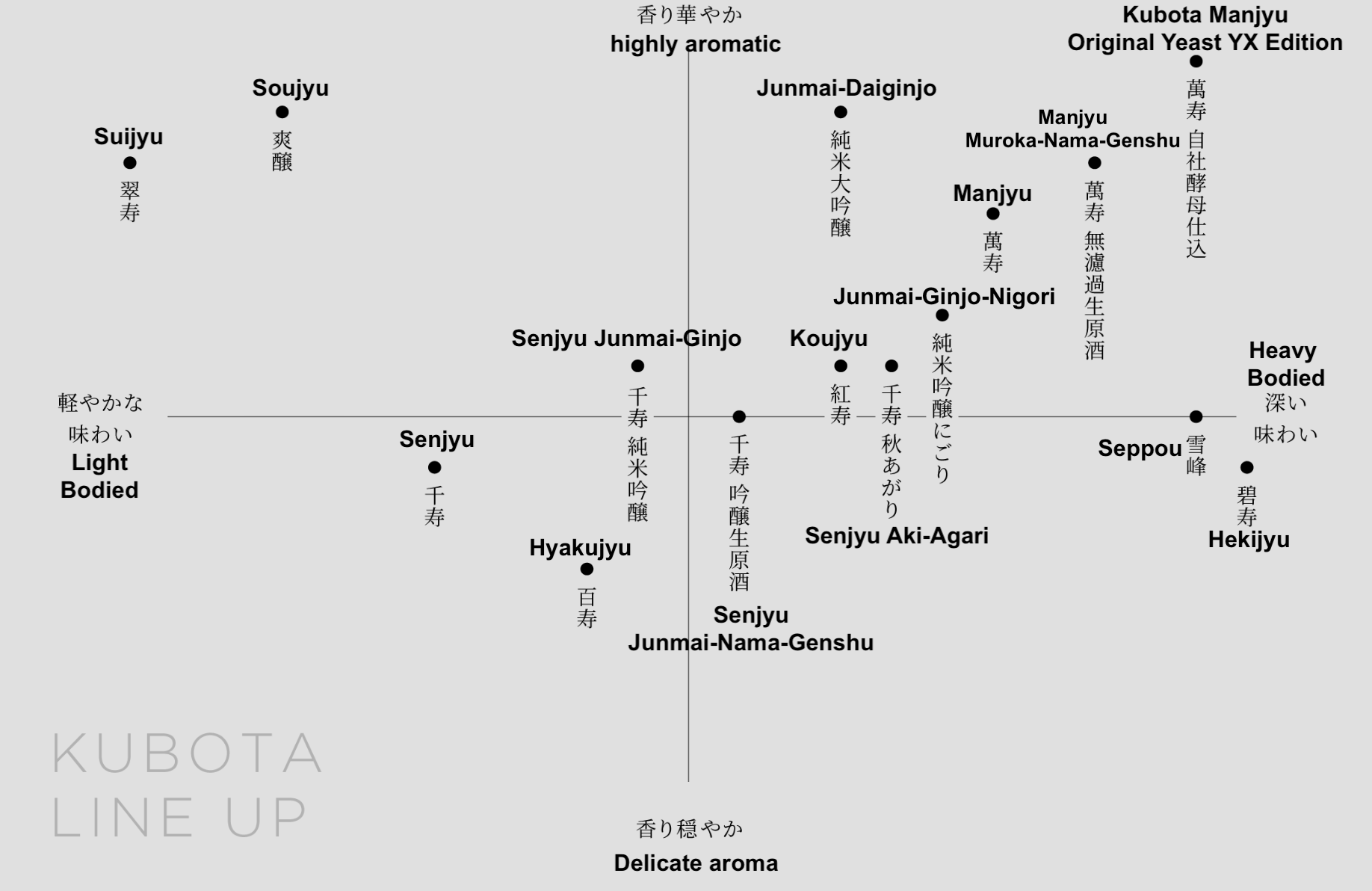
Kubota has an absurd number of different varieties.
영어

Up until now, the only ones I had really noticed were Senju, Manju, and the Junmai Daiginjo.

(I’m sure there were other labels I had seen before, but probably just passed by without paying much attention.)

But I only recently learned that there are even Manju variations such as Muroka Nama Genshu and a Manju fermented with the brewery’s own proprietary yeast.

Also, if you look on the right side, you’ll see Seppo (Snow Peak).

Apparently, this sake was created as a collaboration with the outdoor apparel and camping brand Snow Peak.

According to the official website, the recommended food pairing is barbecue.

If I happen to come across a bottle, I definitely want to give it a try.

I wonder if it would work just as well with yakiniku instead.

Sources:

https://www.asahi-shuzo.co.jp/global/en/meetkubota/

https://locally.matcha-jp.com/en/22309