
Fukushima is a place that almost anyone interested in Japan knows about. It was one of the regions that suffered the most damage during the Great Tohoku Earthquake in 2011.
After the nuclear power plant accident, the region developed a difficult reputation both inside and outside Japan. For nihonshu—where water is one of the most crucial elements—an event like that must have had a serious impact on the image of the brand.
In fact, it’s said that sales dropped 66% in the very month the earthquake occurred.
Yet about fifteen years later, Sharaku has become one of the representative sake of Fukushima. In sake bars, if a bottle is displayed, it’s often chosen by customers without much hesitation. It has also become one of the better-known sake among tourists.
So how did they go through that process and become this strong?
.
.
First of all, Sharaku was not originally a brand born at the brewery that produces it today, Miyaizumi Meijo.
It originally belonged to another brewery in the same region, Higashiyama Shuzo (東山酒造). After that brewery closed, Miyaizumi Meijo inherited the tradition of Sharaku and continued producing it.
As a result, the two main sake labels currently produced by Miyaizumi Meijo (宮泉銘醸) are Aizu Miyaizumi (會津宮泉)—which the brewery had already been making—and Sharaku (写楽). Both labels are now well known as representative sake from Fukushima.
(I haven’t tried Aizu Miyaizumi yet myself, so if I get the chance, I’d really like to do a nomikurabe—a side-by-side tasting.)
Miyaizumi Meijo’s version of Sharaku was born in 2008, and from the very year it debuted it gained major attention, winning prizes at the Sendai Sake Competition and other international contests.
After gaining recognition from the start, Sharaku faced a historic moment three years later.
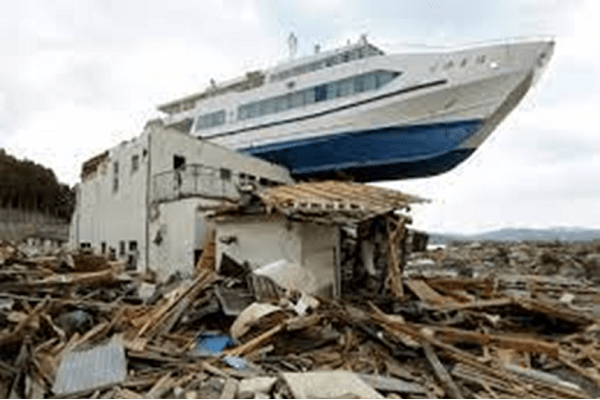
On March 11, 2011, the massive earthquake struck the Tohoku region.
At the time, the fourth-generation head of the brewery, Yoshihiro Miyamori (宮泉義弘), was in Miyagi Prefecture visiting a colleague’s warehouse. After checking into his hotel, he felt the earthquake. He fled to higher ground and watched in shock as the tsunami swept across the landscape.
He tried calling the brewery, but no one answered.
What happened in Fukushima afterward is something the world already knows.
Aftershocks continued. People feared another tsunami. On top of that, the nuclear power plant accident created deep concern and distrust toward anything produced in Fukushima. For the brewery, this became a serious challenge they had to overcome.
Despite the continuing aftershocks, Miyamori got behind the wheel and drove through the night.
His destination was the brewery.
When he arrived, what he saw were hundreds of broken bottles of sake. The scene—similar to many other stories from breweries in the region—looked almost impossible to recover from.
Looking back on that time, Miyamori said:
“The only thing we could do was the best thing available to us at that moment—
to make the most delicious sake possible.”
With a determination not to give up, Miyaizumi Meijo produced sake as if making a final stand.
And in the very same year as the disaster, they won first place at the Sendai Nihonshu Competition.
The awards and praise they received at that time helped greatly in their recovery after the earthquake.
While rebuilding Sharaku, many of the brewery’s long-time workers and key staff members left. And on top of that, one of the largest earthquakes in Japanese history struck their brewery.
Yet there is an irony in this story.
Before the earthquake, Sharaku had achieved 3rd place.
After the earthquake, it achieved 1st place.
That is one of the reasons I decided to buy a sake from Fukushima—and Sharaku in particular.
.
.
The second reason is simpler.
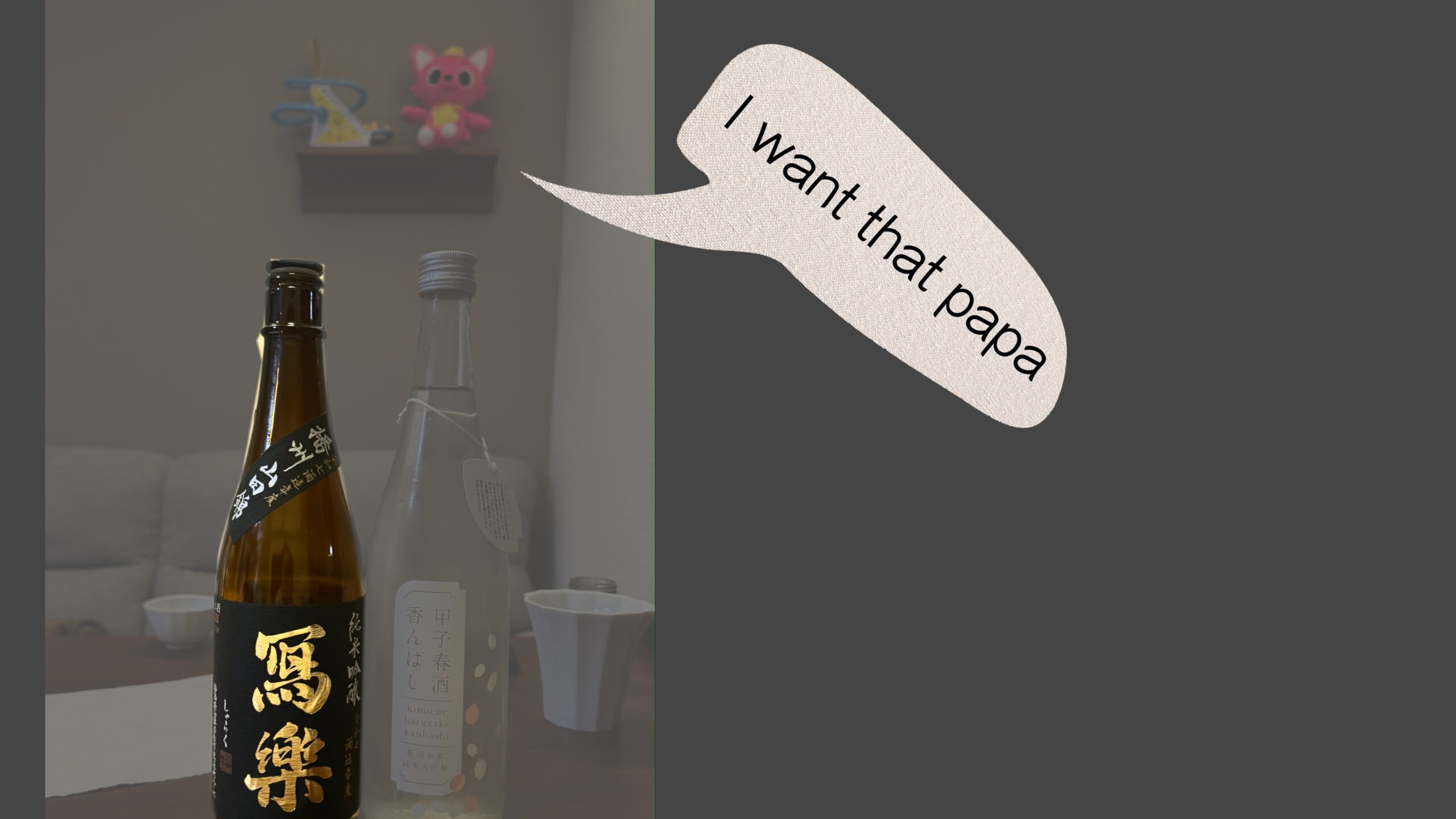
I believe I had tried the black-label Sharaku Banshu Yamadanishiki (写楽 播州山田錦) before at a sake bar. But at sake bars, you usually drink until you’re fairly tipsy, so I couldn’t remember the details clearly.
This was the first time I drank it from a full bottle.
And every time I drink sake this way, I’m reminded that if you really want to analyze a sake—or simply enjoy it more deeply—drinking it at home from a bottle is probably the best way.
Miyaizumi Meijo mainly uses rice grown in the region where the brewery is located. When they use rice from outside the prefecture, they tend to use rice from regions famous for shuzō kōtekimai (sake-brewing rice), such as Banshu in Hyogo or Bizen in Okayama.
The Sharaku I drank this time used rice from Banshu in Hyogo Prefecture.
When people hear “Bizen,” they often think of Omachi rice.
And when they hear “Banshu,” they think of Yamadanishiki.
After tasting it, I could understand why the label specifically highlights “Banshu Yamadanishiki.” It was a sake that matched both my taste and my wife’s preferences almost perfectly.
Drinking a sake you’ve never had from a full bottle is always an exciting and enjoyable experience.
The Sharaku that began this way gradually incorporated the brewing know-how of Miyaizumi Meijo (宮泉銘醸) and eventually rose to become the brewery’s main representative sake.
Behind that success, however, there’s an interesting story.
Before Yoshihiro Miyamori, the current fourth-generation head of the brewery, returned after finishing his studies, he had time to travel around Japan and taste many different sake. Among them, one sake left a particularly strong impression on him: Hiroki (飛露喜), a nihonshu from the same region.
Sharaku is said to have been inspired in part by that experience.
Today, the two have become rivals with similar levels of recognition within Fukushima.
Kenji Hiroki, the head of the Hiroki brewery, once said this about Miyaizumi Meijo:

So if you ever come across Sharaku at a sake shop, I recommend checking carefully to see whether Hiroki is sitting nearby on the shelf as well.
And if you do find both, try buying them together and comparing them.
Understanding the differences between two sake that have grown while stimulating each other may become another small joy in your journey of drinking and appreciating nihonshu.