


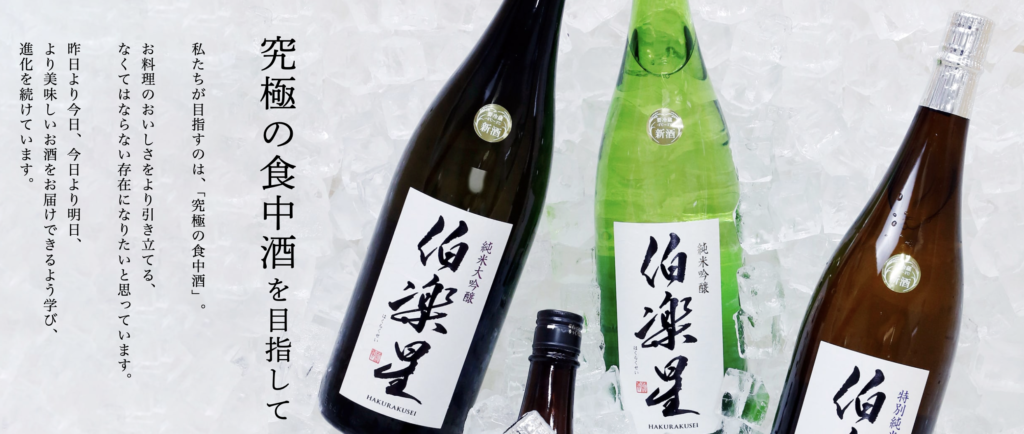
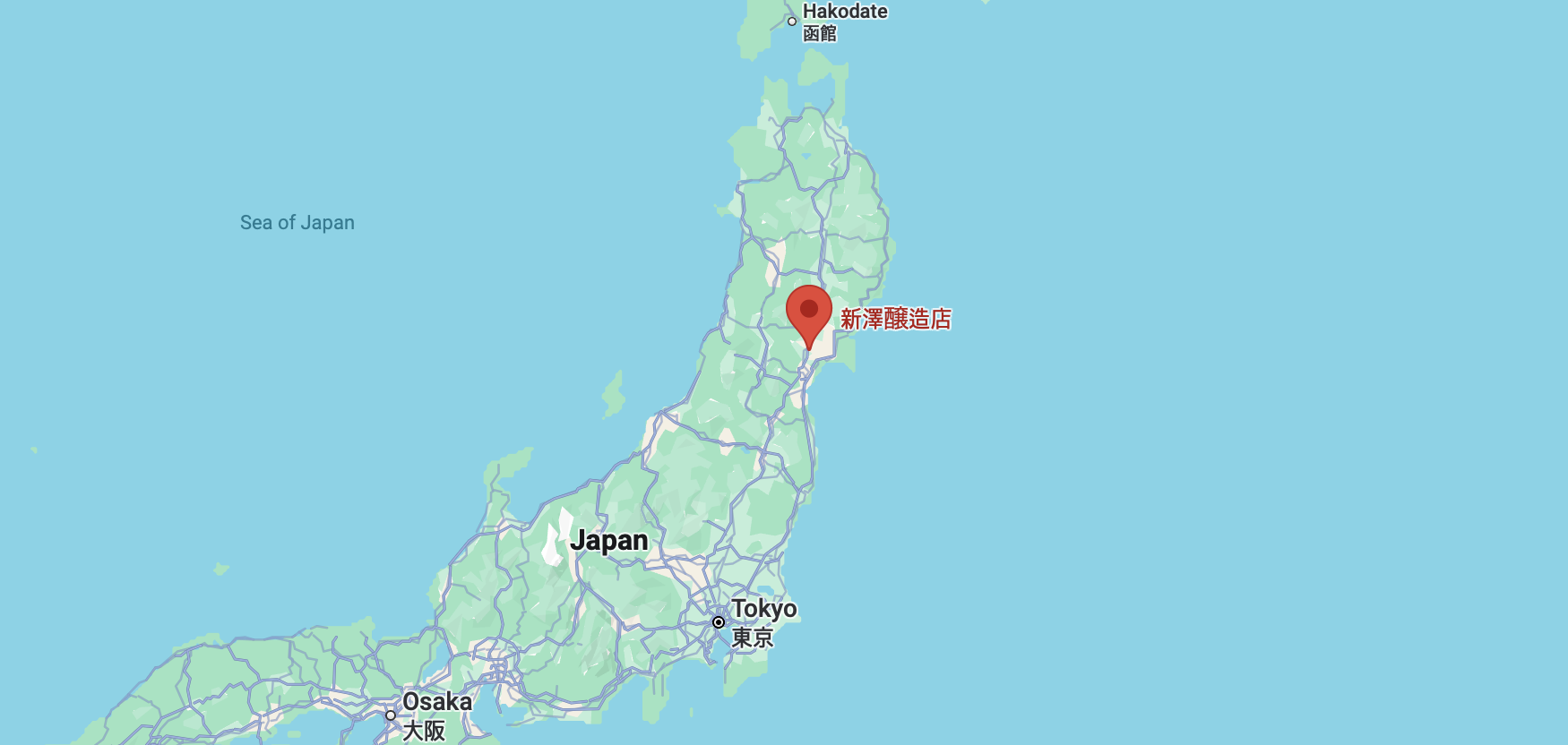
Niizawa Brewery considers Hakurakusei to be the “ultimate food-pairing sake.”
To achieve that ideal, they continue to invest both time and resources into refining their brewing.
A food-pairing sake is, simply put, a sake meant to be enjoyed alongside a meal. There can be many interpretations, but in the world of nihonshu, a truly good food-pairing sake is one that does not interfere with the flavor of the dish. Instead, it brings out the hidden potential of the food itself.
From the very beginning, Hakurakusei was created with this purpose in mind. It was born to be a sake that supports the food without overpowering it, allowing the person drinking it to naturally and easily sense the full character of the dish.
Curious about what an “ultimate food-pairing sake” might actually mean, I first tried Hakurakusei twice through direct import when I was living in Korea.
Buying it that way meant paying nearly twice the local price. Naturally, that raised my expectations, and it made me question more critically whether the sake truly lived up to the values the brewery claimed.
Even with that higher threshold in mind, Hakurakusei made its intention clear from the very first sip. It was easy to understand why it aimed to be the ultimate food-pairing sake—and how it had come to be recognized as one.
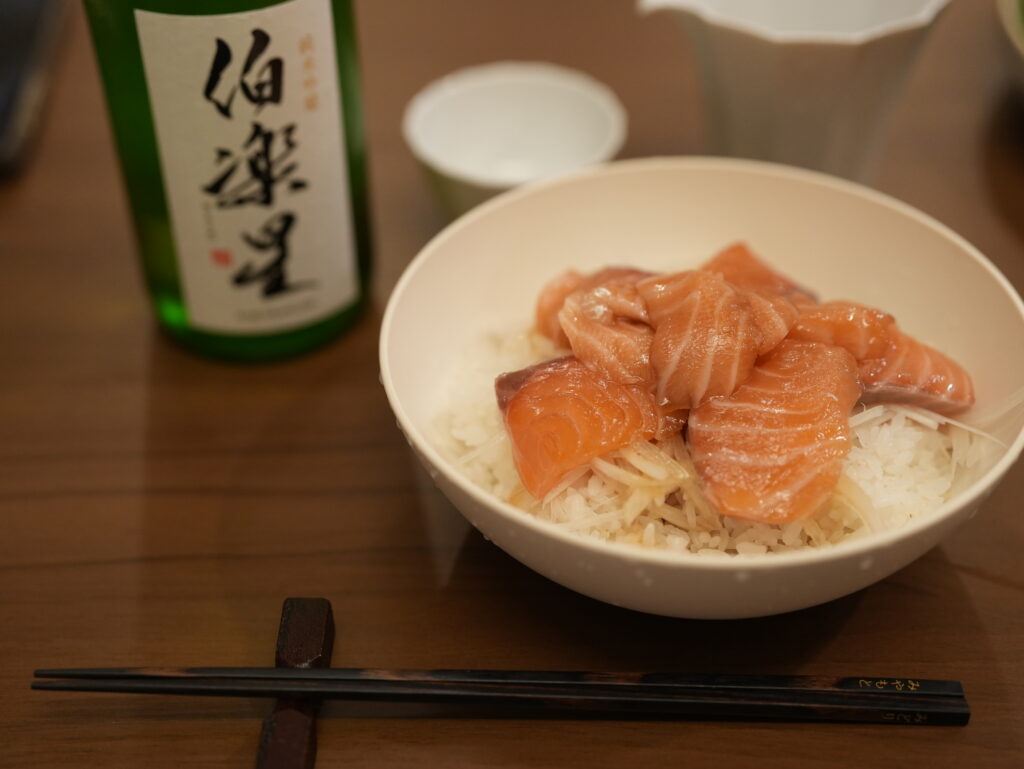
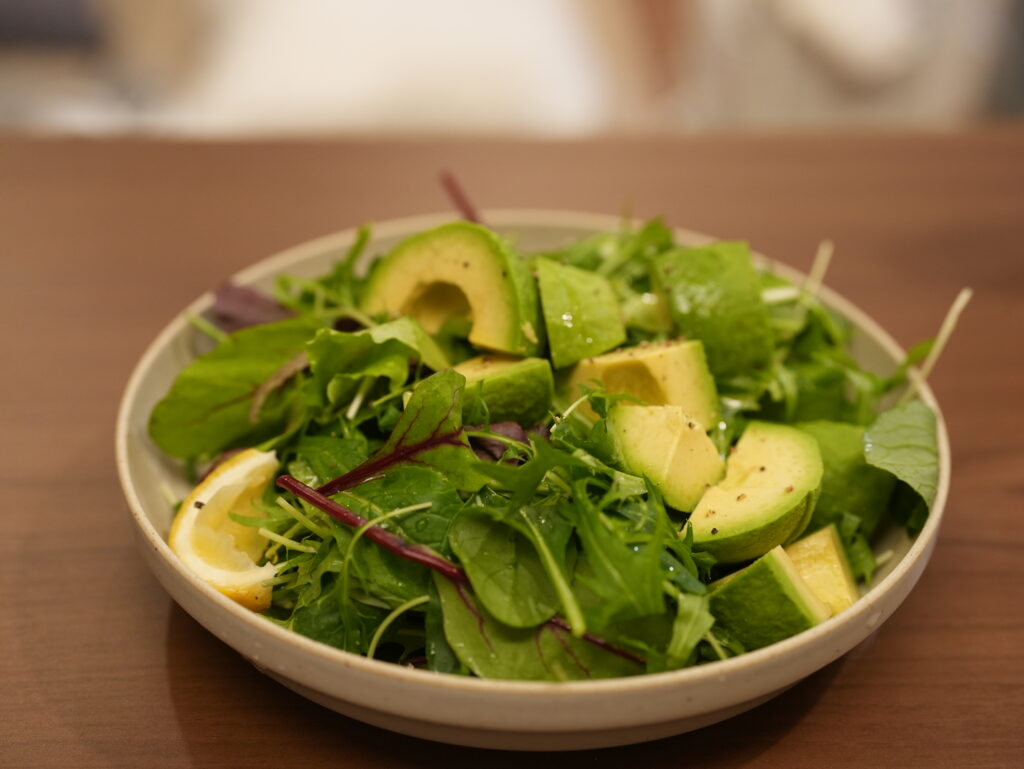
While writing this article, I once again tried Hakurakusei with a variety of dishes.
It paired naturally with everything I prepared.
Avocado salad, salmon rice bowl, and even taco rice.
With the salad, the sake lifted not only the freshness of the vegetables but also their slight bitterness and aroma, while allowing the umami of the avocado to come through clearly. After finishing a bite of the vegetables and taking a sip, the lingering aromas of the greens and avocado rose again in the mouth, creating a moment where the food could be enjoyed once more.
At that moment, I felt that this was exactly what Hakurakusei, designed from the beginning as a food-pairing sake, was meant to express.
Since ancient times, people have been drawn to stories where the protagonist overcomes hardship and ultimately rises again.
Most heroic tales follow this structure, and it is also why people are fascinated by the stories of those who succeed.
Niizawa Brewery shares a similar story.
Iwao Niizawa, the fifth-generation head who began under a mountain of debt, created Hakurakusei and brought the brewery’s name to sake drinkers across Japan. Eventually, all debts were repaid.
Then came the earthquake—something no one could stop, and no one could prevent—bringing hardship once again.
“We lost our history to the earthquake. We lost the brewery. Only people remained, and through that, we discovered that we were not as weak as we thought.”
These were Niizawa’s words in a promotional video, recalling the 2011 disaster (around the 2 minute and 10 second mark).
Words carry weight when spoken by someone who has endured hardship.
And I believe the sake made by such a person carries a certain strength as well. Only after drinking it did I fully understand what they meant by the phrase “ultimate food-pairing sake.”
The third time I drank Hakurakusei became another good memory—one where delicious food simply tasted even better.
…
Hakurakusei is a sake that rose again after hardship, but it is also the result of a brewery that succeeded in turning its ideal into reality.
With a moderate alcohol level of 15%, a clean and balanced profile, and a first impression that immediately communicates its role as a well-crafted food-pairing sake, it leaves a quiet but lasting appeal.
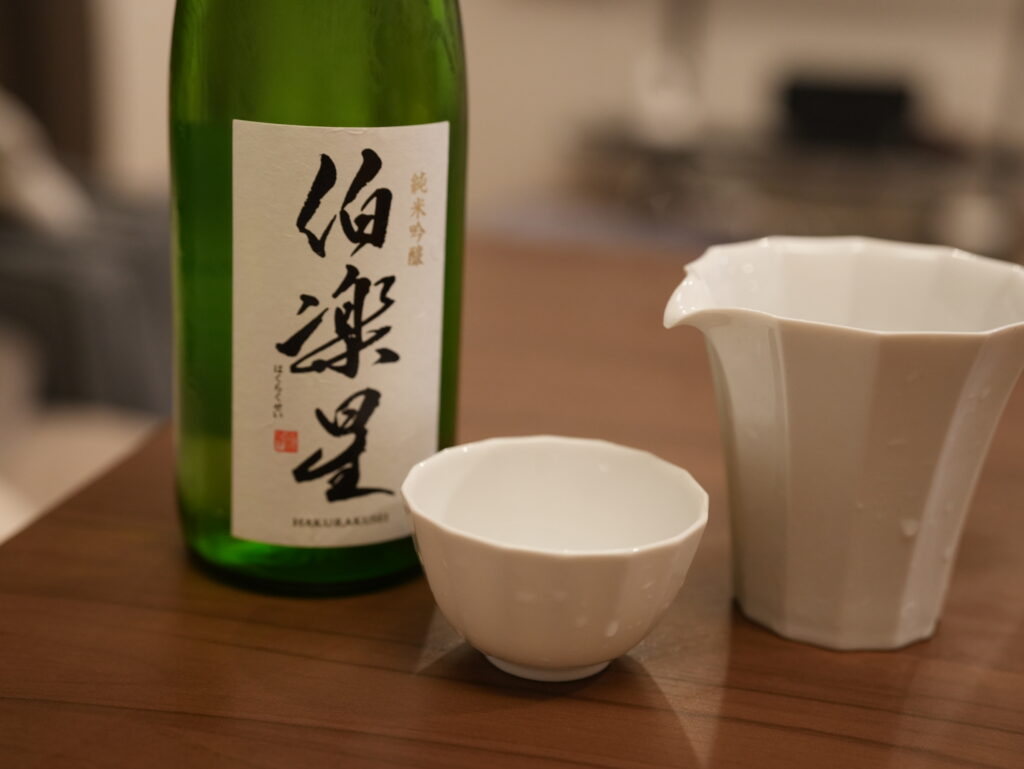
The bottle of Hakurakusei Junmai Ginjo I drank this time was purchased at Todoroki Saketen in Fukuoka. It is a shop that carries many of the sake I personally enjoy, and it made me appreciate once again how fortunate it is to have such a good sake store nearby.
Source:
https://www.skurnik.com/iwao-niizawa-quiet-revolutionary-of-the-sake-world/
https://niizawa-brewery.co.jp/en/about_en/
https://sakestreet.com/en/media/sakagura-niizawa-brewery-miyagi